Google Re-releases Pixel App Lock Feature Alongside Samsung Galaxy Debut
Google has officially re-released the App Lock feature for Pixel devices, coinciding with its debut on Samsung Galaxy phones via One UI 9.5 beta. The tool allows users to hide apps behind biometric or PIN authentication, securing notifications and AI data access. While Samsung users gain immediate access, Pixel owners must wait for the Android 17 QPR3 Beta 3 stable release expected in early 2027.
Key points
- Google has officially re-released the App Lock feature for Pixel devices, which was previously removed from earlier beta builds for further testing and integration improvements.
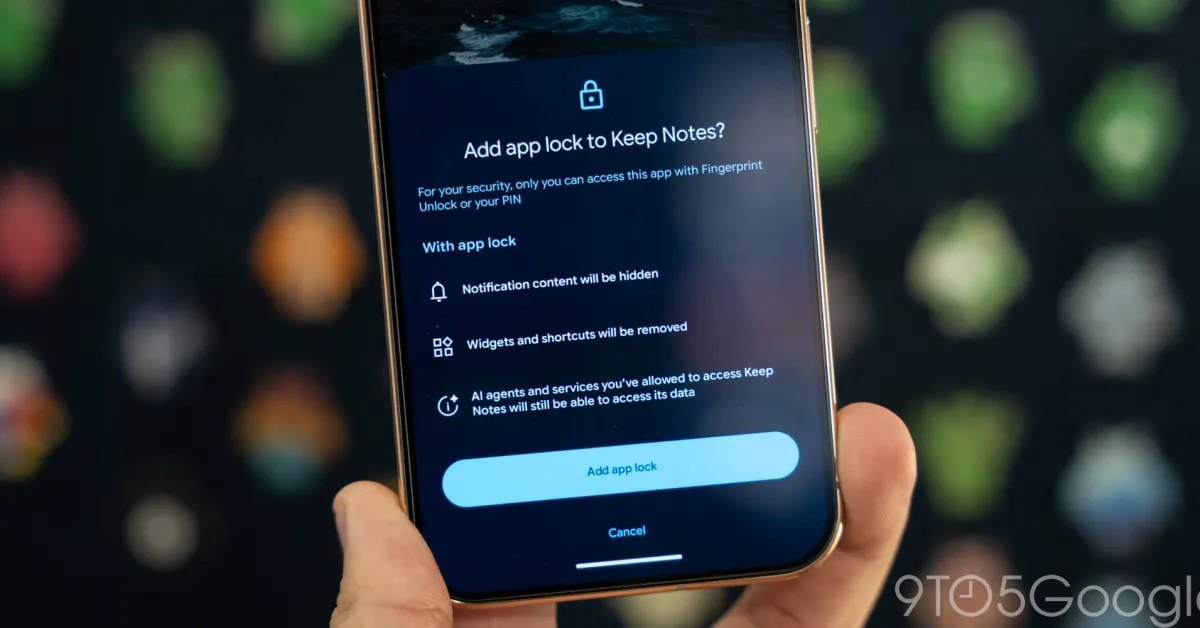
- The feature allows users to hide specific apps behind biometric or PIN authentication, preventing unauthorized access to notifications, widgets, and AI service data.
- Samsung Galaxy devices running the One UI 9.5 beta now support App Lock, as the feature is built into the underlying Android 17 QPR2 framework.
- Google Pixel users must wait for the Android 17 QPR3 Beta 3 stable update, projected for release in early 2027, to access the functionality.
- Users can currently access the feature by long-pressing an app icon and adding it to the app lock list, pending the stable software update.
Privacy Feature Returns to Android Ecosystem
Google has officially re-released the App Lock feature for its Pixel devices, marking a significant step in the company's ongoing efforts to enhance user privacy on Android. This release coincides with the debut of the same functionality on Samsung Galaxy devices, highlighting a growing industry standard for app-level security controls. The feature, which allows users to restrict access to specific applications, was initially introduced in an August build of the Android 17 QPR2 beta but was subsequently removed before its full public launch.
Rationale Behind the Delay
The temporary removal of App Lock from earlier beta versions was not due to technical failure but rather a strategic decision to improve the feature's robustness. According to a post by Google’s Community Engagement Manager on Reddit, the product team decided to pull back the feature from the QPR2 Beta to allow for additional polish, thorough testing, and robust integration across all system surfaces. This pause ensured that the security layer would function seamlessly with other Android components, particularly regarding how AI services interact with user data.
Samsung Galaxy Integration
While Pixel users wait for their specific update, Samsung Galaxy devices running the One UI 9.5 beta now offer App Lock. This availability is possible because the feature is built into the Android 17 QPR2 framework, which serves as the foundation for One UI 9.5. Consequently, Samsung users can immediately utilize the app-hiding and authentication capabilities, whereas Google Pixel devices are scheduled to receive the feature in a later software cycle. This divergence in release timelines underscores the varying pace of manufacturer-specific updates versus Google's direct Android releases.
How App Lock Works
The App Lock feature provides a comprehensive privacy shield by requiring biometric or PIN authentication to open designated applications. Beyond simple app access, it also hides notifications and widgets associated with locked apps, ensuring that sensitive information does not appear on the lock screen or in notification panels. Furthermore, the feature restricts data access from AI services, preventing machine learning models from processing information within locked applications. This multi-layered approach addresses growing consumer concerns about data privacy and unauthorized access to personal communications.
Future Availability for Pixel Users
For Google Pixel owners, the App Lock feature will become available through the Android 17 QPR3 Beta 3 update. This stable release is projected for launch in early 2027, indicating a longer wait time for Pixel users compared to those on Samsung devices. The delay allows Google to ensure that the feature is fully integrated and stable before its widespread deployment. Users can anticipate that once the update is released, the functionality will be accessible through the standard interface, maintaining consistency with the implementation on other Android devices.
User Access and Implementation
Currently, users can access the App Lock functionality by long-pressing on an app icon and adding it to the app lock list. This intuitive method of activation simplifies the process of securing individual applications, allowing users to quickly tailor their privacy settings. The feature’s design emphasizes ease of use, ensuring that privacy controls are accessible without requiring complex navigation or technical knowledge. As the stable release approaches, Pixel users can expect a seamless transition to the new security capabilities.
Key takeaways
- Google has re-released App Lock for Pixel devices after removing it from earlier beta builds for further testing.
- Samsung Galaxy devices running One UI 9.5 beta now support App Lock, built into the Android 17 QPR2 framework.
- The feature hides apps behind biometric or PIN authentication, securing notifications, widgets, and AI data access.
- Pixel users must wait for the Android 17 QPR3 Beta 3 stable update, expected in early 2027, to access the feature.
- Users can activate App Lock by long-pressing an app icon and adding it to the app lock list.
Sources
The WireByte editorial team synthesises technology news from multiple primary sources, verifies the facts, and links every source. Articles are produced with AI assistance and reviewed under our editorial policy.