Google Pixel US Market Share Doubles in Q3 2026 Despite Year-Over-Year Decline
Counterpoint Research data reveals Google Pixel’s US smartphone market share doubled from 3% to 6% in Q3 2026 following the August Pixel 11 launch. However, this quarterly gain remains below the 7% share held in Q3 2025. Apple dominated with 57% share, while Samsung and Motorola slipped, as the overall US smartphone market declined 9% year-over-year.
Key points
- Google Pixel’s US shipment market share doubled from 3% in Q2 2026 to 6% in Q3 2026, driven by the August release of the Pixel 11 series.
- Despite the quarterly surge, Google’s 6% share remains below the 7% it held in Q3 2025, keeping it in fourth place behind Apple, Samsung, and Motorola.
- Apple maintained market dominance with a 57% share in Q3 2026, up from 50% in the prior year, while the overall US smartphone market declined 9% year-over-year.
- Samsung held 25% market share, up 1% from the previous year, likely aided by the successful launch of the Galaxy Fold 8, while Motorola shrank from 12% to 8%.
- Counterpoint Research noted that while Pixel shipments were weaker year-over-year, the brand remains aggressive in postpaid carrier channels, supporting its recent growth.
Q3 2026 Market Dynamics
The United States smartphone market experienced significant shifts in the third quarter of 2026, characterized by a broad contraction in overall shipments and a reshuffling of market shares among major manufacturers. According to the latest data from Counterpoint Research, the total US smartphone market declined by 9% year-over-year. This downturn created a challenging environment for all vendors, yet Google’s Pixel brand managed to secure a notable quarterly victory that contrasts with its longer-term performance trends.
Pixel 11 Launch Impact
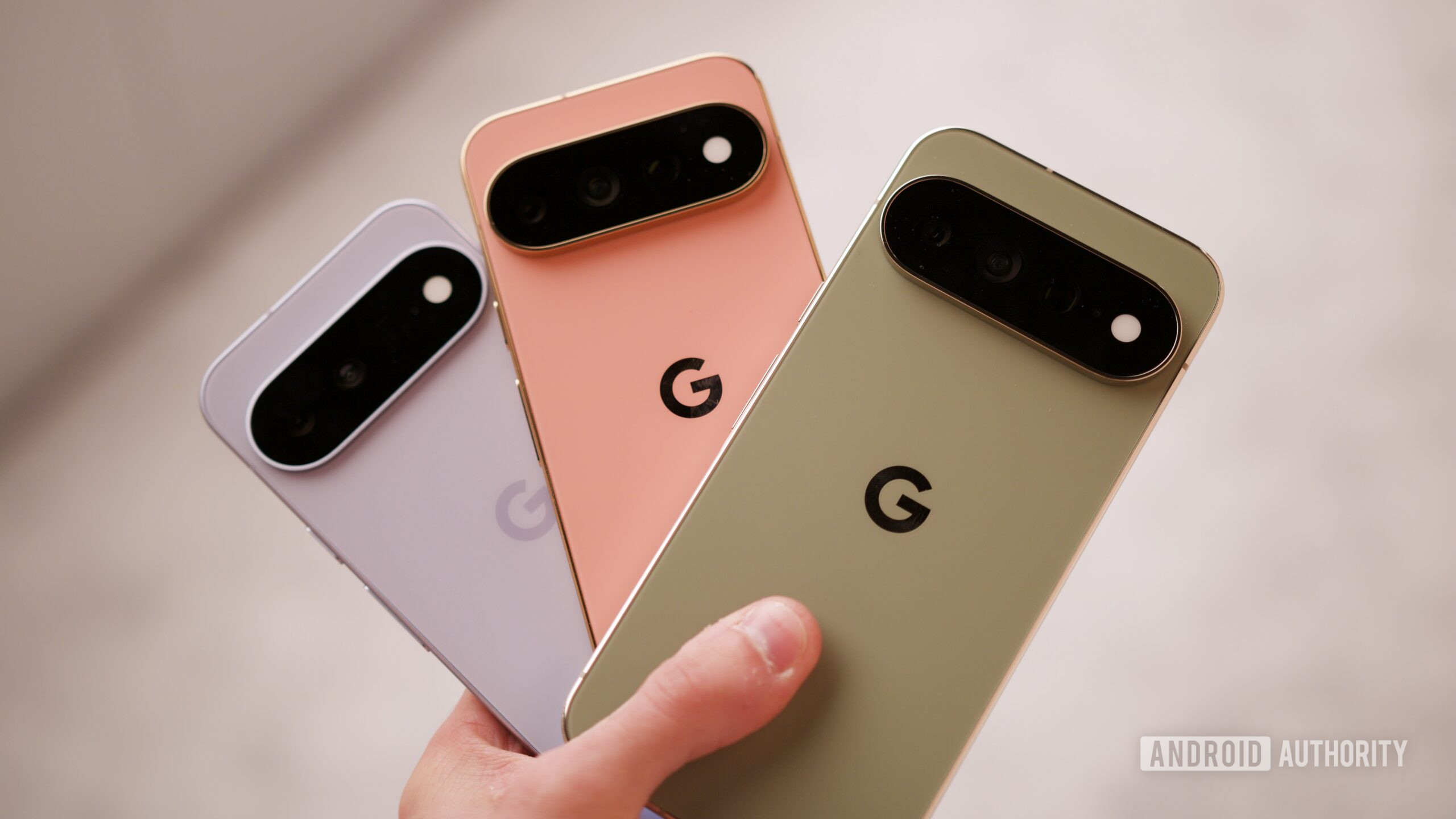
Google’s entry into the Q3 2026 market was defined by the August release of the Pixel 11 series. This launch window proved critical for the company, as it facilitated a dramatic doubling of its US shipment market share from 3% in the second quarter to 6% in the third. The Pixel 11 series, which includes the standard Pixel 11, Pixel 11 Pro, Pixel 11 Pro XL, and the newly introduced Pixel 11 Pro Fold, served as a primary catalyst for this growth. However, industry analysts noted that the launch itself was not particularly exciting compared to previous generations, and prices for the devices rose relative to their predecessors, which may have tempered broader consumer enthusiasm.
Competitive Landscape
While Google achieved strong quarterly growth, it failed to reclaim the position it held a year earlier. In Q3 2025, Google held a 7% market share, meaning the current 6% figure represents a year-over-year decline. Consequently, Google remains in fourth place in the US market. The company’s performance has been mixed over the last year; while Q3 2026 showed strong quarterly gains, Q2 2026 saw a 1% year-over-year increase, and Q1 2025 also showed growth compared to the prior year. Counterpoint Research highlighted that Pixel shipments were weaker year-over-year, but the brand remains aggressive in postpaid carrier channels, which has helped stabilize its presence.
Apple’s Dominance
Apple continued to dominate the US smartphone landscape in Q3 2026, capturing a commanding 57% market share. This figure represents a significant increase from the 50% share Apple held during the same period in 2025. Apple’s ability to grow its share while the overall market contracted underscores its strong brand loyalty and premium positioning. The tech giant’s performance highlights the polarization of the market, where Apple’s share expands even as competitors struggle to maintain volume.
Samsung and Motorola Trends
Samsung, the second-largest player in the US market, held a 25% share in Q3 2026, an increase of 1% from the previous year. This growth is attributed largely to the successful launch of the Galaxy Fold 8 during the quarter, which drove consumer interest in the premium foldable segment. In contrast, Motorola experienced a significant decline, shrinking from a 12% share in Q3 2025 to 8% in Q3 2026. This contraction reflects broader challenges for mid-range Android manufacturers in a tightening market.
Future Outlook and Pricing
The market dynamics observed in Q3 2026 are expected to influence pricing strategies as the holiday season approaches. Retailers have already begun promoting significant discounts on Google devices, with Black Friday sales offering up to $400 off on Pixel 11 models and $100 off on Pixel Watch 5 models. These promotions suggest that while Google achieved volume growth, maintaining momentum may require aggressive pricing incentives. As the year concludes, the focus will remain on whether Google can sustain its quarterly gains and whether Apple’s dominance will continue to widen at the expense of other Android vendors.
Key takeaways
- Google Pixel’s US market share doubled from 3% to 6% in Q3 2026 following the Pixel 11 launch.
- Apple dominated the market with 57% share, up from 50% in Q3 2025, while overall shipments fell 9%.
- Samsung’s share rose to 25% due to the Galaxy Fold 8, while Motorola’s share dropped to 8%.
- Google’s 6% share remains below the 7% held in Q3 2025, keeping it in fourth place.
- Counterpoint Research notes Pixel’s weakness year-over-year but highlights its strong postpaid carrier strategy.
Sources
The WireByte editorial team synthesises technology news from multiple primary sources, verifies the facts, and links every source. Articles are produced with AI assistance and reviewed under our editorial policy.