Google Pixel Tag Launches With Bluetooth 6.0 Requirements
Google has released the Pixel Tag Bluetooth tracker, priced at $25 per unit or $100 for a four-pack. The device requires Android 9.0+ and Bluetooth 6.0+ for full functionality. Only 2025 and 2026 smartphone models support the latest Bluetooth standard, limiting advanced features on older devices.
Key points
- Google has officially released the Pixel Tag, a Bluetooth item tracker available for $25 individually or $100 in a four-pack.
- The device requires Android 9.0 or higher and Bluetooth 6.0 or higher to access its full suite of tracking features.
- Bluetooth 6.0 support is currently limited to specific 2025 and 2026 smartphone models, including the Samsung Galaxy S26 series and Google Pixel 10 and 11 series.
- Older Android devices lacking Bluetooth 6.0 will experience diminished functionality, restricting access to the tracker's best features.
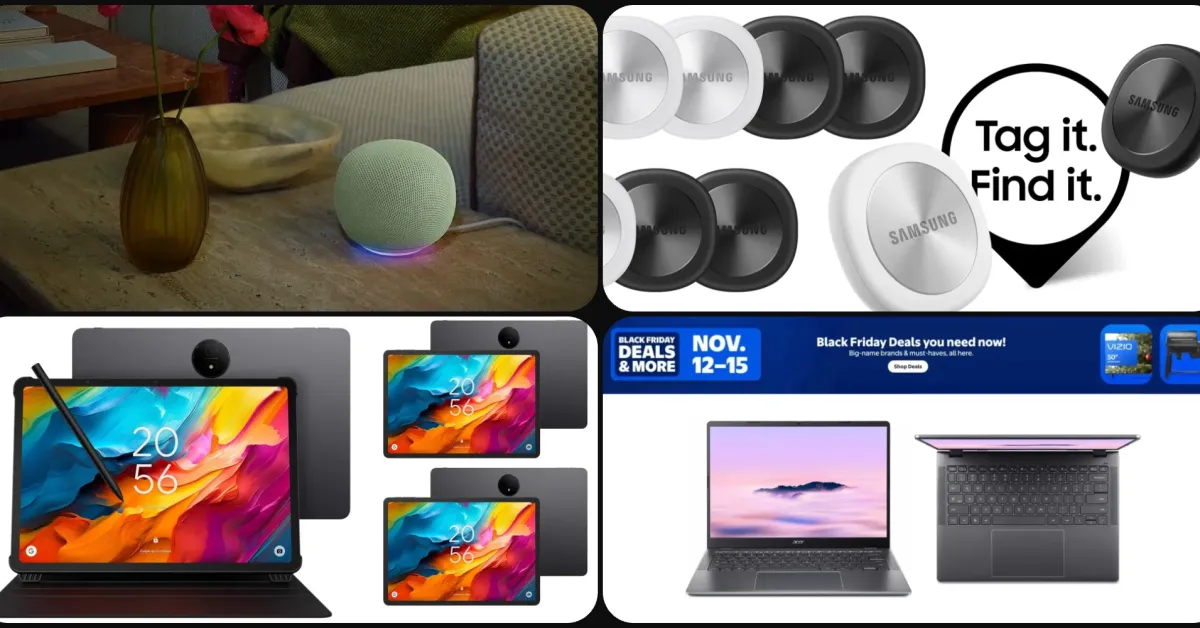
- Early Black Friday promotions have made the Pixel Tag and competing Samsung Galaxy SmartTag 3 available at discounted prices from major retailers.
Google Pixel Tag Officially Enters the Market
Google has officially launched the Pixel Tag, its dedicated Bluetooth item tracker designed for the Android ecosystem. Following its initial announcement during the Google I/O developer conference in August, the device is now available for purchase through the Google Store and Amazon. The pricing structure positions the tracker as an accessible option for consumers, with a single unit priced at $29.99, though promotional pricing currently lists it at $30. For users seeking multiple trackers, a four-pack is available for $99.99, effectively reducing the cost to $25 per unit. This release marks Google's entry into a competitive market previously dominated by Apple's AirTag and Samsung's SmartTag.
Strict Hardware Requirements Limit Compatibility
While the Pixel Tag is now available, Google has issued specific footnotes detailing significant hardware requirements that may limit its utility for a large segment of Android users. To access the tracker's full feature set, users must utilize a device running Android 9.0 or higher paired with Bluetooth 6.0 or higher. This creates a notable barrier for many existing smartphone owners, as Bluetooth 6.0 is a very recent standard. Smartphones began shipping with Bluetooth 6.0 support in 2025, meaning the vast majority of currently active Android devices do not meet this criterion.
Specific Models Support Advanced Features
The list of compatible devices is currently narrow, restricted to specific models released in 2025 and 2026. For Samsung, compatibility includes the Galaxy S26 Plus, Galaxy S26 Ultra, Galaxy Z Fold8, and Galaxy Z Fold8 Ultra. Google's own devices include the Pixel 10a, Pixel 10, Pixel 10 Pro, Pixel 10 Pro XL, and the entire Pixel 11 lineup, including the Pro, Pro XL, and Pro Fold. Motorola devices such as the Edge (2026) and Signature 27, which features Bluetooth 7.0, are also compatible. Any Android phone older than these specific models likely supports only Bluetooth 5.3 or 5.4, which is insufficient for the Pixel Tag's advanced tracking capabilities.
Market Competition and Early Sales
The launch coincides with early Black Friday sales events at major retailers, including Amazon, Best Buy, and Walmart. These promotions have introduced discounts on the Pixel Tag as well as competing products. Samsung's Galaxy SmartTag 3 is available for as low as $20, representing a discount of up to 30%. This pricing pressure highlights the competitive nature of the item tracking market, where Google is attempting to gain traction against established rivals. Additionally, Google is offering $5 off select official accessories for the Pixel Tag at the Google Store, further incentivizing early adoption among compatible users.
Implications for the Android Ecosystem
The strict Bluetooth 6.0 requirement underscores the fragmentation within the Android ecosystem. While Google aims to provide a seamless tracking experience comparable to Apple's ecosystem, the reliance on the latest hardware standards means that the Pixel Tag's full potential is currently reserved for flagship devices released in the last two years. This may slow widespread adoption among the broader Android user base, who may find the tracker's functionality diminished on their existing devices. As Bluetooth 6.0 becomes more common in future smartphone releases, the compatibility gap is expected to narrow, but for now, the Pixel Tag serves primarily as a tool for owners of the newest Android hardware.
Key takeaways
- Google Pixel Tag is available for $25 per unit in a four-pack or $30 individually.
- Full functionality requires Android 9.0+ and Bluetooth 6.0+.
- Only 2025-2026 Samsung, Google, and Motorola models support Bluetooth 6.0.
- Older Android devices will have reduced tracking capabilities.
- Early Black Friday deals include discounts on Pixel Tag and Samsung SmartTag 3.
Sources
The WireByte editorial team synthesises technology news from multiple primary sources, verifies the facts, and links every source. Articles are produced with AI assistance and reviewed under our editorial policy.