Google Pixel Tag Launches as Find Hub Tracker for Android
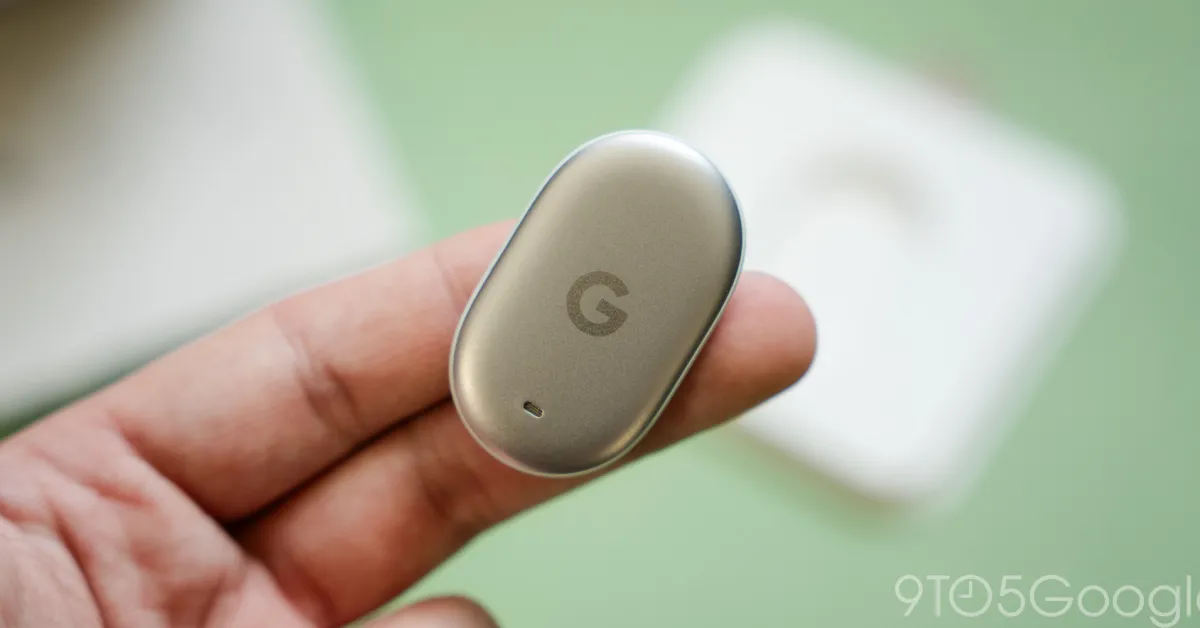
Google has released the Pixel Tag, a $29 item tracker leveraging the Find Hub network. Weighing 11.8g with IP67 resistance, it features Ultra Wideband precision, NFC tap-to-pair, and a physical button to ring phones. Priced competitively against rivals like Pebblebee, it aims to unify Android tracking with seamless ecosystem integration.
Key points
- Google, the tech giant behind the Android ecosystem, has officially launched the Pixel Tag, its first dedicated hardware tracker for the Find Hub network.
- The device weighs 11.8g, carries an IP67 water resistance rating, and is priced at $29, with a four-pack available for $99.
- It features Ultra Wideband (UWB) for precise directional tracking, Bluetooth 6.0, and Near Field Communication (NFC) for instant tap-to-pair setup.
- Users can ring their Android phone by double-pressing a physical button on the tag, and the device utilizes a network of over one billion Android devices for location services.
- The launch positions Google directly against rivals like Pebblebee and Motorola’s Moto Tag, offering tighter integration with Android 17 QPR2 features.
- Bellroy provides official accessory cases, while Google emphasizes replaceable coin cell batteries lasting over a year to reduce e-waste.
Google Enters the Item Tracking Market
Google has officially released the Pixel Tag, a compact item tracker designed to integrate seamlessly with the Android ecosystem. Following its initial announcement during the Google Pixel 11 launch event in August, the device is now available for purchase globally. The launch marks a significant step for Google’s Find Hub service, which aims to provide a robust, crowdsourced location network for Android users, similar to Apple’s Find My network. The Pixel Tag represents Google’s first dedicated hardware entry into this space, moving beyond software-only solutions to offer a physical companion for lost items.
Specifications and Design
The Pixel Tag is engineered for minimalism and durability. Weighing just 11.8 grams, the device is lightweight enough to attach to keys, bags, or wallets without adding bulk. It features an IP67 rating, providing moderate water resistance that protects against dust and temporary immersion. Power is supplied by a replaceable coin cell battery, which Google states should last for over a year under normal usage, emphasizing sustainability by avoiding disposable batteries. The design includes a circular battery door that twists counterclockwise to open, housing the power source and a physical button on the rear side.
Connectivity and Precision Tracking
At the core of the Pixel Tag’s functionality is Ultra Wideband (UWB) technology, which enables precise directional tracking. When a tag is nearby, users can view directional arrows on their Android device to pinpoint the item’s location. This is complemented by Bluetooth 6.0 with Channel Sounding, enhancing the accuracy of proximity detection. For long-range location updates, the tag relies on the Find Hub network, which leverages the GPS data of over one billion Android devices worldwide to report the tag’s position when it is out of direct Bluetooth range.
User Experience and New Features
The Pixel Tag introduces several user-centric features designed to simplify interaction. It is the first Find Hub tracker to include Near Field Communication (NFC). By tapping the tag against the back of an Android phone running Android 17 QPR2, users can instantly open the device settings page. On earlier versions like QPR1, a system notification prompts the user to open the settings. A key physical feature is the button on the rear of the tag. Double-pressing this button rings the paired Android phone if both devices are nearby, offering a quick way to locate a misplaced handset. Once found, the sound can be silenced by tapping the button once or via the app.
Pricing and Market Position
The Pixel Tag is priced at $29 in the United States, £29.99 in the United Kingdom, and AU$49 in Australia. Google also offers a four-pack for $99, £99, or AU$169, making it a cost-effective option for tracking multiple items. This pricing strategy positions the Pixel Tag competitively against existing Android-compatible trackers from brands like Pebblebee and Chipolo, which often support both Android and iOS. It also challenges Motorola’s Moto Tag series, which has been praised for its performance but lacks some of the ecosystem integration Google now offers. The Pixel Tag’s ability to ring the phone and its seamless setup process are cited as key differentiators that address previous compromises in the Android tracking market.
Accessories and Ecosystem Integration
While Google does not produce its own cases for the Pixel Tag, it has partnered with Bellroy, a known accessory manufacturer, to provide official cases. These cases are designed to complement the tag’s form factor while offering additional protection. The device supports various customization options within the Find Hub app, including setting alerts for when an item is left behind, editing names and categories, and adjusting ringer volume. Shared items can also be tagged, allowing multiple users to track the same object. The launch of the Pixel Tag completes the Made by Google 2026 lineup, signaling Google’s commitment to expanding its hardware portfolio beyond smartphones and wearables.
Key takeaways
- Google has launched the Pixel Tag, its first dedicated Find Hub tracker, priced at $29.
- The device features Ultra Wideband precision, NFC tap-to-pair, and an IP67 water resistance rating.
- It weighs 11.8g and uses a replaceable coin cell battery lasting over a year.
- The tag leverages a network of over one billion Android devices for location tracking.
- A physical button allows users to ring their paired Android phone when nearby.
- Bellroy provides official accessory cases, and the device is available in single and four-pack options.
Sources
The WireByte editorial team synthesises technology news from multiple primary sources, verifies the facts, and links every source. Articles are produced with AI assistance and reviewed under our editorial policy.