Google mandates foldable app support on Android Play Store by April 2027
Google will require Android developers to meet baseline 'Tier 3' foldable optimization standards by April 2027. Apps must fill screens without letterboxing and preserve state during folding. Non-compliant apps face removal or reduced visibility. This move aligns Android with emerging foldable hardware, including Apple's upcoming device, ensuring a consistent user experience across the growing foldable market.
Key points
- Google requires all Android apps on the Play Store to meet 'Tier 3' adaptive quality standards by April 2027.
- Compliant apps must fill the entire display without letterboxing and preserve user state during folding and rotation.
- Developers failing to meet these baseline requirements will be blocked from publishing or updating apps on Google Play.
- New foldable-specific screenshots become mandatory for app listings starting in April 2027.
- By August 2027, apps must target Android 17 (API level 37) to ensure compatibility with newer foldable hardware.
- The policy aims to elevate the foldable user experience as competition increases with devices like the rumored iPhone Duo.
Google Enforces Foldable Optimization Standards
Google has officially announced new mandatory quality requirements for Android applications, specifically targeting the growing foldable device market. Starting in April 2027, developers will be required to ensure their apps meet a baseline level of optimization for foldable screens. This move signals a significant shift in Google's approach to the Play Store, moving from encouraging best practices to enforcing them as a condition for publication. The new guidelines are designed to address the fragmented experience many users currently face when using apps on foldable devices.
The 'Tier 3' Baseline Requirement
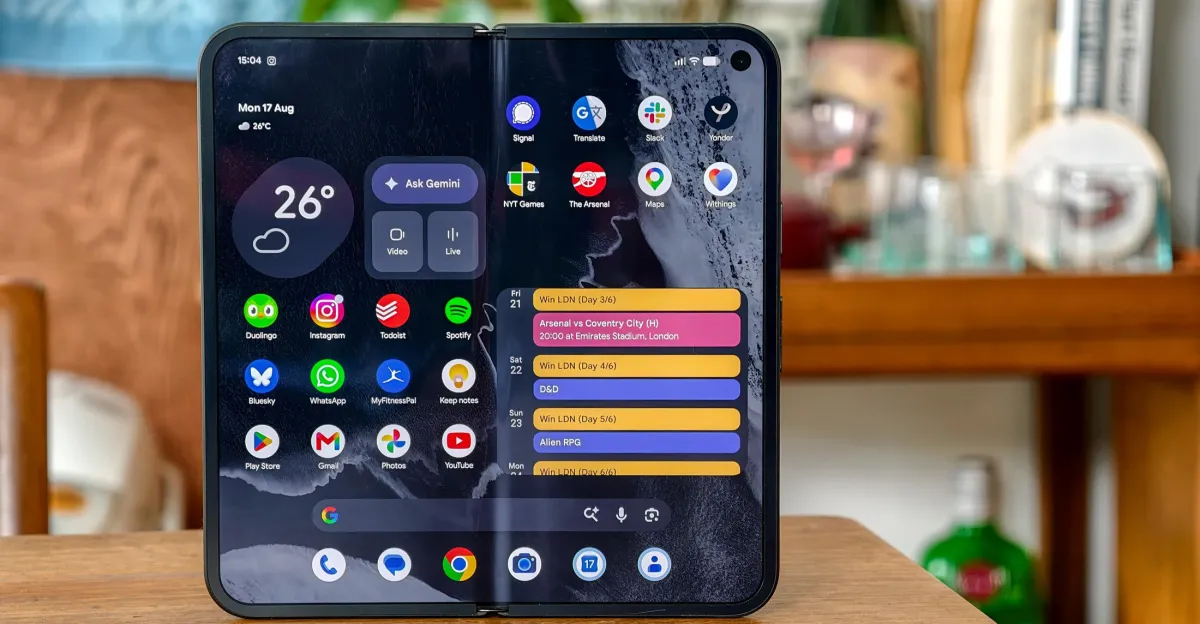
The core of the new policy is the introduction of a mandatory baseline known as 'Tier 3' or 'Adaptive ready.' According to Google, apps must fill the available display area completely, eliminating letterboxing or compatibility modes that leave black bars on the screen. Furthermore, applications must preserve user state during physical device manipulation. This includes maintaining scroll positions, text input fields, and media playback status when the device is rotated, resized, or folded and unfolded. Additionally, apps must support multi-window environments, allowing users to run multiple applications side-by-side without disruption.
Consequences for Non-Compliance
The enforcement mechanism is strict. Developers who fail to meet these Tier 3 standards will no longer be able to publish new apps or update existing ones on the Google Play Store. In some cases, non-compliant apps may also suffer from reduced visibility within the store's search and discovery algorithms. This creates a strong financial incentive for developers to adapt their codebases. Google emphasizes that this is not merely a suggestion but a hard requirement for maintaining a presence on the primary Android distribution platform.
Visual Standards and Future Roadmap
Alongside the functional requirements, Google is updating visual submission standards. Starting in April 2027, developers must include three dedicated foldable screenshots for their app listings. These images will showcase how the app behaves on foldable devices, providing users with a clearer expectation of the experience. By August 2027, the technical bar will rise further, with new and updated apps required to target Android 17, also known as API level 37. This ensures that applications are built on the latest framework capable of handling the complexities of modern foldable hardware.
Broader Ecosystem Implications
Google's initiative comes as the foldable market matures and faces increased competition. The announcement coincides with reports of Apple preparing to enter the foldable smartphone market with a device rumored to be called the iPhone Duo. By enforcing higher standards, Google aims to ensure that the Android foldable experience remains superior and more polished than any potential competitor. The policy is part of a broader quality framework that will progressively expand to include Tier 2 and Tier 1 standards. These higher tiers offer incentives such as premier badging and editorial spotlights for apps that go beyond the basics, optimizing for multi-pane layouts and external input devices like keyboards and styluses.
Key takeaways
- Google mandates 'Tier 3' foldable optimization for all Android apps by April 2027.
- Apps must fill screens without letterboxing and preserve state during folding.
- Non-compliant apps will be blocked from publishing or updating on Google Play.
- Foldable screenshots become mandatory for app listings starting April 2027.
- Android 17 (API level 37) becomes the target requirement by August 2027.
- The policy aims to improve user experience amid rising foldable competition.
Sources
The WireByte editorial team synthesises technology news from multiple primary sources, verifies the facts, and links every source. Articles are produced with AI assistance and reviewed under our editorial policy.