Google Launches Connected Apps Platform for Gemini and Search
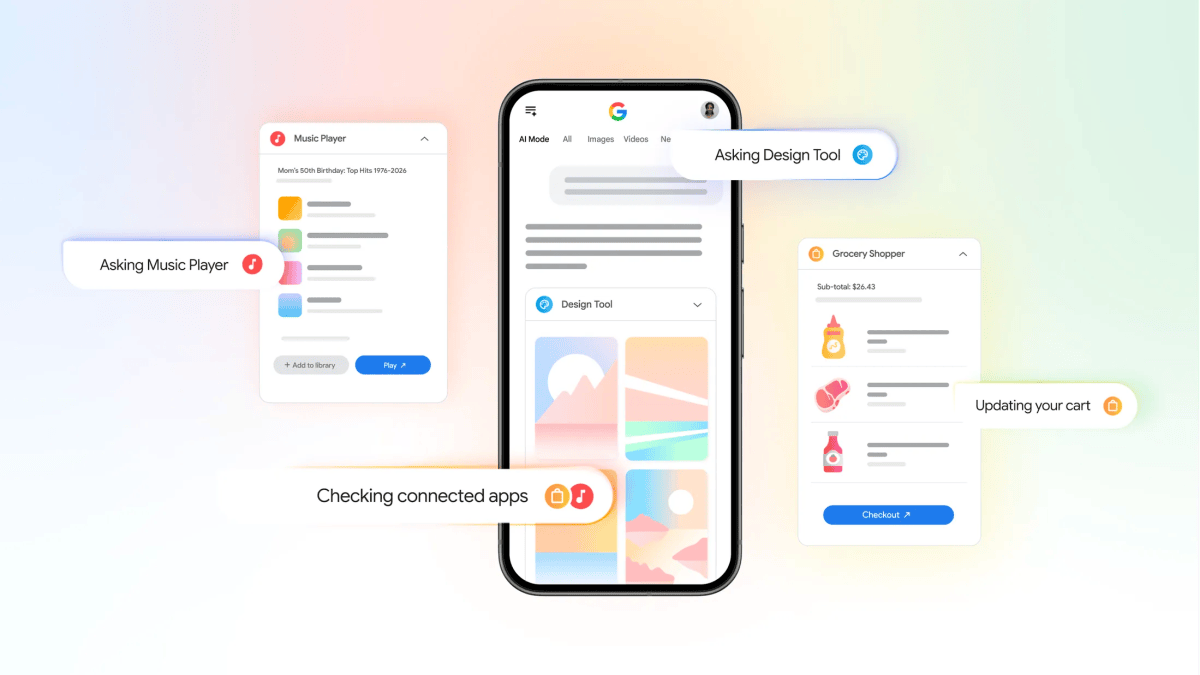
Google has introduced the Connected Apps Platform, a new developer tool enabling third-party services to integrate directly with Gemini and Search. Currently in beta for US developers, the system allows apps like Calm and Instacart to function within Google’s AI ecosystem. This move aims to consolidate user interactions through Google’s AI interfaces, potentially shifting traffic away from standalone applications.
Key points
- Google, the technology giant, has launched the Connected Apps Platform to allow third-party developers to integrate their services directly into Google Search and the Gemini AI assistant.
- The platform is currently available in a limited developer preview for US-based businesses, with plans to expand to more regions and developers in phases.
- Developers must use a cloud-hosted Model Context Protocol (MCP) server or Android MCP via AppFunctions APIs to register, test, and submit apps through the Google Connected Console.
- The ecosystem already includes over 50 third-party services such as Adobe, Dropbox, Instacart, and OpenTable, with new integrations like the mindfulness app Calm announced for the coming weeks.
- The initiative allows developers to target high-intent users by building once for both Search and Gemini, aiming to centralize consumer interactions within Google’s AI-driven interfaces.
Google Expands AI Integration Ecosystem
Google has officially unveiled the Connected Apps Platform, a new infrastructure designed to facilitate the integration of third-party applications directly into its Search and Gemini AI services. This development marks a significant step in Google’s strategy to position its AI models as central hubs for user interactions, potentially altering how consumers access digital services. By enabling businesses to connect their apps to Google’s AI experiences, the company aims to create a more seamless workflow where users can perform tasks without leaving Google’s ecosystem.
The Connected Apps Platform serves as a unified gateway for developers to bring their capabilities into Google’s products. Previously, integrating with Google’s AI required close collaboration with the company’s internal teams. The new platform democratizes this process, allowing any business or developer to submit their own connected apps and monitor their performance independently. This shift is intended to accelerate the growth of the ecosystem by lowering the barrier to entry for external service providers.
Currently, the platform is available in a beta preview exclusively for developers in the United States. Google has stated that access will be granted in phases over the coming months, with eventual expansion to additional regions and a broader range of developers. Interested parties can sign up for the public beta waitlist through the developers.google.com/connected-apps portal. This phased approach allows Google to manage the influx of new integrations and ensure system stability as the ecosystem expands.
Technical Requirements and Developer Tools
To participate in the Connected Apps Platform, developers are required to integrate their services using specific technical standards. The primary methods involve utilizing a cloud-hosted Model Context Protocol (MCP) server or implementing Android MCP via the AppFunctions APIs. Once the technical integration is complete, developers use the Google Connected Console to register, test, and submit their applications.
The Google Connected Console provides developers with a suite of tools to manage their presence within the ecosystem. It allows for the tracking of key performance metrics, including traffic, latency, and error rates. Additionally, developers can control their brand identity within the platform, ensuring that their services maintain a consistent visual and functional presence when accessed through Search or Gemini. This level of control is designed to encourage adoption by giving businesses greater oversight over how their services are presented to users.
Existing Integrations and Future Roadmap
The Connected Apps ecosystem is already populated by more than 50 third-party services. Current integrations include widely recognized brands such as Adobe, Dropbox, Instacart, OpenTable, and Ticketmaster. These apps allow users to perform specific actions, such as editing documents, managing cloud storage, ordering groceries, or booking reservations, directly through the Gemini app or Search results. Google is also expanding this list with the upcoming integration of the mindfulness app Calm, which will be available in the coming weeks.
While the initial focus has been on the Gemini app, Google is working to bring these existing connected apps to Search as well. Developers can choose whether their app will be live in Search, the Gemini app, or both. This flexibility allows businesses to target high-intent users across multiple Google touchpoints. The integration of these services aims to reduce the friction of switching between individual apps, encouraging users to complete tasks within Google’s unified interface.
Strategic Implications for the AI Landscape
The launch of the Connected Apps Platform reflects a broader trend in the tech industry where AI models are evolving into comprehensive operating systems. By enabling third-party apps to function within Gemini and Search, Google is attempting to capture and retain consumer attention that might otherwise be directed to standalone applications. This strategy mirrors efforts by other AI providers, such as ChatGPT and Meta’s Muse, to create similar ecosystems of integrated services.
The success of this initiative will depend on the breadth and quality of the connected apps available. If users find that they can efficiently access a wide range of services through Google’s AI interfaces, it could lead to a significant shift in consumer behavior. However, the platform’s impact will also be influenced by how developers respond to the new technical requirements and whether the integration process proves straightforward enough to drive widespread adoption.
Key takeaways
- Google launched the Connected Apps Platform to let third-party services integrate with Search and Gemini.
- The beta is currently limited to US developers, with global expansion planned in phases.
- Developers must use Model Context Protocol (MCP) servers or AppFunctions APIs for integration.
- The ecosystem already supports over 50 apps, including Adobe, Dropbox, and Instacart.
- New integrations like Calm are scheduled for release in the coming weeks.
- The move aims to centralize user interactions within Google’s AI-driven interfaces.
Sources
The WireByte editorial team synthesises technology news from multiple primary sources, verifies the facts, and links every source. Articles are produced with AI assistance and reviewed under our editorial policy.