Google Integrates Pixel 11 Pro HiLight LED into Android 17 Notification Rules
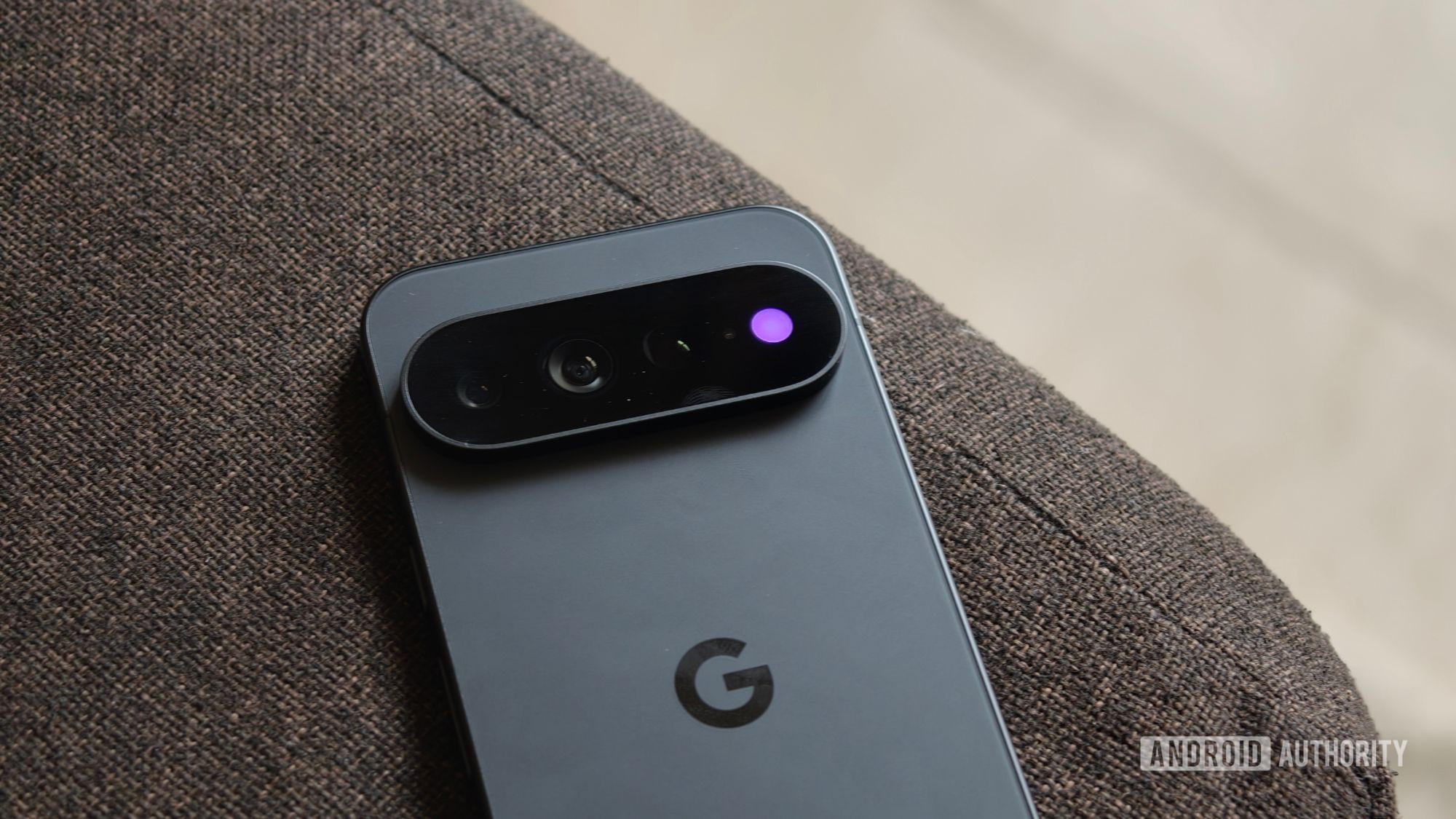
Code in Android 17 QPR3 Beta 3 reveals Google is linking the Pixel 11 Pro’s HiLight LED array to the new Notification Rules system. Users may soon assign specific apps or contacts to trigger the rear LED, including flashing when the device is face down. This expansion moves beyond current limitations to Phone and WhatsApp, enhancing global visibility for urgent alerts.
Key points
- Google is integrating the Pixel 11 Pro’s HiLight LED array into the Android 17 Notification Rules system, allowing granular control over notification alerts.
- The code in Android 17 QPR3 Beta 3 suggests users can assign the 'Highlight' action to specific apps, contacts, or on-device AI for urgent messages.
- The feature may allow the rear LED to flash even when the phone is placed face down, improving alert visibility in various scenarios.
- Currently, HiLight functionality is limited to the Phone app and WhatsApp, but this update aims to expand support to a broader range of applications.
- This development indicates Google’s effort to enhance the utility of the Pixel 11 Pro’s hardware features through software updates in Android 17.
Android 17 Code Reveals Expanded LED Functionality
Recent analysis of the Android 17 QPR3 Beta 3 codebase has uncovered significant developments regarding the notification handling capabilities of Google’s upcoming mobile operating system. Specifically, the code indicates that Google is working to connect the Pixel 11 Pro’s rear HiLight LED array to the platform’s new Notification Rules system. This integration represents a substantial shift in how the company manages hardware-led notifications, moving beyond the current restrictive implementation to offer users more customizable alert mechanisms.
From Limited Support to Broad Integration
Currently, the HiLight feature on the Pixel 11 Pro is constrained in its utility. It is primarily designed to alert users to notifications from the Phone app and WhatsApp. While this provides a basic level of visibility, it fails to leverage the full potential of the LED array located around the camera flash. The discovery in the beta code suggests that Google is addressing this limitation by allowing the 'Highlight' action to be assigned to specific apps and contacts within the Notification Rules framework. This change would enable users to designate which applications can trigger the LED, thereby transforming it from a basic phone alert into a versatile notification hub.
Enhanced Visibility and AI Integration
One of the most notable aspects of this potential update is the ability for the HiLight LED to flash even when the Pixel 11 Pro is placed face down. This functionality addresses a common user pain point where physical orientation of the device obscures visual alerts. Furthermore, the code hints at the integration of on-device AI, which could automatically identify and highlight urgent messages or delivery notifications. This AI-driven approach would allow the system to prioritize alerts based on context, ensuring that critical information reaches the user without requiring manual configuration for every possible scenario.
Contextualizing the Notification Rules System
The introduction of Notification Rules in Android 17 Beta 3 marks a broader trend toward granular control over device notifications. First spotted in April, this system allows users to define precise conditions under which apps and people can send alerts. By integrating the HiLight LED into this framework, Google is providing a hardware-level response to software-defined rules. This synergy between hardware and software aims to reduce notification fatigue while ensuring that high-priority alerts are never missed, regardless of the device’s position or the user’s current activity.
Implications for the Pixel Ecosystem
For Pixel users, this development signals a renewed focus on leveraging unique hardware features through software innovation. The HiLight LED has been a distinctive element of the Pixel 11 Pro, but its limited software support has often drawn criticism. The expansion of its functionality through Android 17 could enhance the device’s appeal in a competitive smartphone market. Additionally, the move toward on-device AI for notification prioritization aligns with Google’s broader strategy of enhancing privacy and performance by processing data locally rather than relying on cloud-based services.
Key takeaways
- Android 17 QPR3 Beta 3 code reveals Google is linking the Pixel 11 Pro’s HiLight LED to the Notification Rules system.
- Users may soon assign specific apps or contacts to trigger the rear LED, expanding beyond current Phone and WhatsApp limits.
- The feature could allow the LED to flash when the phone is face down, improving alert visibility in all orientations.
- On-device AI may automatically highlight urgent messages, adding a layer of intelligent notification management.
- This integration enhances the utility of the Pixel 11 Pro’s hardware, addressing previous criticisms of limited functionality.
Sources
The WireByte editorial team synthesises technology news from multiple primary sources, verifies the facts, and links every source. Articles are produced with AI assistance and reviewed under our editorial policy.