WireByte
  • Log In
  • Sign Up
  • AI & Machine Learning
  • Technology
  • Science
  • Space & Astronomy
  • Gaming & Esports

Welcome Back

Log in to your WireByte account

Don't have an account? Sign Up

Create Account

Join WireByte for a personalized experience

Select your favorite categories:

Already have an account? Log In

Stay in the Loop

Get the stories that matter, delivered to your inbox.

You're all set! Check your inbox for a welcome email.

What do you want alerts for?

Search
Trending
WireByte
AI & Machine LearningTechnologyScienceSpace & AstronomyGaming & Esports

Home / Hardware

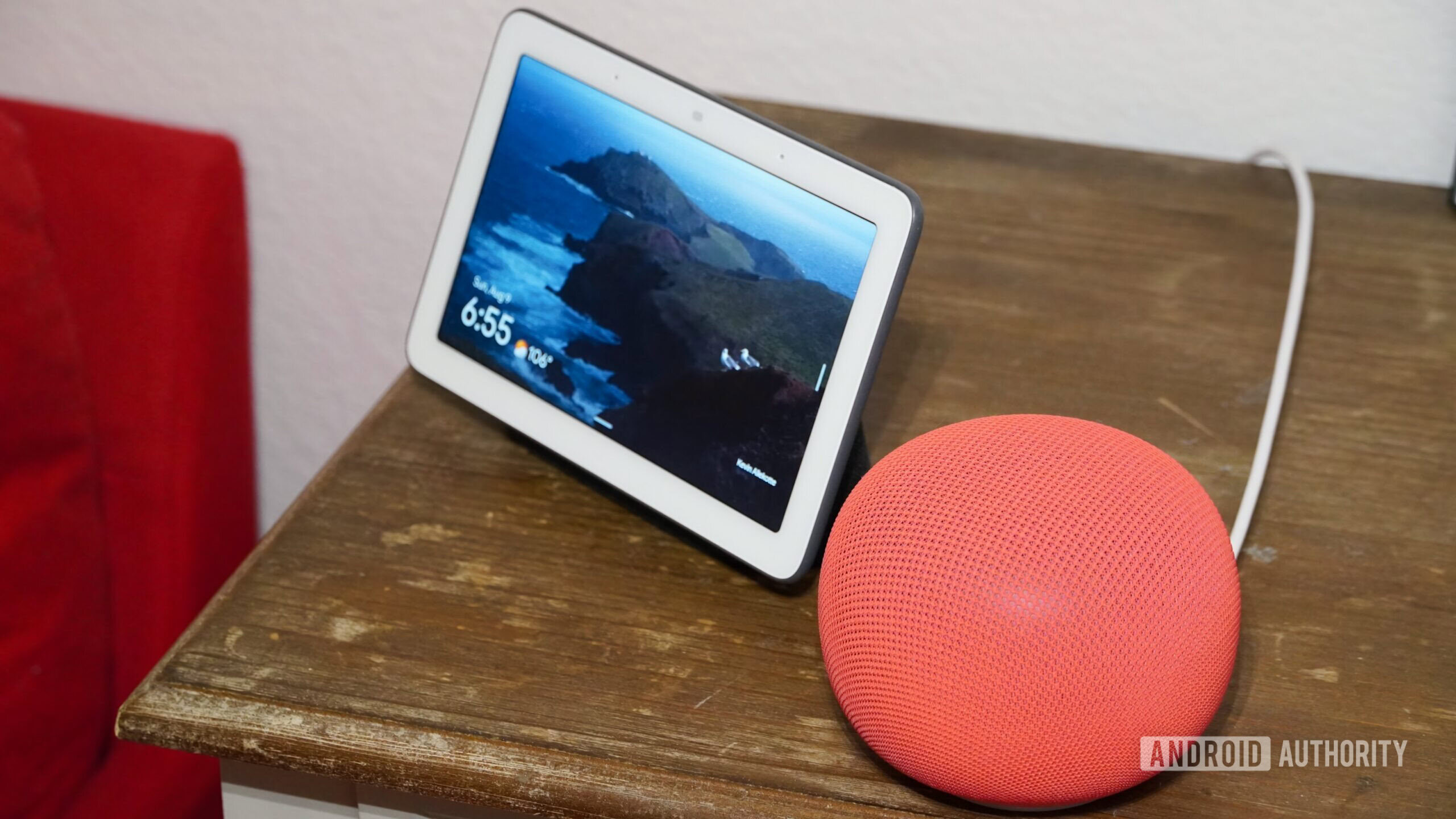
Google Home Ecosystem Stagnates as Hardware Updates Stall in 2026
Image: © Android Authority
Hardware

Google Home Ecosystem Stagnates as Hardware Updates Stall in 2026

WireByte Staff · October 30, 2026

Ten years after launch, Google’s smart home platform faces criticism for hardware stagnation. With no new Nest Cam or Google TV models in years, the ecosystem feels precarious. As competitors advance, Google’s failure to refresh core devices threatens its market position and user retention in the global smart home sector.

Key points

  • Google’s smart home platform, Google Home, is celebrating its 10th anniversary in 2026 but is criticized for significant hardware stagnation.
  • Key devices remain outdated, with no new battery-powered Nest Cam or Nest Doorbell released since 2021.
  • The Google TV Streamer 4K has been on the market for over two years and has increased in price without a budget alternative.
  • The latest Nest Hub smart display is more than five years old, highlighting a lack of recent product innovation.
  • Users report increasing frustration as the ecosystem feels precarious compared to fiercer competition in the smart home market.

Stagnation in a Mature Ecosystem

A decade into its lifecycle, Google’s smart home platform is facing intense scrutiny for its lack of hardware innovation. Ten years after its initial launch, Google Home was expected to be a mature and robust system. Instead, long-time users and tech analysts describe the current state of the platform as precarious and frustrating. The core issue is not software, but a severe drought in hardware releases that has left the ecosystem feeling abandoned by its creator.

Outdated Hardware Portfolio

The most glaring evidence of this stagnation is the age of Google’s core smart home devices. The Google TV Streamer 4K, a central hub for many users, has been available for over two years. Despite its age, the device has seen price increases rather than reductions, and there is no budget model to compete with cheaper alternatives from rivals. Similarly, the latest Nest Hub smart display is more than five years old. In the fast-paced consumer electronics industry, a five-year gap in major display updates is virtually unheard of for a flagship product line.

The Camera Drought

Perhaps the most significant gap in the portfolio is in security hardware. Google has not released new battery-powered versions of the Nest Cam or the Nest Doorbell since 2021. This four-year silence is particularly damaging in a market where competitors are aggressively updating wireless security options. For users who have built their homes around Google’s security ecosystem, this lack of refresh leaves them with obsolete technology while competitors offer newer, more reliable options.

User Frustration and Market Position

For dedicated users who have integrated Google devices into their daily lives, the lack of updates is a source of growing annoyance. One long-term user, whose home is equipped with Google security cameras, thermostats, speakers, and displays, described the experience as the most frustrating in Google’s current product portfolio. The sentiment is that Google seems unsure how to respond to the increasingly competitive smart home landscape. The hardware ambitions that once defined the brand have become a pain point, with the company appearing to have all but given up on making new smart home gadgets.

Global Implications for Smart Home Adoption

The stagnation of Google Home has broader implications for the global smart home market. As Google hesitates, competitors are filling the void with more frequent hardware cycles and innovative features. This shift threatens to erode Google’s market share and user retention. The platform’s inability to refresh its core devices suggests a strategic misstep that could impact Google’s long-term viability in the Internet of Things (IoT) sector. Without a clear roadmap for hardware updates, the ecosystem risks becoming a legacy system rather than a leader in smart home technology.

What Comes Next

As we move further into 2026, the pressure on Google to innovate is mounting. Users are beginning to question the value of staying within the Google ecosystem if hardware is not being supported. The company’s silence on future releases has led to speculation that it may be shifting its focus away from hardware entirely. However, for now, the lack of new products is a significant liability. The smart home market is evolving rapidly, and Google’s hesitation may cost it dearly in the coming years.

Key takeaways

  • Google Home is 10 years old but suffers from severe hardware stagnation.
  • No new battery-powered Nest Cam or Nest Doorbell has been released since 2021.
  • The Google TV Streamer 4K is over two years old and has increased in price.
  • The latest Nest Hub smart display is more than five years old.
  • Users report frustration as the ecosystem feels precarious compared to competitors.

Sources

  • androidauthority.com
WireByte Staff — Editorial Team

The WireByte editorial team synthesises technology news from multiple primary sources, verifies the facts, and links every source. Articles are produced with AI assistance and reviewed under our editorial policy.


Latest

Apple Targets 16M MacBook Neo Shipments in 2027

Apple Targets 16M MacBook Neo Shipments in 2027

Apple plans to double MacBook Neo shipments to 16 million units in 2027, signaling stron…

Nintendo Reports Switch 2 Sales Drop Amid Price Hike and Profit Shift

Nintendo Reports Switch 2 Sales Drop Amid Price Hike and Profit Shift

Nintendo reported a 37.4% drop in Switch 2 sales for the first half of fiscal 2026, sell…

Ninja Launches Luxe Café Mini and Jonathan Adler Collaboration Espresso Machines

Ninja Launches Luxe Café Mini and Jonathan Adler Collaboration Espresso Machines

Ninja has introduced the compact Luxe Café Mini, now priced at $399.99, and the high-end…

Amazon Replaces Grubhub with Uber Eats for Prime Delivery

Amazon Replaces Grubhub with Uber Eats for Prime Delivery

Amazon has ended its partnership with Grubhub and designated Uber Eats as the official r…

Sony Profits Surge on Spider-Man Box Office and PS5 Software Sales

Sony Profits Surge on Spider-Man Box Office and PS5 Software Sales

Sony reported a 44% profit increase to 449.6 billion yen, driven by Spider-Man: Brand Ne…

US Midterms: Tech Oligarchs Face Political Backlash as Democrats Retake Congress

US Midterms: Tech Oligarchs Face Political Backlash as Democrats Retake Congress

Democrats have retaken control of the US Congress following the midterm elections, signa…

Related articles

Apple Targets 16M MacBook Neo Shipments in 2027 Apple Apple Targets 16M MacBook Neo Shipments in 2027 WireByte

Apple plans to double MacBook Neo shipments to 16 million units in 2027, signaling strong demand for its entry-level laptop. The device, launched in March 2026 with an A18 Pro chip, saw a price increase to $699. Supply chain sources attribute recent Mac sales growth largely to the Neo model, with a second-generation version expected next year.

WireByte Staff · November 5, 2026

Nintendo Reports Switch 2 Sales Drop Amid Price Hike and Profit Shift Gaming & Esports Nintendo Reports Switch 2 Sales Drop Amid Price Hike and Profit Shift WireByte

Nintendo reported a 37.4% drop in Switch 2 sales for the first half of fiscal 2026, selling 6.49 million units. Operating profit fell 16% to 73.9 billion yen despite an 11% rise in net profit driven by software and movie revenue. The company ruled out further price increases, maintaining its 16.5 million unit annual forecast despite memory cost pressures.

WireByte Staff · November 5, 2026

Ninja Launches Luxe Café Mini and Jonathan Adler Collaboration Espresso Machines Latest Ninja Launches Luxe Café Mini and Jonathan Adler Collaboration Espresso Machines WireByte

Ninja has introduced the compact Luxe Café Mini, now priced at $399.99, and the high-end Luxe Café Pro designed with Jonathan Adler for $899. The Mini targets small spaces with Barista Assist Technology, while the Pro features a bold, designer aesthetic. These releases expand Ninja's coffee lineup, offering varied options for home baristas ahead of the holiday shopping season.

WireByte Staff · November 5, 2026

Amazon Replaces Grubhub with Uber Eats for Prime Delivery Food & Drink Amazon Replaces Grubhub with Uber Eats for Prime Delivery WireByte

Amazon has ended its partnership with Grubhub and designated Uber Eats as the official restaurant delivery provider for US Prime members. The new integration allows users to order food directly through Amazon’s platforms without creating an Uber account, waiving delivery fees on orders over $25. This move deepens the existing tech alliance between the two companies while reshaping the competitive food delivery landscape.

WireByte Staff · November 5, 2026

Sony Profits Surge on Spider-Man Box Office and PS5 Software Sales Business & Economy Sony Profits Surge on Spider-Man Box Office and PS5 Software Sales WireByte

Sony reported a 44% profit increase to 449.6 billion yen, driven by Spider-Man: Brand New Day’s $2.52 billion box office and strong PS5 software sales. Console hardware sales dropped to 2.6 million units due to supply constraints, while Marvel’s Wolverine sold 2.4 million copies. Sony raised its gaming segment forecast by 6%, anticipating further gains from the upcoming Grand Theft Auto VI launch.

WireByte Staff · November 5, 2026

US Midterms: Tech Oligarchs Face Political Backlash as Democrats Retake Congress Latest US Midterms: Tech Oligarchs Face Political Backlash as Democrats Retake Congress WireByte

Democrats have retaken control of the US Congress following the midterm elections, signaling a shift away from the tech industry's previous alignment with Donald Trump. Silicon Valley billionaires, who heavily supported the Republican agenda, now face increased scrutiny from a hostile legislative body. Voters cited concerns over corruption, AI expansion, and surveillance as key drivers in rejecting pro-tech Republican candidates.

WireByte Staff · November 5, 2026

WireByte

Tech & AI news, synthesised and to the point.

Delivering original syntheses and breaking news with cited sources. Stay informed with WireByte.

Sections

  • AI & Machine Learning
  • Technology
  • Science
  • Space & Astronomy
  • Gaming & Esports

Company

  • About Us
  • Editorial Policy
  • Privacy Policy

Newsletters

Get the stories that matter, delivered to your inbox.

© 2026 WireByte. All rights reserved. Original syntheses with cited sources.

Home Search