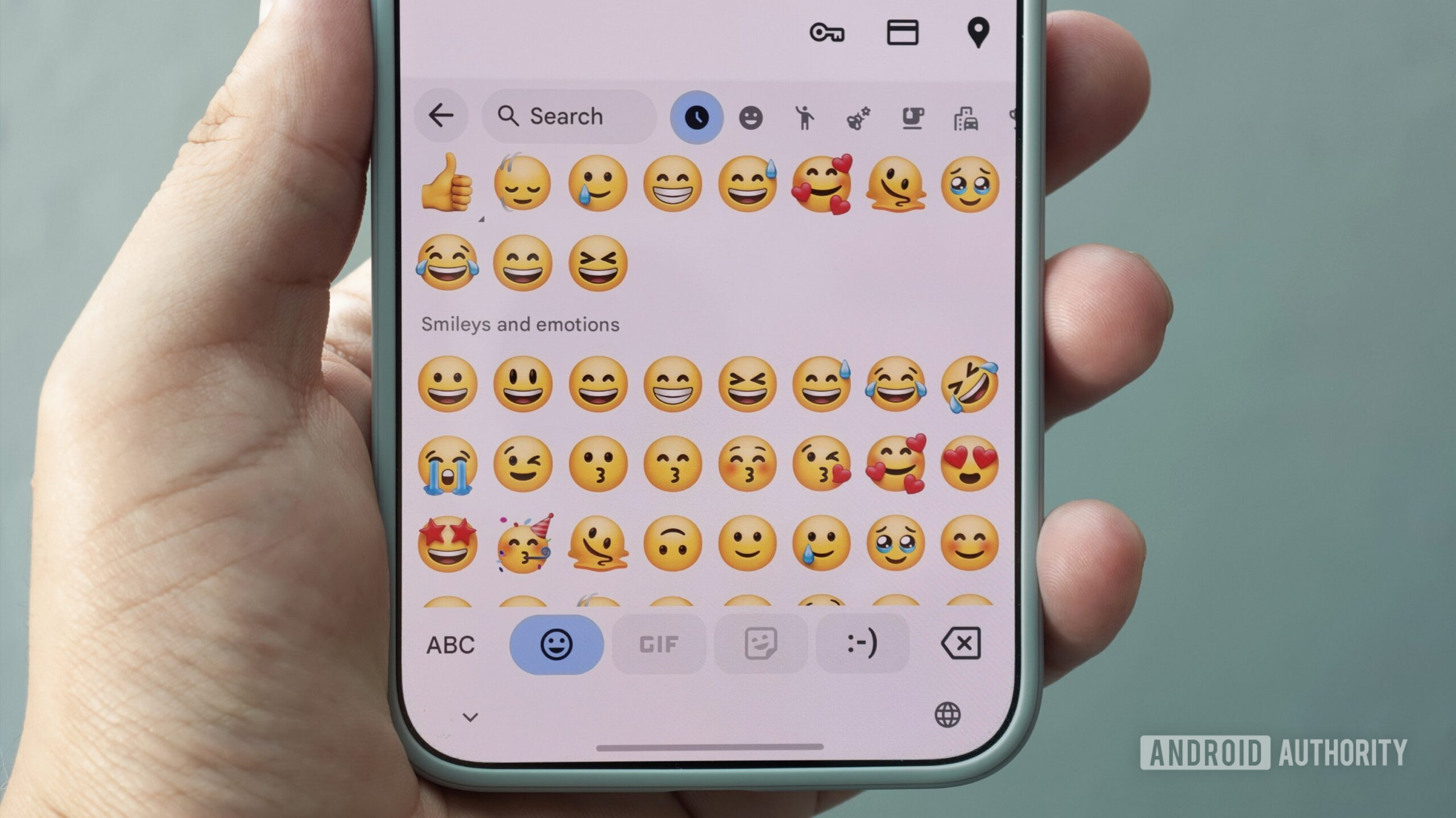
Google Confirms Samsung Galaxy Excluded from Noto 3D Emoji Rollout
Google has confirmed that Samsung Galaxy devices will not receive its new Noto 3D Emoji feature due to the manufacturer's use of a proprietary emoji font. The update requires Android 17 and specific hardware specs. Third-party apps like WhatsApp are also excluded. This decision highlights ongoing fragmentation in Android's visual standards across different OEMs.
Key points
- Google, the developer of the Noto 3D Emoji font, confirmed that Samsung Galaxy devices are excluded from the feature rollout.
- The exclusion occurs because Samsung utilizes a proprietary emoji font system rather than the open-source Noto font used by Google.
- The Noto 3D Emoji feature requires Android 17, at least 6GB of RAM, 128GB of total storage, and 10GB of free space.
- Third-party messaging applications such as WhatsApp are also unable to display the new 3D emojis due to their independent emoji rendering systems.
- The feature was initially launched on the Pixel 11 series before expanding to other manufacturers, but Samsung remains on the exclusion list.
- Google's support documentation clarifies that the proprietary nature of Samsung's font implementation prevents compatibility with the new open-source standard.
Google Clarifies Samsung Exclusion from 3D Emoji Update
Google has officially addressed the absence of Samsung Galaxy devices from its latest software update regarding the Noto 3D Emoji. In a newly published support page, the tech giant confirmed that Samsung phones will not receive the new three-dimensional emoji set. This clarification comes after the feature became available on Pixel devices and other Android manufacturers, leaving Samsung users unable to access the visual upgrade.
The primary reason for this exclusion lies in the fundamental differences in how Samsung and Google handle emoji rendering. Google’s Noto Emoji is an open-source font designed to be universally compatible across various operating systems and applications. In contrast, Samsung employs a proprietary emoji font within its One UI interface. Because the Noto 3D Emoji relies on specific font integrations that Samsung’s custom system does not support, the feature cannot be deployed on Galaxy devices without significant modification to Samsung’s software architecture.
Technical Requirements and System Constraints
Beyond the font compatibility issue, Google’s support documentation outlines stringent hardware and software requirements for the Noto 3D Emoji feature. Devices must be running Android 17 to access the new visual elements. In terms of memory and storage, the feature demands at least 6GB of RAM, 128GB of total internal storage, and a minimum of 10GB of free space. These specifications ensure that the device has sufficient processing power and storage capacity to render the more complex 3D graphics without impacting overall system performance.
The initial rollout of Noto 3D Emoji began with the Pixel 11 series. Google subsequently expanded the availability of the feature to older Pixel models and a select group of other Android manufacturers. However, Samsung was notably absent from the list of supported partners. The company’s decision to maintain its proprietary font system has resulted in a fragmented user experience within the Android ecosystem, where visual standards vary significantly between different device makers.
Impact on Third-Party Applications
The exclusion of Samsung’s proprietary font also affects third-party applications that rely on their own emoji rendering systems. Google’s support page explicitly states that messaging platforms such as WhatsApp cannot display the Noto 3D Emoji. This is because these applications often implement custom emoji sets to ensure consistency across different devices and operating systems. Consequently, even if a user were to install a compatible version of the app, the visual representation of emojis would remain unchanged on Samsung devices.
This limitation extends beyond just Samsung. Any application that does not integrate with the system-level Noto font will continue to use its default emoji designs. This creates a scenario where the appearance of emojis can differ not only between manufacturers but also between native system interfaces and third-party apps. For users who value visual consistency across their digital interactions, this fragmentation can be a notable drawback.
Industry Implications and Future Outlook
The situation underscores the ongoing challenges of standardizing visual elements in an open-source ecosystem. While Google promotes Noto Emoji as a universal solution, the reliance on proprietary fonts by major manufacturers like Samsung limits its adoption. This dynamic highlights the tension between open-source ideals and the desire of OEMs to maintain unique brand identities through custom software features.
Users who were anticipating the Noto 3D Emoji on their Galaxy devices will need to wait for potential future developments. Samsung may choose to update its font system to support Noto, or Google may find a way to integrate the feature without requiring a complete overhaul of Samsung’s interface. Until then, the disparity in emoji presentation remains a distinct characteristic of the Android landscape.
Key takeaways
- Google confirmed Samsung Galaxy devices are excluded from the Noto 3D Emoji feature due to proprietary font usage.
- The feature requires Android 17, 6GB RAM, 128GB storage, and 10GB free space to function.
- Third-party apps like WhatsApp cannot display the new emojis because they use independent rendering systems.
- The rollout started on Pixel 11 and expanded to other manufacturers, but Samsung remains unsupported.
- The exclusion highlights ongoing fragmentation in Android’s visual standards across different OEMs.
- Samsung’s decision to maintain its custom font prevents compatibility with Google’s open-source Noto font.
Sources
The WireByte editorial team synthesises technology news from multiple primary sources, verifies the facts, and links every source. Articles are produced with AI assistance and reviewed under our editorial policy.