Google Confirms Android App Lock Requires OS Update, Not Play System Patch
Google confirmed its native Android App Lock feature cannot be backported to older devices via Google Play System updates. The functionality relies on deep core platform APIs, necessitating a full OS upgrade. This limits availability to newer Android versions, excluding many existing smartphones from accessing the integrated security and privacy enhancements.
Key points
- Google, the developer of the Android operating system, confirmed that its native App Lock feature cannot be distributed to older devices through Google Play System updates.
- The App Lock implementation relies on new APIs within the core Android platform, making it incompatible with the scope of modular Play System updates.
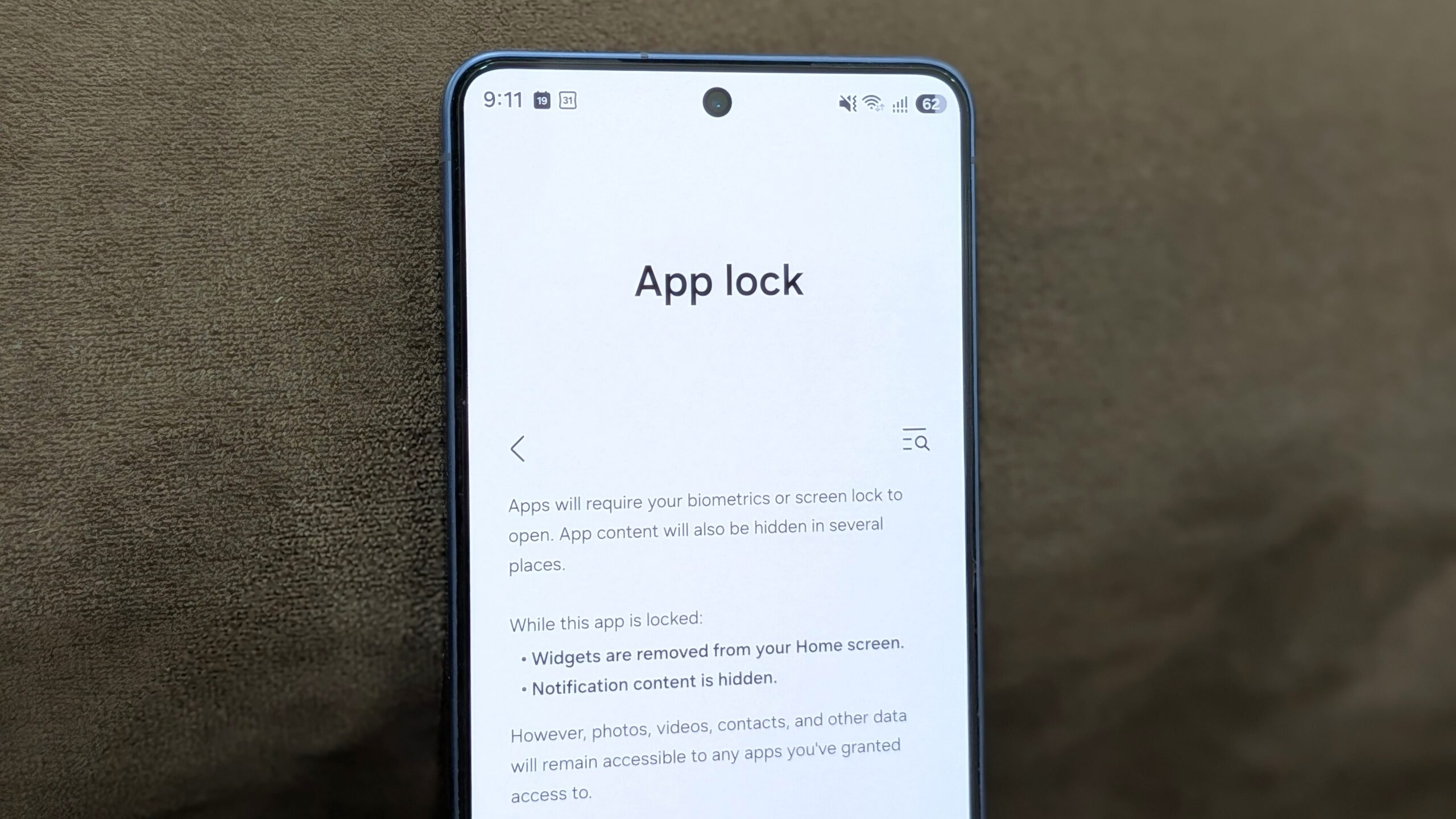
- Users must receive a full Android operating system update to access the feature, which includes hiding notification content, obscuring app previews, and removing home screen widgets.
- This limitation means that many older smartphones will not gain the native security and privacy protections associated with the App Lock feature.
- Google clarified the technical constraints in response to user inquiries, emphasizing that the feature's deep integration with the OS prevents backporting.
Technical Constraints Prevent Backporting
Google has officially clarified that its newly introduced native App Lock feature for Android cannot be made available to older smartphone models through Google Play System updates. The tech giant confirmed that the functionality is deeply integrated into the core Android platform, relying on specific application programming interfaces (APIs) that are not accessible via the modular update mechanism. This distinction is critical for understanding the distribution of the feature across the fragmented Android ecosystem.
Difference Between Update Types
To understand the limitation, it is necessary to distinguish between the two primary methods Google uses to deliver updates. Google Play System updates allow the company to patch certain parts of the operating system and deliver security improvements without requiring the device manufacturer to issue a full software update. However, these updates have a defined scope and cannot modify the underlying core of the operating system. The changes required for App Lock fall outside this permissible scope, necessitating a full Android OS update instead.
Deep System Integration
The App Lock feature is not a superficial layer added to the user interface; it fundamentally alters how the operating system handles application access and data visibility. Beyond the basic requirement of a fingerprint, PIN, pattern, or password to launch a protected application, the feature modifies several system-level behaviors. It hides notification content from the lock screen, removes home screen widgets and shortcuts associated with the locked app, and obscures the app's preview in the Recents menu. Additionally, it hides direct sharing targets from the protected applications, ensuring that sensitive data is not inadvertently shared.
Impact on User Base
This technical reality means that the App Lock feature will only be available on devices that receive a full Android operating system update that includes these new core APIs. Consequently, a significant portion of the Android user base running older versions of the operating system will not have access to this native security and privacy enhancement. Users on these older devices will need to rely on third-party applications or manufacturer-specific security suites if they wish to achieve similar levels of app protection.
Official Response and Clarification
The clarification came in response to inquiries from users on social media platforms, specifically Reddit, where discussions about the availability of the feature were ongoing. Google’s Mishaal Rahman addressed the community directly, explaining that because the app lock utilizes new APIs in the core Android platform, the current implementation cannot be backported to previous Android versions via Google Play system updates. This response aims to manage user expectations and provide transparency regarding the technical barriers to widespread adoption.
Significance for Android Security
The introduction of native App Lock represents a shift in how Google approaches user privacy and security within the Android ecosystem. By integrating these features directly into the operating system, Google aims to provide a consistent and reliable security experience across supported devices. However, the inability to backport the feature highlights the challenges inherent in the Android platform's fragmentation. Manufacturers and users must navigate the requirement for full OS updates to access the latest security innovations.
Future Implications
As Android continues to evolve, the reliance on core platform APIs for new features may become more common. This could further widen the gap between newer devices and older models, as the latter may never receive the full suite of security and privacy enhancements available on the latest versions. Users and manufacturers alike must consider the lifecycle of their devices and the availability of full OS updates when evaluating the long-term security posture of their Android smartphones.
Key takeaways
- Google confirmed App Lock cannot be backported via Play System updates due to core API dependencies.
- The feature requires a full Android OS update, limiting availability to newer devices.
- App Lock hides notifications, widgets, previews, and sharing targets for enhanced privacy.
- Older Android versions will not receive the native App Lock functionality.
- The decision highlights the technical constraints of modular updates versus full OS upgrades.
Sources
The WireByte editorial team synthesises technology news from multiple primary sources, verifies the facts, and links every source. Articles are produced with AI assistance and reviewed under our editorial policy.