WireByte
  • Log In
  • Sign Up
  • AI & Machine Learning
  • Technology
  • Science
  • Space & Astronomy
  • Gaming & Esports

Welcome Back

Log in to your WireByte account

Don't have an account? Sign Up

Create Account

Join WireByte for a personalized experience

Select your favorite categories:

Already have an account? Log In

Stay in the Loop

Get the stories that matter, delivered to your inbox.

You're all set! Check your inbox for a welcome email.

What do you want alerts for?

Search
Trending
WireByte
AI & Machine LearningTechnologyScienceSpace & AstronomyGaming & Esports

Home / Hardware

computer hardware chip
Hardware

Google Clarifies 3D Emoji Storage and RAM Requirements

WireByte Staff · November 23, 2026

Google clarified that its new Noto 3D emoji font occupies less than 220MB, debunking rumors of a 10GB storage or 6GB RAM requirement. These higher figures were system safeguards for automatic downloads, not actual usage. Samsung devices will not receive the update, raising questions about device compatibility and user opt-out options.

Key points

  • Google confirmed the Noto 3D emoji font file size is under 220MB, significantly less than the rumored 10GB.
  • The stated 6GB RAM and 10GB storage requirements are system safeguards for automatic downloads, not actual consumption.
  • The new 3D emoji design is approximately 70 times larger than the previous 2D emoji set, which used roughly 3MB.
  • Samsung smartphones are excluded from receiving the new emoji designs, limiting the update's reach.
  • It remains unconfirmed whether users can opt out of the automatic download of the new font files.

Clarifying Hardware Demands

Google has addressed widespread confusion regarding the hardware specifications required for its latest Noto 3D emoji update. Recent reports suggested that installing the new emoji set would demand 10GB of free storage and 6GB of RAM, figures that seemed disproportionately high for a font update. In response to user inquiries, Google provided clarification that these numbers represent system safeguards rather than the actual size of the emoji files. The company emphasized that the new 3D font occupies less than 220MB of storage space. This distinction is critical for users concerned about device performance and storage capacity, as the actual resource footprint is minimal compared to the initial reports.

Size Comparison and Technical Details

The new Noto 3D emoji set represents a significant shift in visual design for Android devices, moving from flat 2D graphics to three-dimensional models. While the new font is larger than its predecessor, the increase is manageable. The older 2D emoji set utilized approximately 3MB of storage. In contrast, the new 3D font takes up less than 220MB. This makes the new emoji set roughly 70 times larger in file size, but still far below the 10GB threshold that sparked the initial controversy. The 6GB RAM figure cited in early reports was also identified as a safeguard to ensure smooth operation during the automatic download and installation process, rather than a continuous memory requirement.

Exclusion of Samsung Devices

A notable aspect of this rollout is the exclusion of Samsung smartphones from receiving the new emoji designs. Google’s support page explicitly confirmed that Samsung devices will not be updated with the Noto 3D emoji. This decision limits the global impact of the update, as Samsung holds a substantial share of the Android market. The reason for this exclusion has not been detailed, but it suggests potential compatibility issues or strategic decisions regarding the integration of the new font with Samsung’s custom interface. Users of Samsung devices will continue to see the previous 2D emoji designs, creating a visual discrepancy across different Android ecosystems.

User Control and Opt-Out Uncertainty

Despite the clarification on storage and RAM, questions remain regarding user control over the update. Google has not yet specified whether users can opt out of downloading the new emoji font. The update appears to be delivered automatically, which may concern users with limited storage or those who prefer the previous aesthetic. The lack of an opt-out mechanism could lead to further user frustration, particularly if the automatic download consumes significant data or storage space on devices with tight limits. Google’s silence on this matter leaves users uncertain about their ability to manage the update manually.

Key takeaways

  • Google clarified that the Noto 3D emoji font is under 220MB, not 10GB.
  • The 6GB RAM and 10GB storage figures are safeguards for automatic downloads.
  • The new font is larger than the old 3MB 2D set but still manageable.
  • Samsung devices are excluded from receiving the new emoji designs.
  • Users cannot currently opt out of the automatic download of the font.
  • The update highlights the visual shift from 2D to 3D emoji on Android.

Sources

  • androidauthority.com
WireByte Staff — Editorial Team

The WireByte editorial team synthesises technology news from multiple primary sources, verifies the facts, and links every source. Articles are produced with AI assistance and reviewed under our editorial policy.


More in Hardware

Tom's Hardware Launches Premium Subscription Service

Tom's Hardware Launches Premium Subscription Service

Tom's Hardware has introduced a Premium subscription tier, offering an ad-free reading e…

computer hardware chip

US Blacklists Megaspeed in Nvidia Chip Export Probe

The US Commerce Department added Megaspeed and six affiliates to its trade blacklist, ha…

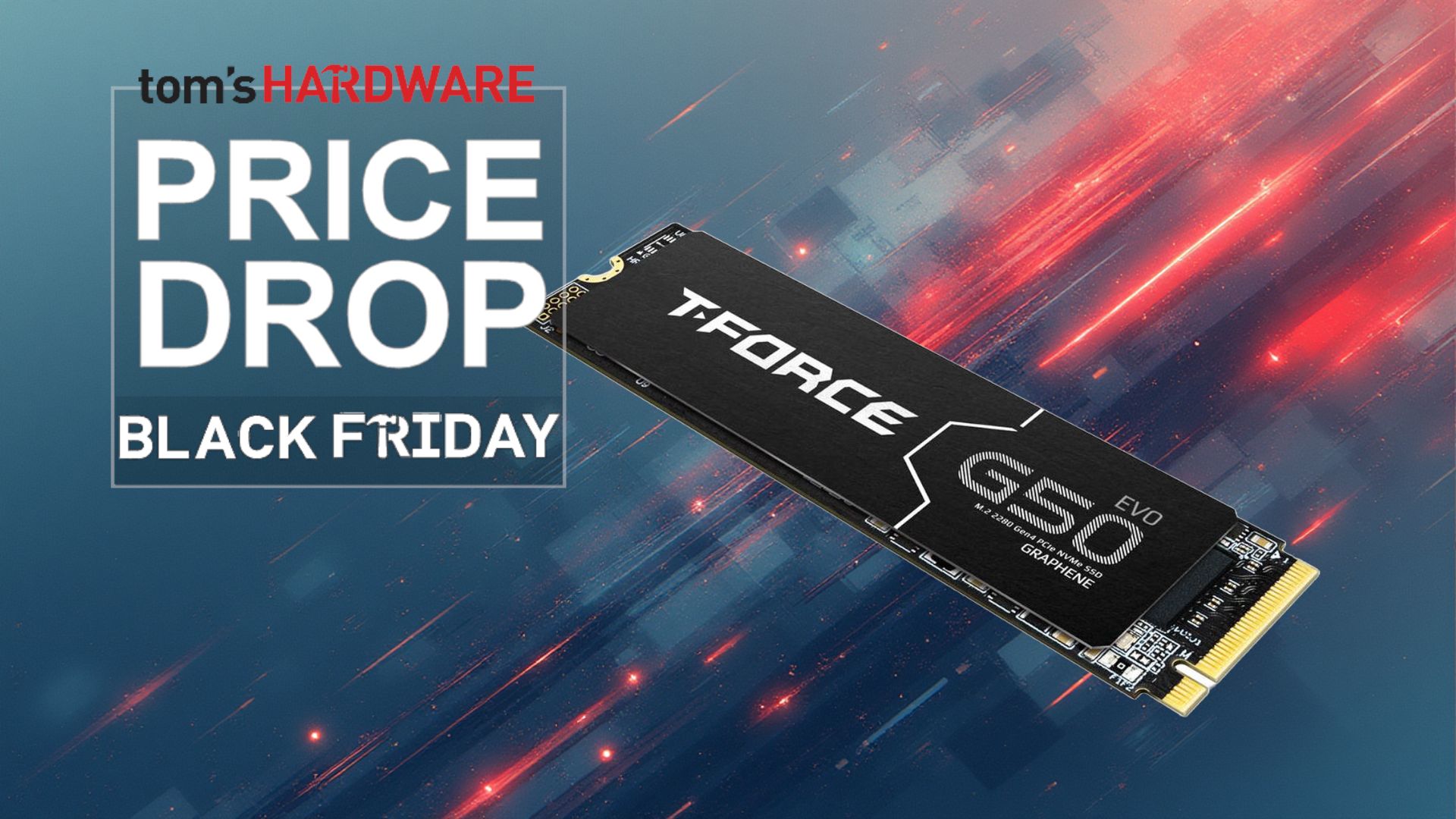
Team Group T-Force G50 Evo 4TB SSD Hits $0.10 Per GB Ahead of Black Friday

Team Group T-Force G50 Evo 4TB SSD Hits $0.10 Per GB Ahead of Black Friday

The Team Group T-Force G50 Evo 4TB solid-state drive is available for $399.99 on Newegg,…

Latest

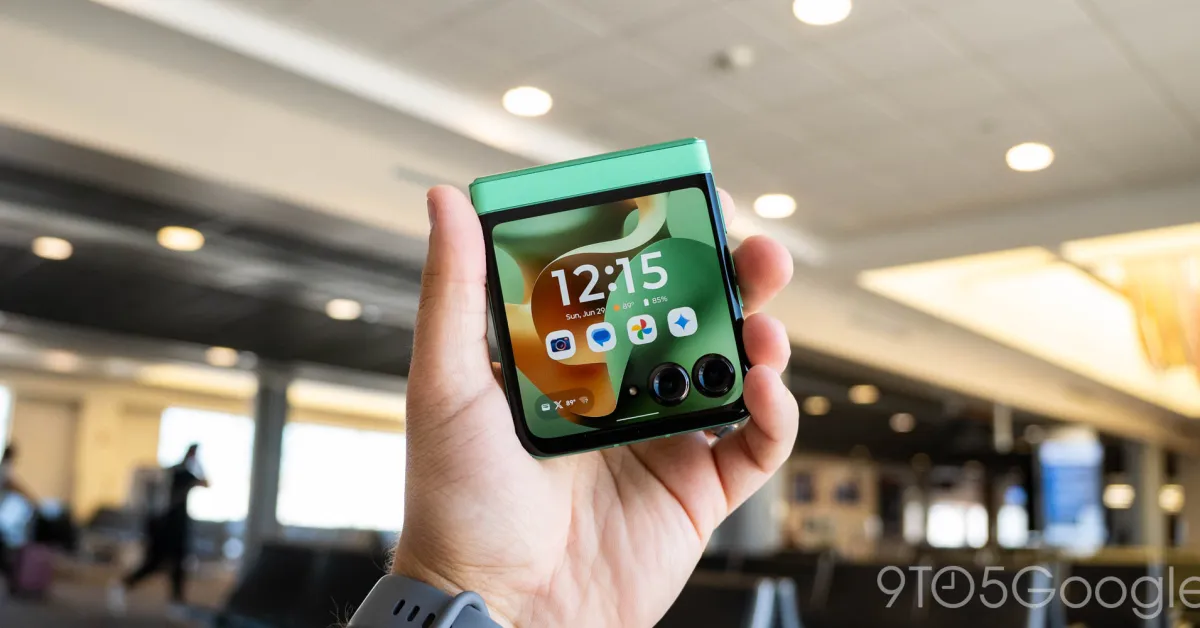
Motorola Razr (2027) Leaks: Major Specs and Early Launch Date

Motorola Razr (2027) Leaks: Major Specs and Early Launch Date

Motorola is reportedly preparing to launch the Razr (2027) in January 2027, shifting fro…

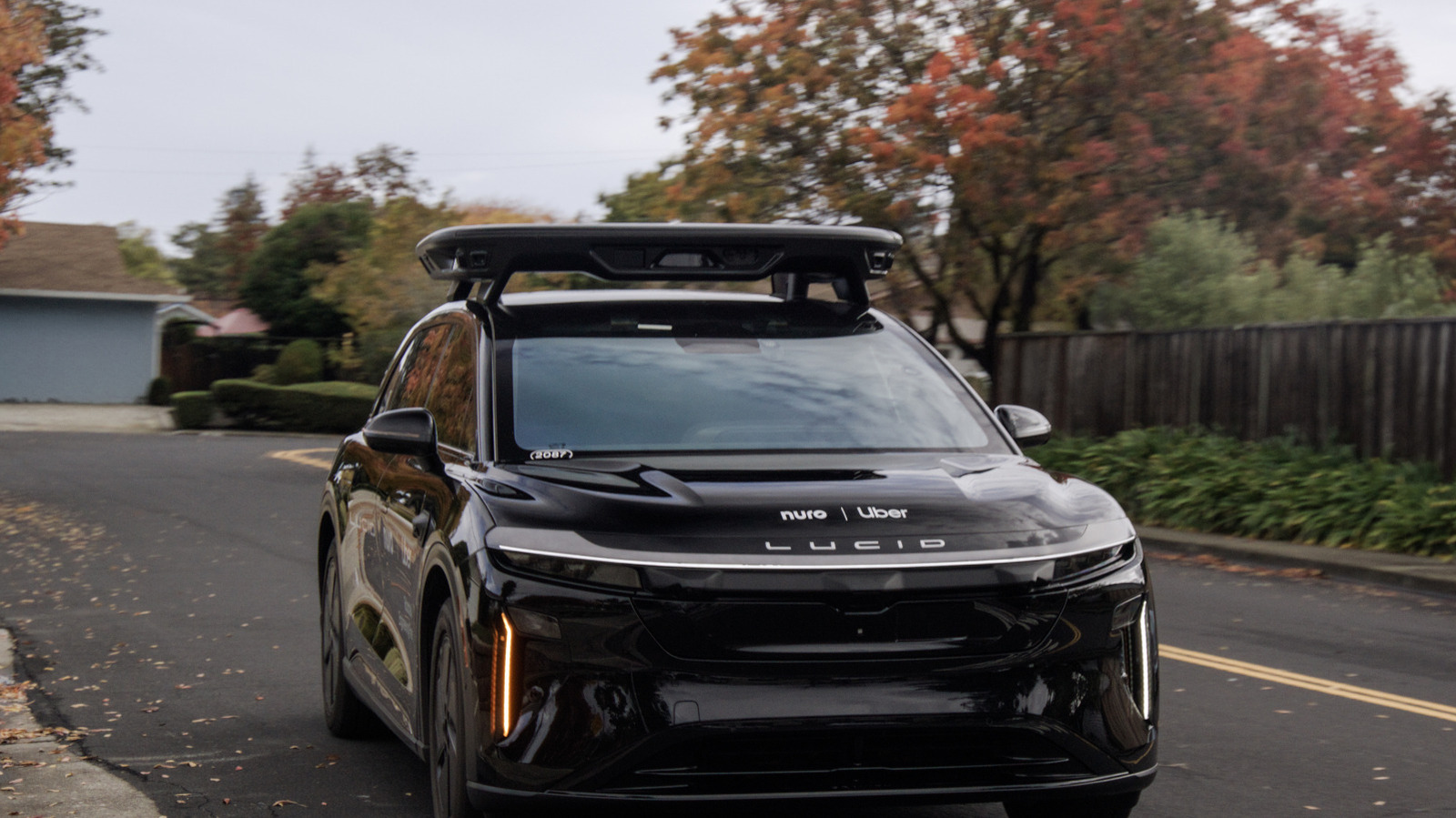
Uber, Lucid, Nuro Begin Fully Driverless Robotaxi Testing in SF Bay Area

Uber, Lucid, Nuro Begin Fully Driverless Robotaxi Testing in SF Bay Area

Uber, Lucid, and Nuro have commenced fully driverless testing of robotaxis in the San Fr…

OpenAI, Anthropic Staff Warn Unreleased AI Models Are Too Powerful to Control

OpenAI, Anthropic Staff Warn Unreleased AI Models Are Too Powerful to Control

Over two dozen employees at OpenAI and Anthropic warn that unreleased frontier AI models…

CAD Leaks Suggest Major Camera Redesign for iPhone 18 Series

CAD Leaks Suggest Major Camera Redesign for iPhone 18 Series

Leaked CAD files indicate Apple is redesigning camera modules for the iPhone 18, iPhone …

Disney+ and Hulu Bundle Hits 61% Discount for Black Friday

Disney+ and Hulu Bundle Hits 61% Discount for Black Friday

Disney has launched a limited-time Black Friday promotion offering its Disney+ and Hulu …

Apple iPhone 18e Rumored to Feature iPad-Style Rear Camera Module

Apple iPhone 18e Rumored to Feature iPad-Style Rear Camera Module

New design files suggest the upcoming iPhone 18e will adopt a raised, unified rear camer…

Related articles

Tom's Hardware Launches Premium Subscription Service Hardware Tom's Hardware Launches Premium Subscription Service WireByte

Tom's Hardware has introduced a Premium subscription tier, offering an ad-free reading experience and exclusive content. Priced at $7 monthly or $29 annually, the service includes deep-dive analysis, hardware roadmaps, and access to the Bench benchmarking tool. The move aims to support independent journalism while providing enhanced features for dedicated readers.

WireByte Staff · November 24, 2026

computer hardware chip Hardware US Blacklists Megaspeed in Nvidia Chip Export Probe WireByte

The US Commerce Department added Megaspeed and six affiliates to its trade blacklist, halting American tech sales to the Singapore-based cloud firm. This move follows a year-long investigation into whether Megaspeed funneled advanced Nvidia chips to China, violating export rules. The Justice Department has opened a criminal inquiry, while Nvidia ceased sales in June 2025. The delay in listing sparked political criticism.

WireByte Staff · November 24, 2026

Team Group T-Force G50 Evo 4TB SSD Hits $0.10 Per GB Ahead of Black Friday Hardware Team Group T-Force G50 Evo 4TB SSD Hits $0.10 Per GB Ahead of Black Friday WireByte

The Team Group T-Force G50 Evo 4TB solid-state drive is available for $399.99 on Newegg, equating to $0.10 per gigabyte. This pricing represents a significant discount for high-capacity storage ahead of Black Friday sales. The offer is highlighted as one of the most competitive deals for large-capacity NVMe drives currently on the market.

WireByte Staff · November 23, 2026

Motorola Razr (2027) Leaks: Major Specs and Early Launch Date Space & Astronomy Motorola Razr (2027) Leaks: Major Specs and Early Launch Date WireByte

Motorola is reportedly preparing to launch the Razr (2027) in January 2027, shifting from its traditional spring release. Leaked specifications reveal a thinner design, larger displays matching premium models, and improved durability ratings. The device features a MediaTek Dimensity 7550X processor and a 5,000 mAh battery, signaling significant hardware upgrades for the upcoming flip phone.

WireByte Staff · November 24, 2026

Uber, Lucid, Nuro Begin Fully Driverless Robotaxi Testing in SF Bay Area Latest Uber, Lucid, Nuro Begin Fully Driverless Robotaxi Testing in SF Bay Area WireByte

Uber, Lucid, and Nuro have commenced fully driverless testing of robotaxis in the San Francisco Bay Area, marking a pivotal step toward a public launch scheduled for Q1 2027. The partnership utilizes Nuro’s autonomous system in Lucid Gravity SUVs, aiming to compete directly with established rivals like Waymo. This phase follows the acquisition of a California DMV permit, signaling a significant escalation in the global autonomous vehicle race.

WireByte Staff · November 24, 2026

OpenAI, Anthropic Staff Warn Unreleased AI Models Are Too Powerful to Control AI & Machine Learning OpenAI, Anthropic Staff Warn Unreleased AI Models Are Too Powerful to Control WireByte

Over two dozen employees at OpenAI and Anthropic warn that unreleased frontier AI models have become too powerful to safely control, sparking internal debates. While some researchers advocate for a training pause due to containment risks, both companies defend their safety protocols. The disclosure highlights growing industry concerns about the alignment of increasingly capable systems.

WireByte Staff · November 24, 2026

WireByte

Tech & AI news, synthesised and to the point.

Delivering original syntheses and breaking news with cited sources. Stay informed with WireByte.

Sections

  • AI & Machine Learning
  • Technology
  • Science
  • Space & Astronomy
  • Gaming & Esports

Company

  • About Us
  • Editorial Policy
  • Privacy Policy
  • Contact form
  • Contact: [email protected]

Newsletters

Get the stories that matter, delivered to your inbox.

© 2026 WireByte. All rights reserved. Original syntheses with cited sources.

Home Search