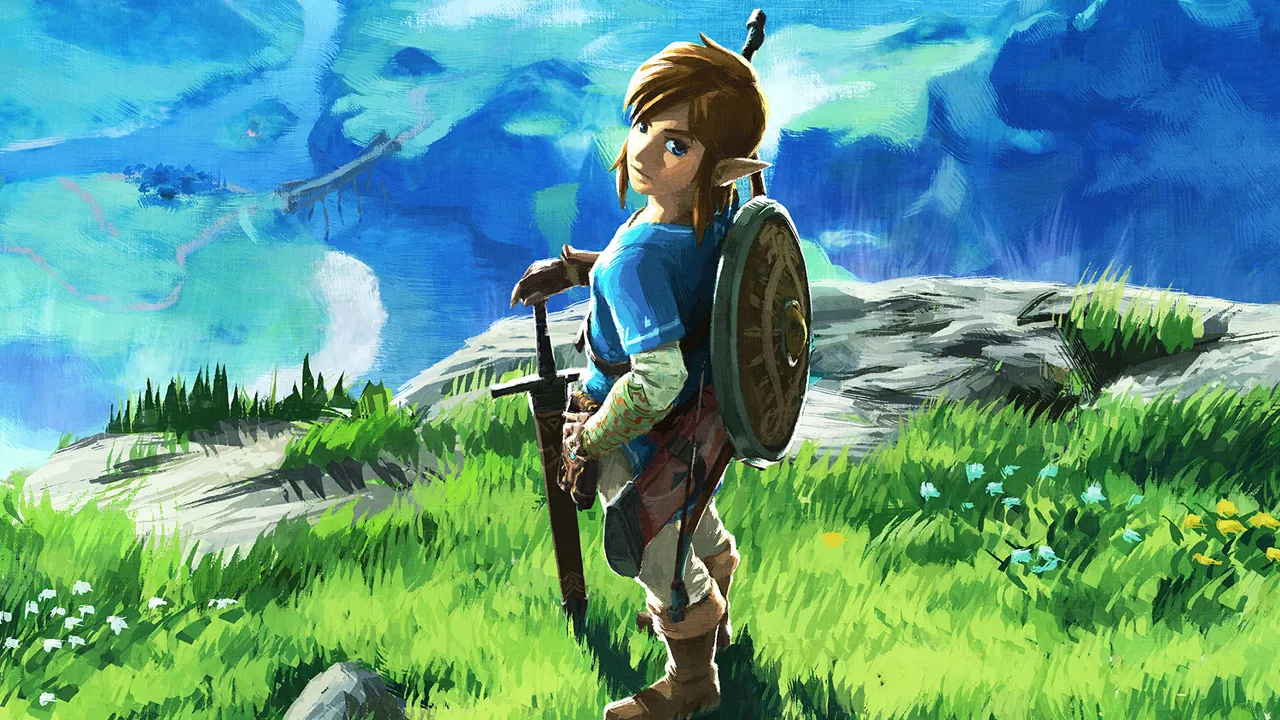
Former Nintendo Execs: Breath of the Wild Saved Zelda From Decline
Former Nintendo marketing leads Kit Ellis and Krysta Yang state The Legend of Zelda series faced declining sales and dwindling fans before Breath of the Wild. They argue the open-world shift revitalized the franchise, countering fan nostalgia for classic dungeon-focused designs. This context emerges as Ocarina of Time’s remake sells over 5.2 million copies on Switch 2.
Key points
- Kit Ellis and Krysta Yang, former Nintendo marketing executives, revealed the Zelda series faced dwindling playerbases and low sales prior to Breath of the Wild.
- The duo argues the open-world formula introduced in Breath of the Wild saved the franchise from irrelevance rather than ruining its classic identity.
- Ocarina of Time’s remake has sold over 5.2 million copies, marking the highest global sales for any Nintendo-published Switch 2 game in its first four days.
- The remake is the second-highest selling Switch 2 title, trailing only Mario Kart World, which has moved over 16 million copies.
- Ellis and Yang criticized 'revisionist history' among fans who believe Nintendo abandoned popular classic dungeon formats at their peak popularity.
A Franchise on the Brink
The Legend of Zelda series stood on the precipice of irrelevance long before its 2017 reinvention. According to former Nintendo marketing executives Kit Ellis and Krysta Yang, the franchise was in "dire straits" characterized by shrinking audiences and stagnant sales. Speaking on the latest episode of their podcast, the pair dismantled the nostalgic narrative that Nintendo abandoned beloved classic dungeon-focused designs while the series was at its commercial peak. Instead, they present a stark reality: the traditional formula was failing to attract new players or retain existing ones.
Ellis, who served as Nintendo of America’s director of social media marketing and original content, and Yang, senior manager of creator relations and original content, both spent over a decade at the company. Their insights provide critical context to the ongoing debate regarding the direction of future Zelda titles. As fans debate the merits of open-world exploration versus linear dungeon crawling, the executives emphasize that the shift was a necessary survival strategy rather than an arbitrary creative choice made during a golden era.
The Reality of Focus Groups
The transition away from traditional structures was driven by hard data from internal testing. Ellis recalled attending focus groups that revealed a "dark moment" for the development team. The feedback was unequivocal: the fanbase was dwindling, and the existing games were failing to bring in new players. Yang described the atmosphere as "depressing," noting that the player base was shrinking with each subsequent release. This decline indicated that the series risked losing relevance entirely if it did not evolve its gameplay mechanics and world design.
The executives strongly refuted the idea that Breath of the Wild ruined the series. On the contrary, they argue that the open-world approach saved the franchise from a loss of cultural significance. By embracing a new design philosophy, Nintendo was able to re-engage the audience and attract a broader demographic. This strategic pivot proved essential for the long-term health of one of gaming’s most iconic properties, ensuring it remained a cornerstone of Nintendo’s ecosystem.
Modern Success and Remake Sales
The impact of that strategic shift is evident in the current market performance of Zelda titles. The recent release of The Legend of Zelda: Ocarina of Time’s remake for the Nintendo Switch 2 has been a massive commercial success. The game has already sold more than 5.2 million copies globally. Nintendo confirmed that this figure represents the highest global sales for any Nintendo-published Nintendo Switch 2 game in its first four days of release.
Furthermore, Ocarina of Time stands as the second-highest selling title on the Switch 2 platform. It trails only Mario Kart World, which has moved over 16 million copies. The remake has received effusive praise from critics, who argue that the revamp strengthens the elements that made the original one of the best games ever made. This success highlights the enduring appeal of the franchise’s legacy, even as the core series continues to evolve.
The Debate Continues
Despite the commercial success of both the original open-world entries and the classic-style remake, the debate over the "right" way to make a Zelda game persists. Some fans argue that the open-world formula introduced in Breath of the Wild should be abandoned in favor of the series’ classic dungeon-focused design. However, Ellis and Yang’s comments suggest that such a pivot would ignore the lessons learned from the franchise’s previous struggles.
The executives’ statements serve as a reminder that the series’ evolution was driven by necessity. The "dire straits" of the past were a clear signal that the traditional model was no longer sufficient. As Nintendo looks to the future, the balance between honoring the series' history and innovating for new audiences remains a critical challenge. The success of Ocarina of Time proves that classic elements still resonate, but the foundation of the modern era was built on the need to expand and adapt.
Key takeaways
- Former Nintendo marketing leads Kit Ellis and Krysta Yang state the Zelda series faced declining sales and dwindling fans before Breath of the Wild.
- The duo argues the open-world formula introduced in Breath of the Wild saved the franchise from irrelevance rather than ruining its classic identity.
- Ocarina of Time’s remake has sold over 5.2 million copies, marking the highest global sales for any Nintendo-published Switch 2 game in its first four days.
- The remake is the second-highest selling Switch 2 title, trailing only Mario Kart World, which has moved over 16 million copies.
- Ellis and Yang criticized 'revisionist history' among fans who believe Nintendo abandoned popular classic dungeon formats at their peak popularity.
Sources
The WireByte editorial team synthesises technology news from multiple primary sources, verifies the facts, and links every source. Articles are produced with AI assistance and reviewed under our editorial policy.