Fitbit Edge Review: Comfortable Tracker Lacks Key Features at $180
Google’s $180 Fitbit Edge offers a comfortable design, quality display, and multi-day battery life but disappoints with missing features and sluggish software. Positioned between the Fitbit Air and Pixel Watch, it fails to deliver a compelling middle ground. Users cite slow interfaces and limited health data as drawbacks, making it a harder recommendation than anticipated.
Key points
- Google released the Fitbit Edge, a $180 wearable positioned between the Fitbit Air and Pixel Watch.
- The device features a comfortable lightweight design, a proper touchscreen, and approximately seven days of battery life.
- Reviewers criticize the software for being slow, clunky, and lacking native integration with the Google Health app.
- Key features such as UV index tracking, sunset times, and robust notification replies are absent.
- Analysts and users find the fitness tracking experience lackluster, questioning its value against competitors.
A Middle Ground That Misses the Mark
Google has introduced the Fitbit Edge, a new wearable device priced at $180, aiming to bridge the gap between the basic Fitbit Air and the more advanced Pixel Watch. The company’s intention was to create a hybrid that combines the superior comfort and battery life of the Air with the interactive touchscreen experience of the Pixel Watch. However, early assessments suggest that the device struggles to fulfill this promise, offering a mix of strengths and significant omissions that leave many users underwhelmed. The Edge is not a full smartwatch replacement, nor is it a simple tracker, landing it in a confusing middle ground that fails to excite potential buyers.
Design and Hardware Strengths
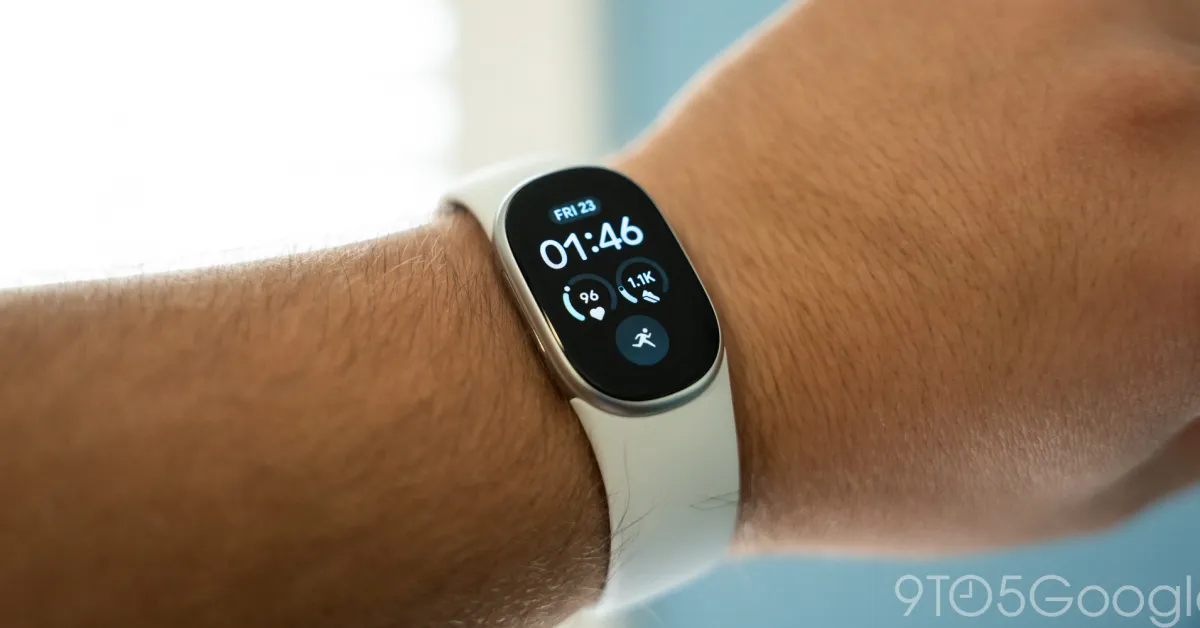
The hardware foundation of the Fitbit Edge is undeniably strong. It retains the supremely comfortable, lightweight design that made the Fitbit Air a favorite among users who prioritize wearability. The device features a proper touchscreen, a step up from the non-interactive displays of previous basic trackers. Battery performance is also a highlight, with the device lasting approximately seven days on a single charge. This longevity addresses one of the primary pain points for smartwatch users who dread daily charging. The display quality is reported as solid, providing clear visibility for basic information without draining the battery.
Software and Interface Frustrations
Despite the hardware merits, the software experience has drawn sharp criticism. The user interface is described as slow, clunky, and clearly not native to the updated Google Health app. While the visual design has been updated to resemble the modern Google Health aesthetic, with a dozen clock faces inspired by the Pixel Watch, the underlying performance lags. Users report that navigating the menu is sluggish, undermining the premium feel of the touchscreen. The software feels like an afterthought, patched onto an older framework rather than built from the ground up for the new era of Google wearables.
Missing Features and Data Limitations
A significant source of disappointment is the lack of key features found in both the Air and the Pixel Watch. The Edge does not support Gemini integration on the wrist, nor does it offer multiple ways to reply to notifications. Health data is also limited; while basic fitness tracking is present, advanced metrics such as UV index and sunset times are missing from the complications. These omissions make the device feel incomplete for users seeking comprehensive health insights. The fitness tracking suite itself is described as lackluster, failing to provide the depth of data that competitors offer at similar price points.
Market Positioning and Consumer Reaction
At $180, the Fitbit Edge is priced at the lower end of Google’s wearable lineup. This pricing strategy was intended to make it an accessible entry point for smartwatch features. However, the combination of high cost and low feature set has led to negative consumer reactions. Many users feel that the device is too expensive for what it offers, yet too limited to compete with cheaper trackers or more feature-rich smartwatches. The consensus among reviewers is that the Edge is a trickier recommendation than initially hoped, with many advising consumers to look elsewhere for better value.
What Happens Next
Google’s entry into this mid-range segment faces an uphill battle. The Fitbit Edge’s mixed reception highlights the challenges of creating a hybrid device that satisfies both tracker and smartwatch users. If Google fails to address the software sluggishness and add missing health metrics in future updates, the device may struggle to gain traction. The market is crowded with options that either offer better battery life or more robust smart features, leaving the Edge in a precarious position. Consumers are likely to remain cautious until Google clarifies the device’s unique value proposition.
Key takeaways
- Google’s Fitbit Edge is priced at $180 and aims to bridge the gap between the Fitbit Air and Pixel Watch.
- The device offers a comfortable design, touchscreen, and seven-day battery life but suffers from slow software.
- Key features like UV index tracking, sunset times, and Gemini integration are missing from the device.
- Users criticize the clunky interface and lackluster fitness tracking, questioning the device's value.
- The Fitbit Edge is positioned as a mid-range option but faces stiff competition from cheaper and more advanced alternatives.
Sources
The WireByte editorial team synthesises technology news from multiple primary sources, verifies the facts, and links every source. Articles are produced with AI assistance and reviewed under our editorial policy.