EU One-Year Review: Smartphone Repairability Rules Show Mixed Results
One year after the EU implemented Ecodesign rules requiring smartphone manufacturers to supply spare parts for seven years, progress is evident but incomplete. While availability mandates are active, experts note lingering issues regarding repair costs and design barriers. Laptops remain excluded from these specific regulations, highlighting a gap in the bloc's broader sustainability goals for consumer electronics.
Key points
- The European Union implemented Ecodesign requirements in June 2025, mandating that smartphone manufacturers provide spare parts such as screens and batteries for at least seven years after a model is discontinued.
- Manufacturers are required to deliver these parts within five working days for the first five years of availability, extending to ten days for the remaining two years.
- Despite these mandates, experts indicate that repair costs and design barriers remain significant hurdles, meaning devices have not become universally easy to fix.
- Laptops are currently excluded from these specific smartphone-focused regulations, although other EU rules apply to them, creating a disparity in repairability standards across device categories.
- The rules stop short of forcing manufacturers to achieve perfect repairability scores, focusing instead on parts availability and information disclosure rather than fundamental design overhauls.
EU Repair Mandates Enter First Year
One year has passed since the European Union enforced its new Ecodesign requirements, a pivotal moment for the global push toward sustainable consumer electronics. Implemented in June 2025, these regulations represent a significant legislative step aimed at extending the lifespan of smartphones and certain tablets. The primary objective is to shift the industry away from a disposable culture by ensuring that devices can be repaired rather than replaced. While the rules do not mandate that devices achieve perfect repairability scores on independent scales, they establish a legal floor for parts availability and information transparency that manufacturers must adhere to within the EU market.
Core Obligations for Manufacturers
The heart of the new regulation lies in the mandatory supply of spare parts. Manufacturers are now legally required to make specific components, including screens and batteries, available to consumers and independent repair shops for a minimum of seven years after a specific model is no longer sold in the EU. This long-term availability is designed to prevent planned obsolescence and ensure that older devices remain functional. To support this, the rules impose strict delivery timelines. For the first five years after a device's discontinuation, parts must be delivered within five working days. This window extends to ten working days for the final two years of the seven-year period, balancing logistical challenges with consumer needs.
Persistent Barriers to Repair
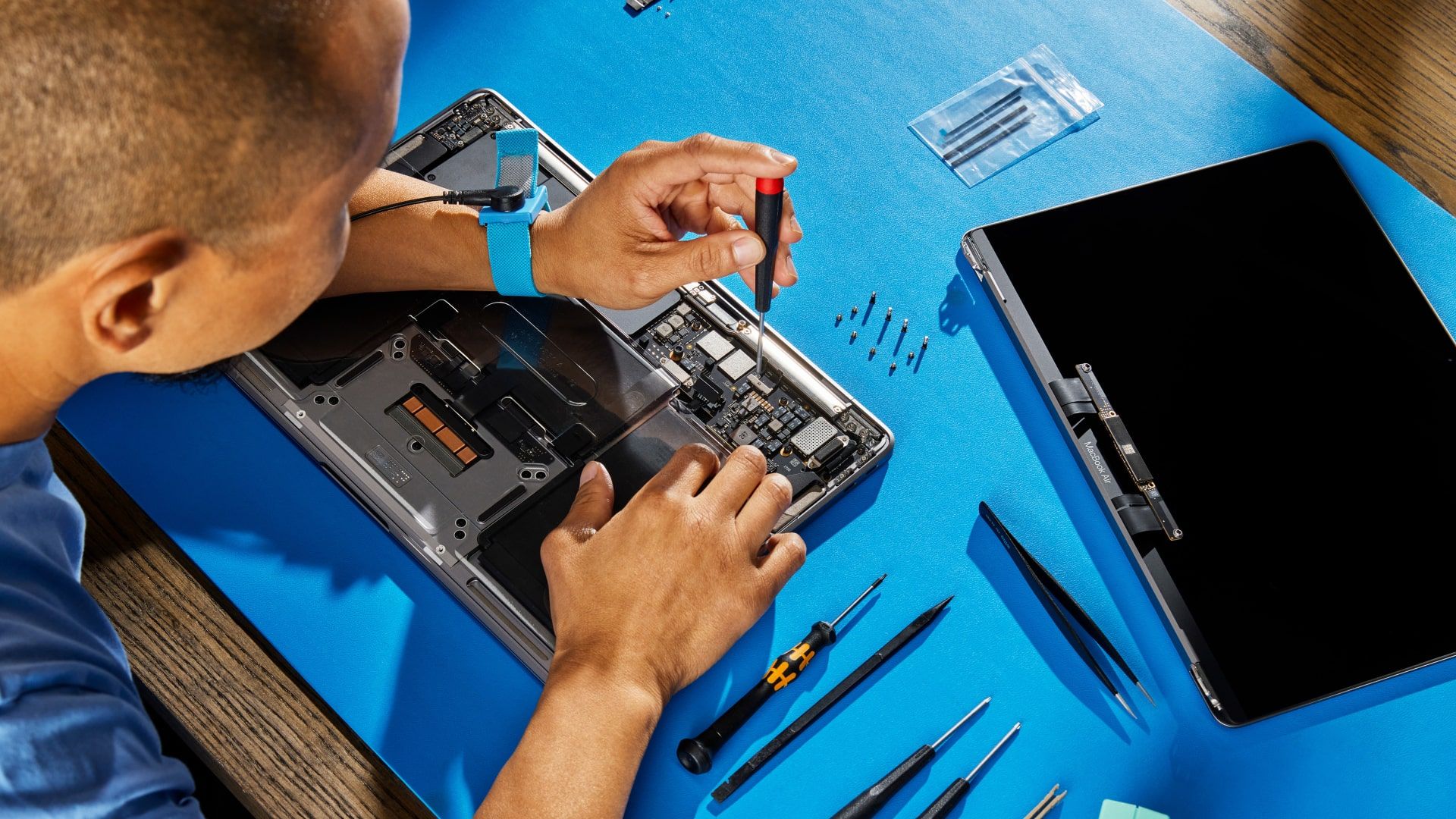
Despite the clear mandates, the practical reality of smartphone repair remains complex. Independent experts consulted by TechRadar note that while the framework is in place, tangible improvements are mixed. The requirement to supply parts does not automatically guarantee that repairs are affordable or straightforward. Design barriers, such as glued components or proprietary screws, often persist, making the physical act of repair difficult even when parts are available. Furthermore, the cost of labor and the complexity of modern device architectures mean that repair bills can still rival the cost of a new device, undermining the economic incentive to repair. The rules focus heavily on availability rather than simplifying the repair process itself, leaving significant questions about the actual ease of use for the average consumer.
The Laptop Exclusion Gap
A notable limitation of the current Ecodesign requirements is their exclusion of laptops. While smartphones and certain tablets are covered by these specific rules, laptops are not. This creates a regulatory gap where the repairability of portable computers is governed by different, potentially less stringent, EU regulations. Advocates for right-to-repair argue that laptops, which are often more expensive and have longer lifespans than smartphones, should be subject to similar parts availability mandates. The absence of laptops from this specific wave of regulation highlights the incremental nature of the EU's approach, addressing one category of electronics at a time rather than implementing a universal standard across all consumer tech.
Global Implications and Future Outlook
The EU's experiment serves as a critical test case for global repairability standards. As the world's largest consumer market, the EU's regulations often set de facto global standards, influencing manufacturers' design choices worldwide. If the current rules prove effective in reducing e-waste and extending device lifespans, they may encourage other regions to adopt similar measures. However, the mixed results after one year suggest that legislative mandates alone are insufficient. Future iterations of the Ecodesign directive will likely need to address design simplicity and cost barriers more directly. For now, the focus remains on monitoring the impact of parts availability and determining whether the seven-year supply mandate is sufficient to drive a meaningful shift in consumer behavior and industry practices.
Key takeaways
- The EU's Ecodesign rules require smartphone manufacturers to supply spare parts for seven years post-discontinuation.
- Delivery timelines for parts are set at five working days initially, extending to ten days in later years.
- Laptops are excluded from these specific regulations, leaving a gap in repairability standards for portable computers.
- Experts note that parts availability does not automatically solve issues with repair costs or design complexity.
- The regulations mark a significant but incremental step in the EU's broader sustainability and right-to-repair agenda.
Sources
The WireByte editorial team synthesises technology news from multiple primary sources, verifies the facts, and links every source. Articles are produced with AI assistance and reviewed under our editorial policy.