Drivers Reject Complex Tech, Seek Simple 'Dumb' Cars
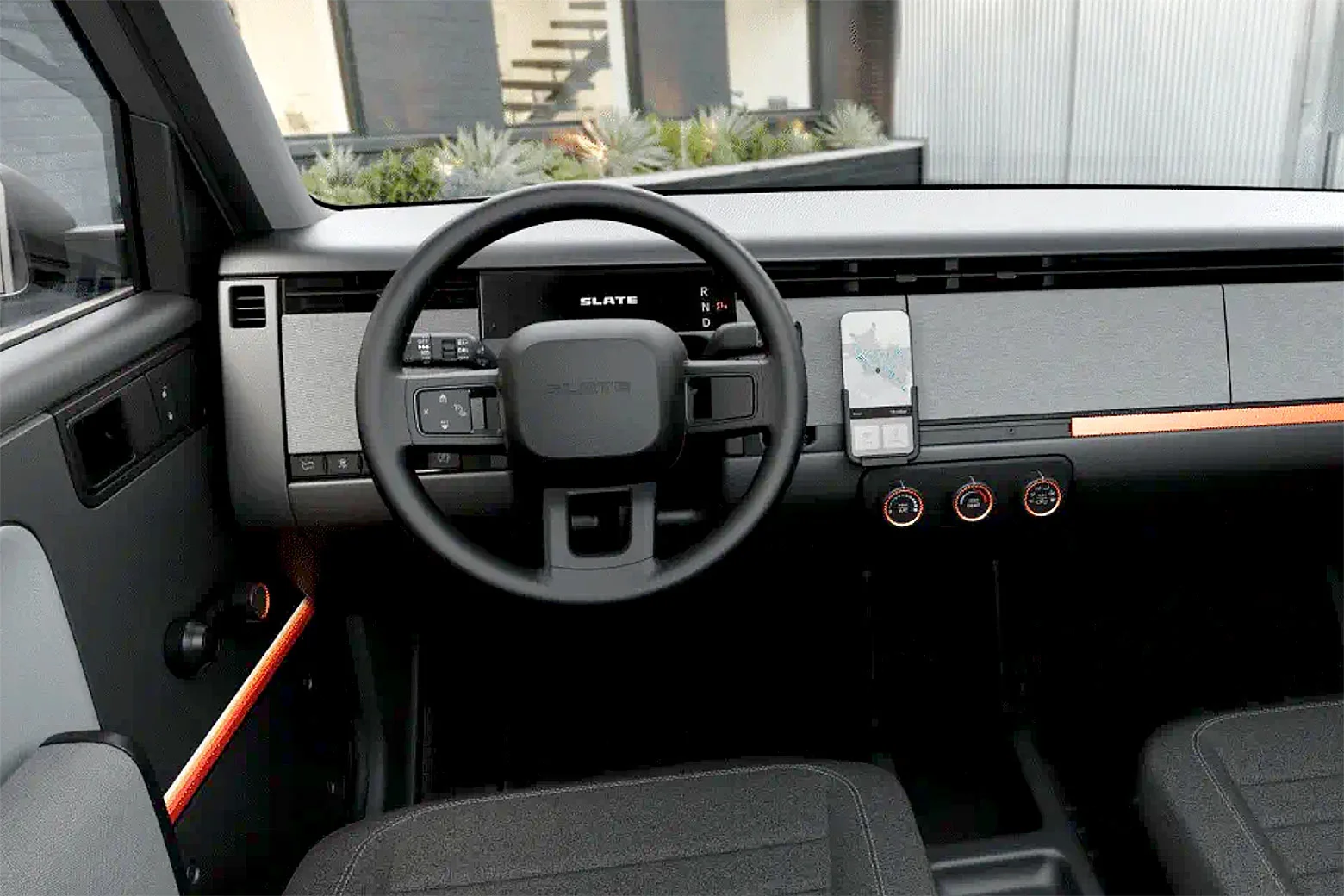
Growing consumer frustration with expensive, feature-heavy vehicles is driving a renewed demand for affordable, mechanically simple cars. Despite being part of a digitally native generation, younger drivers increasingly prefer basic models over complex electric SUVs with intrusive touchscreens. This shift signals a potential market correction where automakers may need to prioritize usability and lower costs over technological bloat to regain customer trust.
Key points
- Consumers are increasingly rejecting complex infotainment systems and subscription models in favor of simpler, more affordable vehicles.
- Younger drivers, including the digitally native generation, are showing a strong preference for basic mechanical cars over high-tech electric SUVs.
- Modern vehicles often suffer from complicated interfaces that make basic tasks like phone connectivity frustrating and time-consuming.
- Automakers face a market shift where usability and price sensitivity may outweigh the appeal of advanced digital features.
- The trend highlights a disconnect between manufacturer innovation strategies and actual driver preferences for reliability and simplicity.
The Rise of the 'Dumb' Car
A significant shift is occurring in the automotive market as consumers increasingly reject the complex, technology-laden vehicles that have dominated the industry for the past two decades. Drivers are expressing growing frustration with rising prices, intrusive touchscreens, and mandatory subscriptions, leading to a renewed demand for affordable, mechanically simple cars. This trend challenges the industry's long-standing assumption that more technology always equals more value, suggesting instead that usability and simplicity are becoming key purchasing factors.
Generational Shift in Preferences
The desire for simpler vehicles is not limited to older demographics. Even among younger, digitally native generations, there is a marked preference for basic cars over high-tech models. For instance, a 16-year-old driver with access to a 2023 Fisker Ocean, an electric SUV equipped with a solar panel, a rotating center touchscreen, and remote window controls, consistently chooses a 2005 Honda Element. The older model, lacking Bluetooth and advanced digital features, is preferred for its straightforward functionality and potential for customization, such as adding a wooden plank for camping. This behavior indicates that contempt for in-vehicle tech has become a badge of honor among some younger drivers.
The Frustration with Modern Infotainment
The core of the issue lies in the complexity of modern infotainment systems. Drivers frequently struggle with complicated interfaces just to perform basic tasks, such as connecting a smartphone. The reliance on touchscreens for essential functions, combined with annoying auditory feedback and unintuitive menus, has created a negative user experience. This frustration is compounded by the fact that many new vehicles require subscriptions for features that were once standard or included in the purchase price, further alienating customers who feel they are paying for convenience that does not work as expected.
Market Implications for Automakers
This growing dissatisfaction poses a challenge for automakers who have heavily invested in software and digital features as differentiators. The trend suggests that the industry may need to recalibrate its strategy, focusing more on reliability, ease of use, and affordability rather than technological bloat. If consumers continue to favor simpler vehicles, manufacturers may need to offer more basic models or simplify their existing high-tech offerings to regain customer trust. The success of older, simpler models in the used car market, such as the Honda Element, highlights the enduring appeal of straightforward automotive design.
Future of Vehicle Design
As the market evolves, the definition of a desirable car is likely to change. The preference for 'dumb' cars does not necessarily mean a rejection of all technology, but rather a demand for technology that works seamlessly and does not interfere with the driving experience. Automakers that can balance innovation with usability, offering vehicles that are both modern and simple, may find themselves in a stronger position. This shift could lead to a resurgence of mechanically focused designs, where the joy of driving is prioritized over digital connectivity.
Key takeaways
- Consumers are increasingly frustrated with complex infotainment systems and subscription models in new vehicles.
- Younger drivers are showing a strong preference for basic, mechanically simple cars over high-tech electric SUVs.
- The trend suggests a potential market correction where usability and price are prioritized over technological features.
- Automakers may need to simplify their vehicle designs to meet growing consumer demand for straightforward functionality.
- The success of older models like the Honda Element highlights the enduring appeal of simple, reliable automotive design.
Sources
The WireByte editorial team synthesises technology news from multiple primary sources, verifies the facts, and links every source. Articles are produced with AI assistance and reviewed under our editorial policy.