DHS Data Leak Exposes 41,000 Workers and ICE Operations
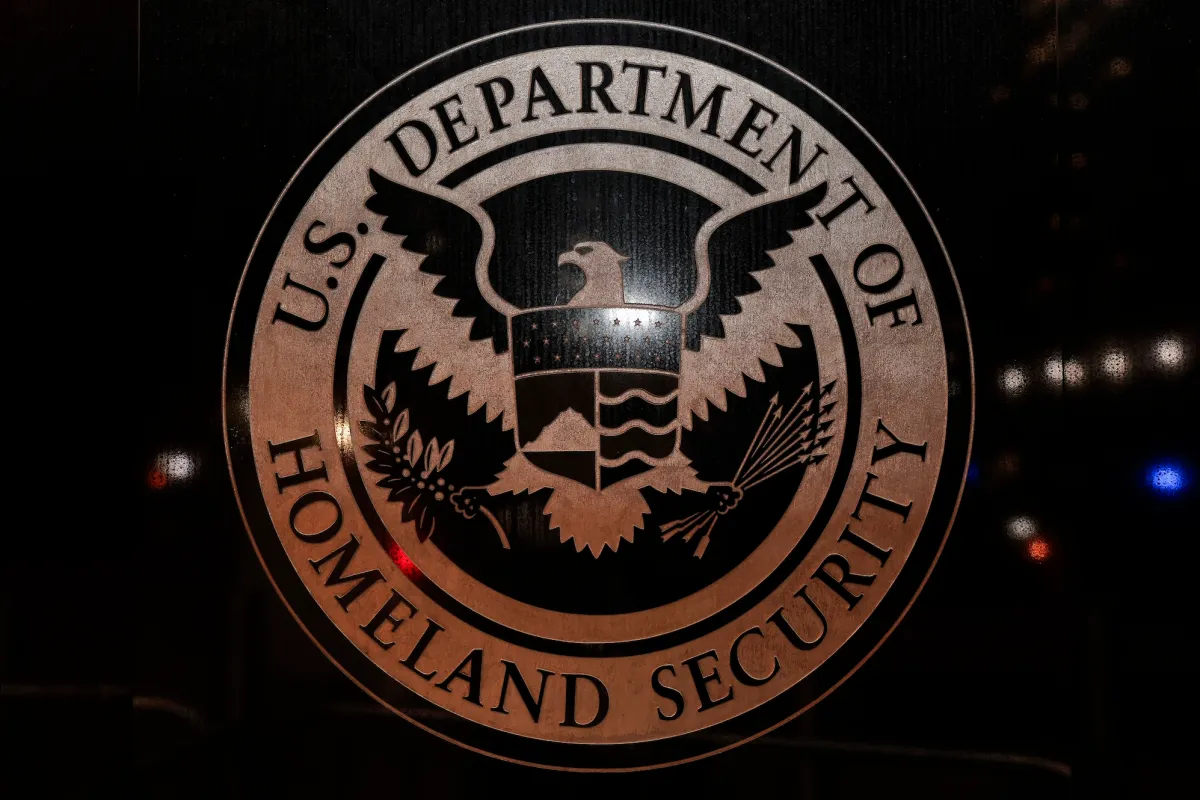
A hacker group called Department of Peace has published records from a breach of the U.S. Department of Homeland Security's Okta login system. The leak contains personally identifiable information for over 41,000 employees, including undercover ICE agents and CBP personnel. The incident raises significant security concerns regarding the exposure of sensitive surveillance programs and internal infrastructure.
Key points
- The Department of Peace, a hacker group, published a dataset named 'Icepick' containing records from the U.S. Department of Homeland Security's Okta single sign-on system.
- The leak exposes personally identifiable information for more than 41,000 employees and contractors, including names, job titles, phone numbers, and office addresses.
- Specific agencies affected include U.S. Customs and Border Protection with 21,000 records, Immigration and Customs Enforcement with 10,000 records, and the Cybersecurity and Infrastructure Security Agency with nearly 1,000 records.
- The data reveals details about undercover operations, wiretap programs, and the use of third-party technologies such as Palantir software and xAI’s Grok chatbot.
- Distributed Denial of Secrets, which verified the data, stated the records were last updated on August 19, 2026, while Okta has not confirmed a breach of its own systems.
Massive Data Breach at Homeland Security Exposes Thousands
A significant cybersecurity incident involving the U.S. Department of Homeland Security (DHS) has come to light, revealing the exposure of sensitive personnel data for more than 41,000 individuals. The breach, which includes information on active undercover agents and high-level officials, was disclosed by the transparency nonprofit Distributed Denial of Secrets (DDoSecrets) and cybersecurity researcher maia arson crimew. They obtained the data from a group identifying itself as the Department of Peace, which published the archive under the name "Icepick" on Wednesday.
The leaked dataset provides a comprehensive map of the DHS organizational structure and its operational methods. It contains personally identifiable information such as email addresses, cell phone numbers, and office locations for employees across the department and its seven component agencies. The records are particularly sensitive because they include details about undercover and surveillance programs, offering insight into how the department conducts its internal security and intelligence gathering.
Scope of the Compromised Data
The sheer volume of the leak affects a wide spectrum of federal personnel. More than half of the dataset, comprising approximately 21,000 records, relates to employees of U.S. Customs and Border Protection (CBP), who are stationed at airports and other ports of entry. Another 10,000 records belong to employees of Immigration and Customs Enforcement (ICE) and its Homeland Security Investigations (HSI) unit. Additionally, the leak includes nearly 1,000 records associated with the U.S. Cybersecurity and Infrastructure Security Agency (CISA), as well as staff from the DHS headquarters and other offices.
Beyond basic contact information, the data includes IT and login records associated with employee user accounts. These records detail which internal systems and applications employees are permitted to access. This level of technical detail could potentially aid malicious actors in targeting specific individuals or gaining unauthorized access to sensitive government networks. The data was last updated on August 19, 2026, indicating the breach occurred earlier in the year but remained undisclosed until now.
Origins and Attribution
The Department of Peace claims to have obtained the data from the DHS's Okta single sign-on system. Okta is a widely used identity and access management platform that allows employees across various agencies to log into the central network. By compromising this single point of entry, the hackers were able to extract a vast amount of interconnected data. In a note accompanying the files, the hackers wrote, "They have our information, so it's only fair that we have theirs," suggesting a motive rooted in retaliation or ideological opposition to the department's activities.
Official Responses and Verification
Distributed Denial of Secrets verified the authenticity of the data before publishing it. The organization highlighted the inclusion of references to internal systems and sensitive information on wiretap programs, as well as the use of third-party technologies like Palantir software and xAI’s Grok chatbot. These details underscore the breadth of the DHS's digital footprint and its reliance on external commercial tools for surveillance and data analysis.
Okta, the provider of the login system, has not confirmed that its systems were breached. An Okta spokesperson stated that the company is unaware of any breach of its systems. This discrepancy between the hackers' claims and Okta's official stance leaves the exact vector of the attack unclear. It is possible that the DHS's implementation of Okta was compromised, or that the attackers exploited a vulnerability within the department's own infrastructure rather than Okta's core platform.
Implications for National Security
The exposure of undercover ICE agents and detailed operational data poses significant risks to national security and individual safety. The leak not only endangers the lives of agents but also compromises ongoing investigations and surveillance efforts. The inclusion of data on wiretap programs and the use of specific AI tools like Grok highlights the intersection of traditional law enforcement and modern technological capabilities.
The incident has raised questions about the security protocols within the DHS and the broader federal government. The use of a single sign-on system for such a large and diverse workforce creates a high-value target for cybercriminals. The breach serves as a stark reminder of the vulnerabilities inherent in centralized digital infrastructure and the potential consequences of data leaks in the realm of national security.
Key takeaways
- The Department of Peace published "Icepick," a dataset containing records from the DHS Okta login system.
- Over 41,000 employees and contractors had their personally identifiable information exposed.
- The leak includes data on undercover ICE agents, CBP personnel, and CISA staff.
- Sensitive details on wiretap programs and third-party tech usage were also compromised.
- Okta has not confirmed a breach, leaving the exact attack vector unverified.
- The incident highlights critical vulnerabilities in federal identity management systems.
Sources
The WireByte editorial team synthesises technology news from multiple primary sources, verifies the facts, and links every source. Articles are produced with AI assistance and reviewed under our editorial policy.