Cyber-attacks on Supermarket Freezers Hit Europe, UK Monitors Impact
Hackers have disrupted refrigeration systems across multiple European nations, raising freezer temperatures to 50C and spoiling food stocks. The UK’s National Cyber Security Centre confirmed awareness of similar incidents but stated the national impact remains minimal. Authorities are investigating links to Russian-linked operations and urging retailers to secure legacy technology with default passwords.
Key points
- Cyber-attacks on supermarket refrigeration systems have been reported in Belgium, Estonia, Ireland, Finland, Luxembourg, the Netherlands, and Sweden.
- Hackers manipulated controls to raise freezer temperatures to as high as 50C (122F), causing significant food spoilage in affected regions.
- The UK’s National Cyber Security Centre confirmed awareness of incidents in the UK but stated the national impact is currently minimal.
- Security experts note similarities between these attacks and previous operations linked to Russia, with some incidents involving legacy technology and default passwords.
- The NCSC is working with affected organizations to identify and close technological loopholes to prevent further exploitation by hackers.
Disruption of Cold Chain Logistics Across Europe
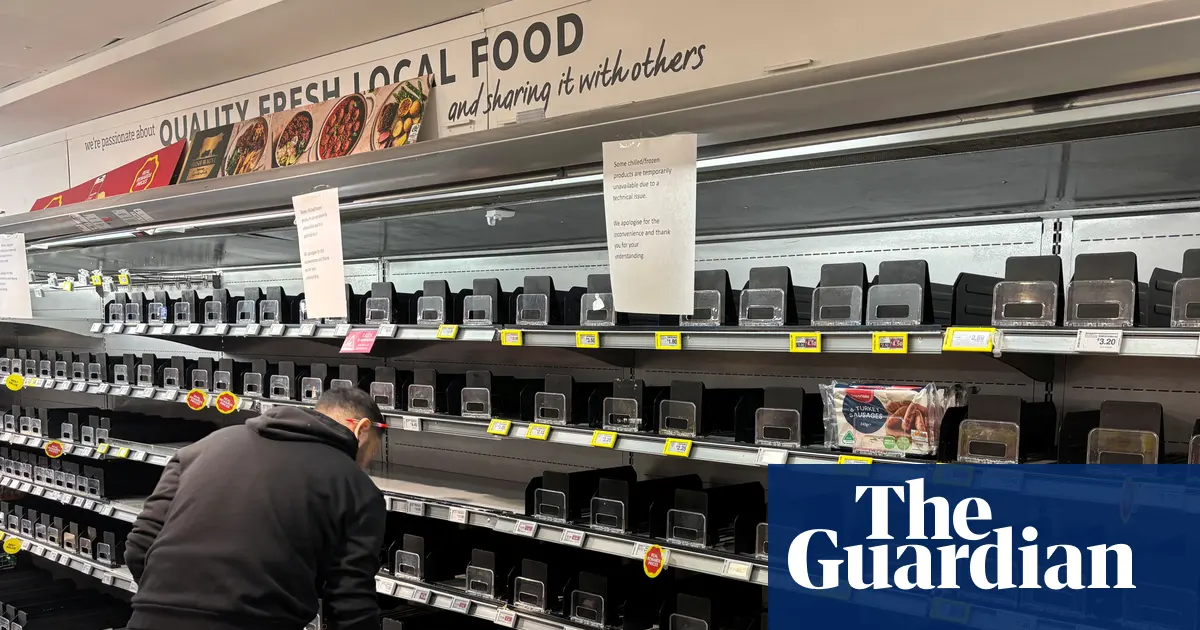
Supermarket chains across several European countries have suffered significant disruptions after cyber-attacks targeted their refrigeration infrastructure. Retailers in Belgium, Estonia, Ireland, Finland, Luxembourg, the Netherlands, and Sweden reported problems with their cooling systems on Monday. The attacks involved hackers gaining unauthorized access to freezer controls, deliberately raising internal temperatures to as high as 50C (122F). This extreme heat has led to the spoilage of perishable goods, causing financial losses and supply chain interruptions for grocery retailers in the affected nations.
UK Authorities Monitor Minimal Impact
In the United Kingdom, the National Cyber Security Centre (NCSC) confirmed it is aware of similar incidents involving UK meat suppliers and other organizations. Paul Chichester, the NCSC’s director of operations, addressed the situation during the launch of the centre’s annual review on Tuesday. He stated that the NCSC is actively working with the affected organizations to mitigate the damage. Despite the awareness of incidents within the UK, Chichester emphasized that the national impact remains minimal at this stage. No major UK grocery chain has confirmed direct, widespread disruption comparable to the European cases.
Links to Russian Operations and Legacy Vulnerabilities
Cybersecurity experts have drawn parallels between these recent attacks and previous malicious operations attributed to Russia. The characteristics of the intrusion suggest a coordinated effort, potentially linked to state-sponsored groups known for targeting critical infrastructure. In France, where similar incidents occurred last month, it was revealed that the attackers exploited legacy technology connected to the internet. These older systems often rely on default passwords, making them vulnerable to unauthorized access. The use of such outdated technology highlights a persistent security gap in the retail sector’s digital infrastructure.
Strengthening Cyber Defenses
The NCSC is collaborating with affected organizations to identify similar loopholes in their technology. The goal is to close these vulnerabilities before hackers can exploit them further. This proactive approach aims to prevent the spread of the attacks to other parts of the supply chain. The incident underscores the importance of securing legacy systems and updating default credentials. Retailers are urged to review their digital security protocols to protect critical infrastructure from future cyber threats.
Key takeaways
- Cyber-attacks on supermarket refrigeration systems have been reported in Belgium, Estonia, Ireland, Finland, Luxembourg, the Netherlands, and Sweden.
- Hackers manipulated controls to raise freezer temperatures to as high as 50C (122F), causing significant food spoilage in affected regions.
- The UK’s National Cyber Security Centre confirmed awareness of incidents in the UK but stated the national impact is currently minimal.
- Security experts note similarities between these attacks and previous operations linked to Russia, with some incidents involving legacy technology and default passwords.
- The NCSC is working with affected organizations to identify and close technological loopholes to prevent further exploitation by hackers.
Sources
The WireByte editorial team synthesises technology news from multiple primary sources, verifies the facts, and links every source. Articles are produced with AI assistance and reviewed under our editorial policy.