Charles Schulz's 1964 Peanuts Election Arc Satirizes Cold War Politics
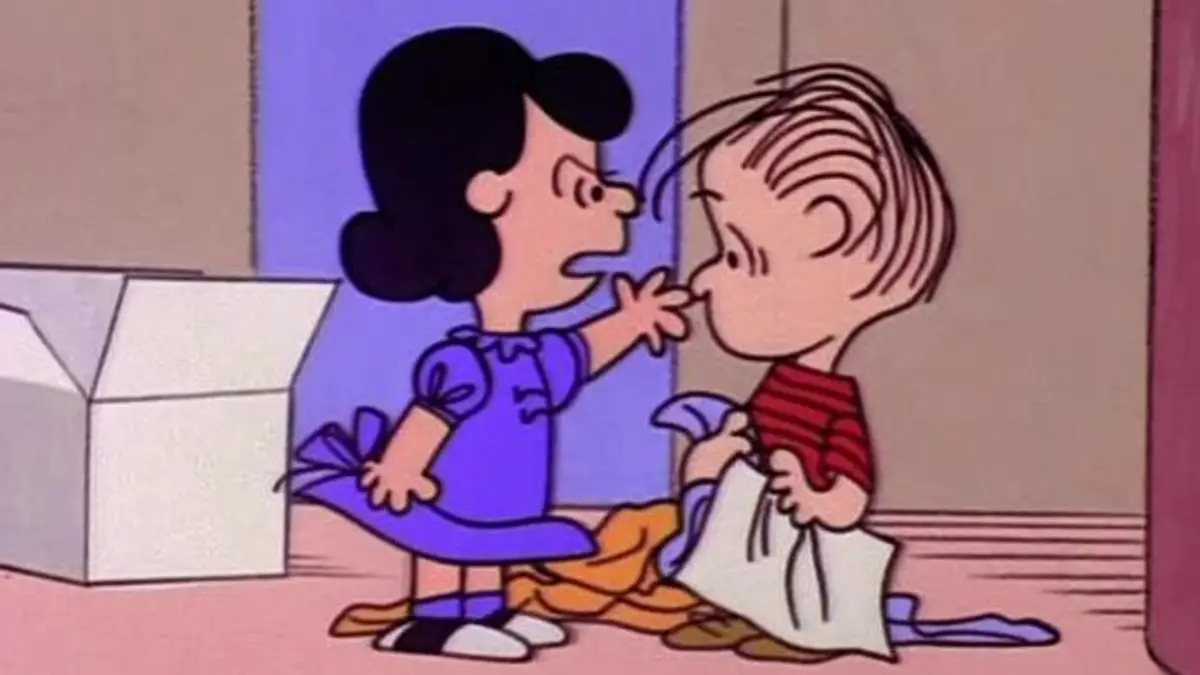
In October 1964, Charles M. Schulz published a 25-strip Peanuts arc where Linus runs for school president amid the US presidential election. The storyline mirrors real-world campaigns, featuring Lucy as campaign manager and Charlie Brown as running mate. Schulz used the narrative to satirize political platitudes and voter behavior during a pivotal historical moment.
Key points
- Charles M. Schulz, the creator of the Peanuts comic strip, launched a 25-day narrative arc beginning October 5, 1964.
- Linus van Pelt runs for school president with his sister Lucy serving as campaign manager and Charlie Brown as his running mate.
- The storyline parallels the 1964 US presidential election between Lyndon B. Johnson and Barry Goldwater, reflecting contemporary political themes.
- Linus achieves 92 percent support in polls before a dramatic shift in the campaign narrative on October 21, 1964.
- Schulz utilized the format to critique political rhetoric, including speeches about moral decline and amorphous platitudes.
A Political Satire in Strips
In the autumn of 1964, the United States was deeply engaged in a presidential election that would define the political landscape for years to come. Lyndon B. Johnson, who had assumed the presidency following the assassination of John F. Kennedy, sought a full term on a platform centered on civil rights and poverty alleviation. His opponent, Republican Senator Barry Goldwater, campaigned on conservative principles advocating for smaller government. The election resulted in a landslide victory for Johnson, who secured 61 percent of the popular vote and won 44 out of 50 states. This intense political atmosphere permeated American culture, influencing media and entertainment, including the widely read Peanuts comic strip.
Linus Takes the Campaign Trail
On October 5, 1964, Charles M. Schulz initiated a month-long storyline within Peanuts that mirrored the national political climate. The narrative focused on Linus van Pelt, who was persuaded by his sister Lucy to run for school president. Lucy assumed the role of campaign manager, orchestrating the strategy with typical assertiveness. Charlie Brown was selected as Linus’s running mate, a choice that added a layer of ironic humor given his history of misfortune. The storyline was designed to span 25 comic strips, allowing Schulz ample space to develop the political satire.
Rhetoric and Polling
Linus’s campaign was depicted as surprisingly savvy, employing tactics that echoed real-world political strategies. He delivered rousing speeches filled with vague platitudes and references to moral decline, mirroring the rhetoric of actual candidates. The narrative tracked Linus’s popularity through poll numbers, showing him reaching 92 percent support at one point. This high approval rating underscored the appeal of his message, despite its lack of concrete policy details. The storyline highlighted how voters often respond to charismatic delivery and broad themes rather than specific plans.
The Turning Point
The campaign narrative took a significant turn on October 21, 1964. This date marked a pivotal moment in the 25-strip arc, where the dynamics of the election shifted dramatically. The sources indicate that this change was shocking and altered the trajectory of Linus’s campaign. While the specific details of the turn are not fully elaborated in the provided excerpts, it serves as the climax of the political satire. The timing coincided with the final weeks of the actual 1964 presidential election, adding a layer of contemporary relevance to the fictional school election.
Historical Context and Legacy
The Peanuts election arc is remembered as one of Schulz’s funniest and most politically engaged storylines. It demonstrates his ability to weave current events into the everyday lives of his characters. The storyline resonated with readers who were following the national election, creating a parallel narrative that commented on the absurdities of political campaigning. Schulz’s work has long been recognized for its depth, and this arc is cited as an example of his unbeatable comedic timing and social commentary. The 25-strip format allowed for a comprehensive exploration of campaign dynamics, from polling to rhetoric.
Key takeaways
- Charles M. Schulz published a 25-strip Peanuts arc starting October 5, 1964.
- Linus van Pelt ran for school president with Lucy as campaign manager.
- The storyline paralleled the 1964 US presidential election between Johnson and Goldwater.
- Linus reached 92 percent support in polls before a major shift on October 21.
- The arc satirized political rhetoric and voter behavior during a historic election.
Sources
The WireByte editorial team synthesises technology news from multiple primary sources, verifies the facts, and links every source. Articles are produced with AI assistance and reviewed under our editorial policy.