Bose acquires Skullcandy to expand consumer reach
Bose has acquired audio rival Skullcandy, retaining it as a separate brand under its consumer audio division. The deal, whose price was not disclosed, leverages Skullcandy’s established presence in sports, gaming, and fitness markets to broaden Bose’s consumer base. Skullcandy will continue operating from Park City, Utah, while gaining access to Bose’s technology and resources. This strategic move allows Bose to connect with audiences where it previously had limited presence, complementing its existing premium audio portfolio.
Key points
- Bose, a major audio equipment manufacturer, has acquired Skullcandy, a headphone and speaker company, to integrate it as a distinct brand within its consumer audio business.
- The acquisition price was not disclosed in the press release, though the two companies had previously collaborated on products like the Skullcandy Crusher 1080 headphones featuring Bose audio technology.
- Skullcandy will continue to operate from its headquarters in Park City, Utah, while gaining access to Bose’s broader technological resources and infrastructure to support its growth.
- Bose CEO Lila Snyder stated the move is designed to help the company meaningfully connect with consumers in lifestyle sectors such as sports, gaming, music, and fitness where Bose has historically had less presence.
- The deal expands Bose’s portfolio beyond its traditional premium audio focus, utilizing Skullcandy’s lifestyle-oriented brand identity to reach a wider and more diverse global audience.
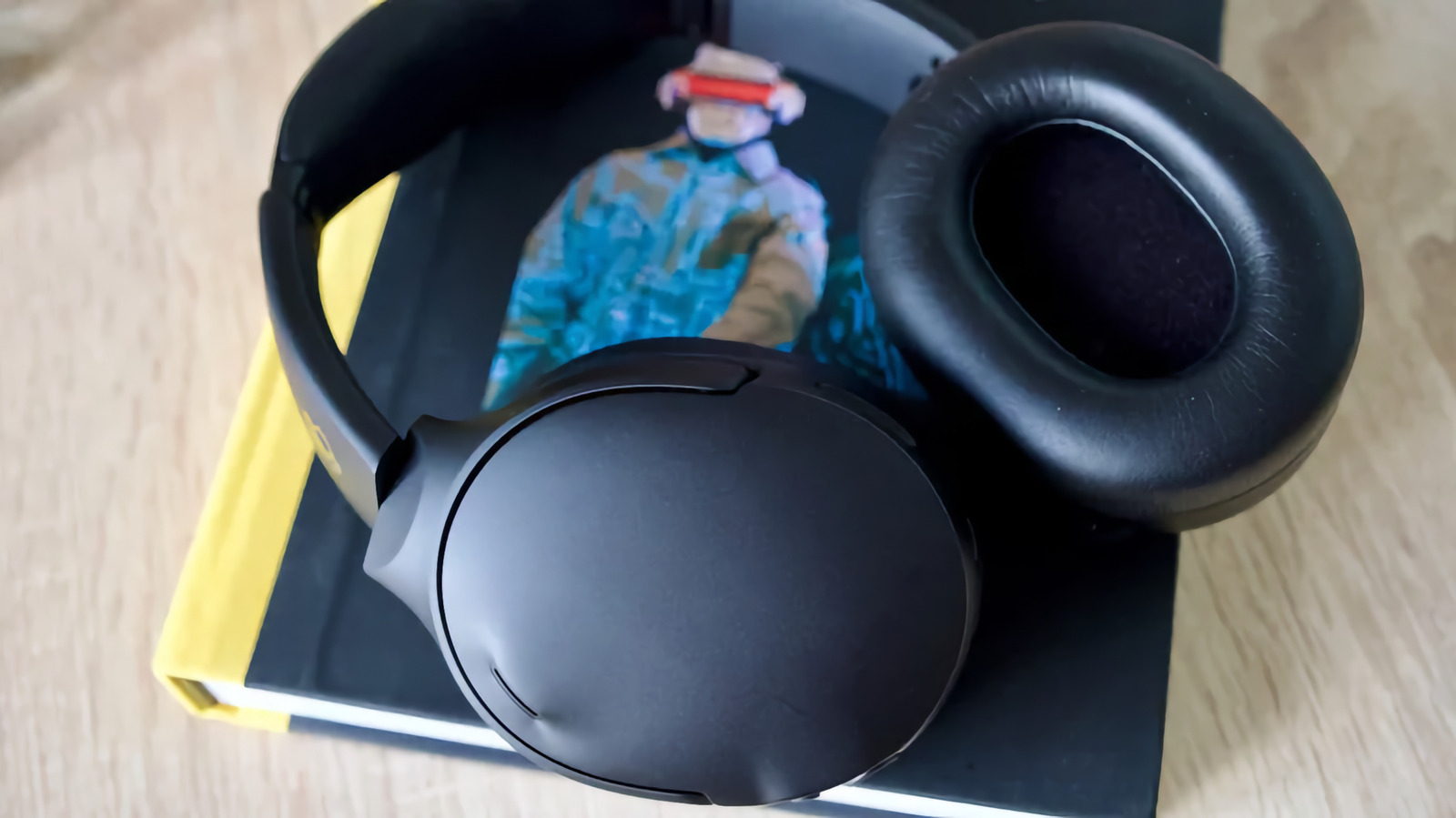
Bose has completed the acquisition of Skullcandy, a competitor in the headphone and speaker market. The deal positions Skullcandy as a separate brand within Bose’s consumer audio division, rather than merging it into the main Bose lineup. While the financial terms of the acquisition were not explicitly detailed in the initial announcement, the two firms had maintained a collaborative relationship for several years. This partnership previously resulted in the release of multiple audio products, including the recent Skullcandy Crusher 1080 headphones, which utilized Bose’s audio engineering.
Following the acquisition, Skullcandy will maintain its operational base in Park City, Utah, where it was founded. The company is expected to benefit from enhanced access to Bose’s technology and resources, which management believes will facilitate continued development and expansion. For Bose, the strategic value of the acquisition lies primarily in Skullcandy’s established market penetration. Skullcandy has significant inroads into lifestyle-oriented sectors, including sports, gaming, music, and fitness, areas where Bose has historically had a less prominent presence.
Lila Snyder, CEO of Bose, emphasized that the company aims to reach a broader audience by expanding its portfolio of brands and technology partnerships. She noted that Bose has been committed to delivering high-quality audio experiences for over 60 years and is now working to connect with consumers in new environments. This move allows Bose to leverage Skullcandy’s brand identity to engage with demographics and use-cases that differ from its traditional premium audio focus, thereby broadening its overall market reach.
Sources
The WireByte editorial team synthesises technology news from multiple primary sources, verifies the facts, and links every source. Articles are produced with AI assistance and reviewed under our editorial policy.