Bluetooth SIG adopts High Data Throughput for 2027 rollout
The Bluetooth Special Interest Group has formally adopted Bluetooth High Data Throughput (HDT) as an optional feature of Core 7.0, raising maximum bit rates from 2Mbps to 7.5Mbps. First compatible devices are expected in early 2027, promising standardized high-resolution audio and improved efficiency for AI and spatial computing applications.
Key points
- The Bluetooth Special Interest Group (SIG), the global standards body for Bluetooth technology, has formally adopted Bluetooth High Data Throughput (HDT) as an optional feature of the upcoming Bluetooth Core 7.0 specification.
- HDT increases the maximum supported bit rate for Bluetooth Low Energy (LE) devices from 2Mbps to 7.5Mbps, a nearly fourfold increase enabled by a new physical layer.
- The first consumer devices supporting HDT are expected to arrive in early 2027, with Qualcomm’s FastConnect 8800 already advertising support for the new standard.
- The upgrade aims to standardize lossless and high-resolution wireless audio, previously limited to proprietary codecs, while improving efficiency for AI applications and spatial computing.
- Existing Bluetooth devices will not receive the update automatically, requiring new hardware to utilize the higher bandwidth and improved reliability features.
Standardization of High-Resolution Audio
The Bluetooth Special Interest Group (SIG) has announced the formal adoption of Bluetooth High Data Throughput (HDT), a significant update to the wireless communication standard that promises to reshape how devices exchange data. Initially introduced as an optional feature of Bluetooth Core 7.0, HDT represents a major leap in capability for Bluetooth Low Energy (LE) devices. By introducing a new physical layer (PHY) to the transmission components of Bluetooth chips, the standard increases the maximum supported bit rate from 2Mbps to 7.5Mbps. This nearly fourfold increase in throughput allows for substantially more data to be transmitted in the same amount of time, addressing long-standing limitations in wireless connectivity.
Impact on Audio and Connectivity
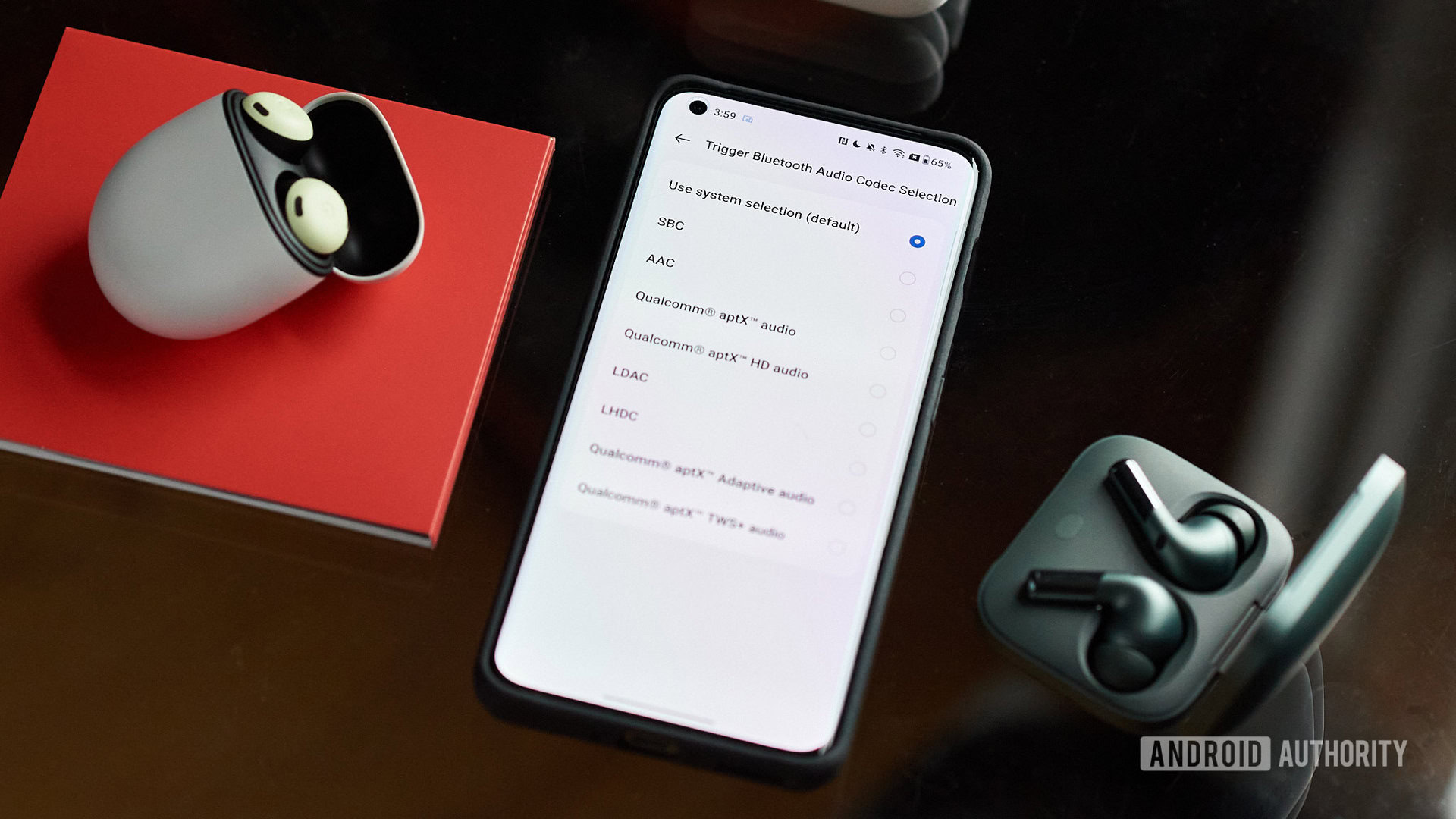
For consumers, the most immediate benefit of HDT is the potential to standardize high-quality audio transmission. Currently, lossless and high-resolution audio over Bluetooth is fragmented, relying on proprietary technologies such as Qualcomm’s aptX Lossless and Sony’s LDAC codec. HDT aims to provide a universal foundation for premium wireless audio, making high-fidelity sound more accessible across different brands and devices. Beyond audio, the increased bandwidth facilitates new spatial and multi-channel audio experiences, which are critical for the growing fields of spatial computing and immersive media.
Efficiency and AI Integration
The improvements extend beyond media consumption to general device efficiency and reliability. Bluetooth LE is already designed for power saving compared to devices that maintain continuous connections, but HDT enhances this by allowing data to be transferred faster and more efficiently. This efficiency is particularly relevant for data-hungry applications, including artificial intelligence (AI) tools and smart wearable devices. Tasks such as syncing fitness data or updating smartwatch firmware, which can currently be slow and disruptive, are expected to become significantly faster and less intrusive. The higher bandwidth also supports more reliable connections, reducing latency and interference in crowded wireless environments.
Hardware Requirements and Timeline
Despite the excitement surrounding the new standard, existing Bluetooth devices will not automatically gain support for HDT. The upgrade requires new hardware that incorporates the updated physical layer, meaning users will need to purchase new devices to experience the benefits. The Bluetooth SIG expects the first wave of devices utilizing HDT to arrive in early 2027. Industry observers anticipate that announcements regarding these initial devices may be made at the Consumer Electronics Show (CES) in January 2027, or potentially earlier.
Industry Adoption
Early signs of industry adoption are already visible. Qualcomm, a major supplier of wireless connectivity chips, has already advertised support for HDT in its FastConnect 8800 platform. This early endorsement suggests that major manufacturers are preparing to integrate the new standard into their upcoming product lines. As the ecosystem matures, the shift from proprietary audio codecs to a standardized high-throughput model could simplify the user experience and drive broader adoption of high-fidelity wireless audio.
Key takeaways
The Bluetooth SIG has adopted HDT as an optional feature of Bluetooth Core 7.0, increasing max bit rates from 2Mbps to 7.5Mbps.
First compatible devices are expected in early 2027, with Qualcomm’s FastConnect 8800 already supporting the standard.
HDT aims to standardize lossless and high-resolution audio, reducing reliance on proprietary codecs like aptX and LDAC.
The upgrade improves efficiency for AI applications, spatial computing, and routine tasks like firmware updates.
Existing devices cannot be upgraded to HDT; new hardware with the updated physical layer is required.
Sources
The WireByte editorial team synthesises technology news from multiple primary sources, verifies the facts, and links every source. Articles are produced with AI assistance and reviewed under our editorial policy.