Australia Advances AI Emotional Intimacy Ban in Digital Duty of Care Bill
Australia’s federal government has advanced legislation banning AI chatbots designed to foster emotional intimacy, following Prime Minister Anthony Albanese’s concerns over children treating agents as friends. The Digital Duty of Care Bill passed the House of Representatives and now faces Senate debate, with a target enactment by end of 2026. The Coalition opposes the measure, while the Greens support it, leaving the bill’s passage uncertain amid calls for stronger regulatory oversight.
Key points
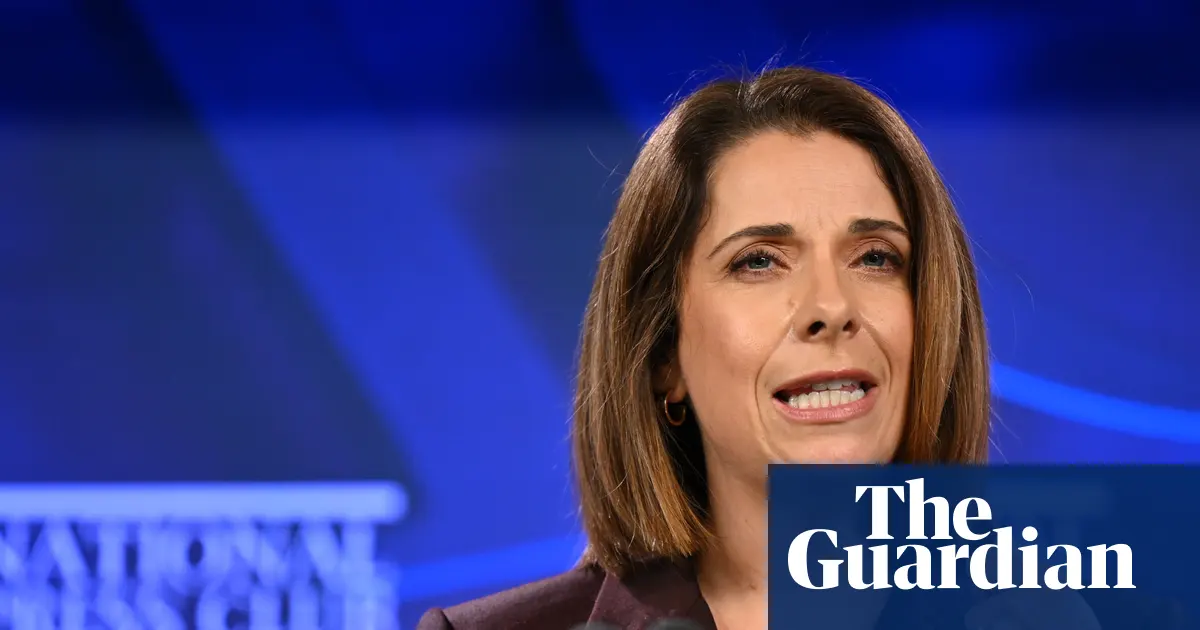
- Prime Minister Anthony Albanese and Communications Minister Anika Wells are driving the Digital Duty of Care Bill to ban AI chatbots creating 'emotional intimacy' with users.
- The legislation passed the House of Representatives and will undergo Senate debate, with the government aiming for enactment by the end of 2026.
- The proposed framework imposes a duty of care on social media, games, apps, and chatbots to protect users from harmful content and requires algorithmic opt-outs.
- The Coalition has stated it will not vote for the bill, while the Greens support it, creating political uncertainty for the legislation's passage.
- Labor faces pressure to empower the telecommunications ombudsman as an external watchdog with powers to name and shame major tech platforms.
- The bill seeks to replace existing online codes with a broader obligation for tech platforms to provide a safe online environment for all Australians.
Legislative Push for Digital Safety
The Australian federal government has moved forward with significant regulatory changes aimed at curbing the influence of artificial intelligence in digital spaces. Central to this effort is the Digital Duty of Care Bill, which seeks to prohibit AI chatbots from engaging in behaviors that create "emotional intimacy" with users. This legislative push follows a heartfelt address by Prime Minister Anthony Albanese, who expressed deep concern regarding children forming parasocial bonds with AI agents, describing instances where young users treat these digital entities as their "best friend." The government argues that such interactions pose significant psychological risks, particularly for vulnerable demographics, and necessitates a robust legal framework to prevent harm.
Political Landscape and Legislative Progress
The Digital Duty of Care Bill successfully passed the House of Representatives, marking a critical milestone in its journey through the Australian Parliament. The legislation is now set for debate in the Senate, where its fate remains uncertain. The government has set an ambitious target to have the bill enacted by the end of 2026, aiming to establish a comprehensive digital safety net. However, the path forward is fraught with political challenges. The opposition Coalition has explicitly stated it will not vote for the bill, citing concerns over its scope and implementation. Conversely, the Greens have expressed support for the measure, aligning with the government’s push for stronger digital protections. Labor remains open to amendments in hopes of securing broader cross-party support, though the Coalition’s firm opposition suggests significant hurdles ahead.
Scope of the New Digital Standards
The proposed framework introduces sweeping new online safety standards applicable to a wide array of digital platforms, including social media, video games, mobile applications, and AI chatbots. At its core, the bill places an overarching obligation on tech platforms to provide a safe online environment for all Australians. This duty of care is designed to replace a fragmented array of existing online codes and standards with a unified, broader requirement. Platforms will be required to actively protect users from specified "harmful" content, shifting the burden of safety onto the providers rather than individual users. Additionally, the legislation mandates that social media platforms offer an "opt-out" feature for algorithmic suggestions and content feeds, giving users greater control over their digital experiences and reducing the influence of automated curation.
Calls for Enhanced Regulatory Oversight
Beyond the specific provisions of the bill, there is growing pressure within the Labor party and among advocacy groups to empower the telecommunications ombudsman. Critics argue that the current regulatory mechanisms are insufficient to hold major technology companies accountable. There are increasing calls to transform the ombudsman into a dedicated watchdog for social media and AI, equipped with the authority to investigate complaints and enforce compliance. A key component of this proposed expansion is the power to "name and shame" big tech firms, allowing regulators to publicly highlight companies that fail to meet their duty of care obligations. This move aims to create an external complaints mechanism for Australians, ensuring that users have a viable avenue for redress when platforms fail to protect them.
Global Implications and Future Outlook
Australia’s initiative represents a significant step in the global conversation regarding AI regulation and digital safety. By targeting the specific phenomenon of emotional intimacy between humans and AI, the government is addressing a nuanced but increasingly prevalent issue. The outcome of the Senate debate will not only determine the future of digital safety in Australia but also signal the country’s stance on tech regulation on the world stage. If enacted, the bill could serve as a model for other nations grappling with similar challenges. However, the political gridlock and the need for potential amendments mean that the final form of the legislation may differ significantly from its current draft. Stakeholders across the tech industry, civil society, and government will be watching closely as the bill navigates the upper house, with the end of 2026 serving as the critical deadline for implementation.
Sources
The WireByte editorial team synthesises technology news from multiple primary sources, verifies the facts, and links every source. Articles are produced with AI assistance and reviewed under our editorial policy.