Atlassian Chief People Officer Criticizes AI Mandates, Promotes Super Users
Atlassian’s Avani Prabhakar warns that forced AI adoption is a 'very bad start,' advocating instead for identifying 'super users' to drive organic engagement. She emphasizes treating AI as a people transformation, supported by specific working agreements and monthly usage allowances to manage costs and security.
Key points
- Avani Prabhakar, Atlassian’s chief people and AI enablement officer, argues that mandatory AI implementation is a 'very bad start' for organizations.
- The company found that one 'super user' per five-to-seven-person team increases overall AI adoption and usage by 56%.
- Prabhakar defines a super user as an employee utilizing sophisticated AI features more than 40 times weekly to alter workflows.
- Atlassian implements 'AI working agreements' to clarify security boundaries and decision-making authority between humans and AI tools.
- Every employee receives a monthly 'AI wallet' allowance to help manage and monitor the financial costs of AI integration.
A Human-Centric Approach to AI Integration
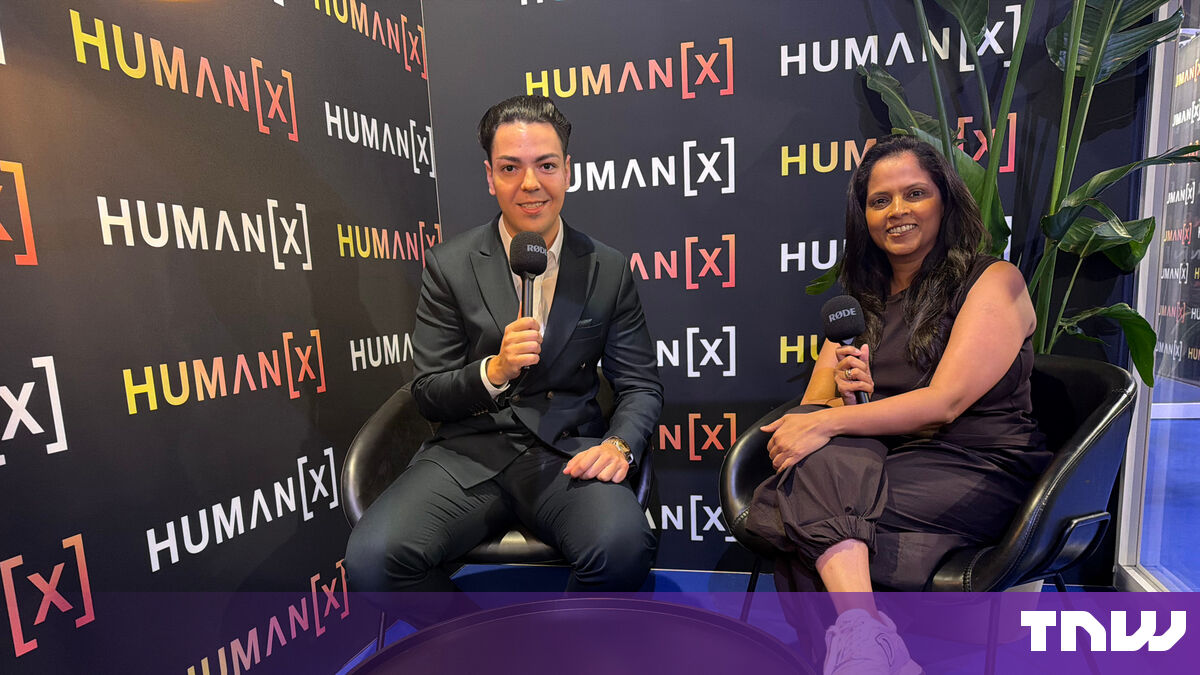
Avani Prabhakar, Atlassian’s chief people and AI enablement officer, has publicly criticized the trend of forcing artificial intelligence adoption across organizations. Speaking at the HumanX conference in Amsterdam, Prabhakar described mandatory AI implementation as a 'very bad start' for companies. She argues that successful integration requires a fundamental shift in how businesses view technology, moving away from top-down mandates and toward a strategy centered on human behavior and organizational culture. This perspective positions AI not merely as a technical upgrade but as a significant people transformation that requires careful management of employee engagement and trust.
The Power of Super Users
A key finding from Atlassian’s internal research highlights the disproportionate impact of highly engaged employees. The company discovered that having just one 'super user' within a team of five to seven individuals can lift the entire team’s AI adoption and usage rates by 56%. Prabhakar provided specific metrics for this designation, defining a super user as someone who utilizes the most sophisticated features of AI tools more than 40 times a week to actively change their workflow. Atlassian tracks these individuals to understand their influence and replicate their success across broader organizational structures. This data-driven approach suggests that fostering expertise among a small subset of employees is more effective than broad, shallow deployment.
Governance and Security Protocols
Beyond adoption rates, Prabhakar emphasized the critical importance of security and governance in large-scale AI deployments. She noted that while deploying technology is straightforward, ensuring it is used responsibly is where many large companies encounter difficulties. To address this, Atlassian has implemented what it calls 'AI working agreements' for every team. These agreements clearly delineate where AI can be used in specific job roles and where it cannot. For instance, product researchers are explicitly prohibited from entering company information into public AI tools, and recruiters are provided with clear guidelines on which decisions remain human-led versus those delegated to AI. This structured approach aims to mitigate risks while allowing teams to leverage AI capabilities within safe boundaries.
Managing Costs Through Allowances
Financial oversight is another pillar of Atlassian’s strategy. Prabhakar highlighted that controlling costs is essential for sustainable AI integration. To this end, the company provides every employee with an 'AI wallet,' a monthly allowance designed to track and manage spending on AI services. This mechanism allows employees to use AI tools without fear of unexpected expenses while giving the company visibility into usage patterns and cost distribution. The allowance system is part of a broader effort to treat AI adoption as a managed resource rather than an unlimited utility, ensuring that the technology adds value without straining organizational budgets.
Leadership and Future Outlook
Prabhakar’s insights come from her extensive experience in human resources and organizational development. She joined Atlassian seven and a half years ago, starting in business roles before moving to HR, with prior stints at GE, British Airways, and Fuji Xerox. Her current role, announced in April, reflects Atlassian’s recognition of the need for specialized leadership in AI enablement. As she continues to speak at industry events, including recent podcasts with leaders from Boomi and Remote, her message remains consistent: AI success depends on people, not just algorithms. Companies that prioritize clear guidelines, super user engagement, and cost management are better positioned to navigate the complexities of AI integration. The focus on human-centric strategies offers a roadmap for other organizations seeking to balance innovation with responsibility in the rapidly evolving digital landscape.
Sources
The WireByte editorial team synthesises technology news from multiple primary sources, verifies the facts, and links every source. Articles are produced with AI assistance and reviewed under our editorial policy.