AMD Acquires MEXT Tech to Slash Server DRAM Costs by Up to 83%
AMD has acquired MEXT, an AI-driven memory management technology that offloads infrequently used data to cheaper NVMe flash storage. This allows servers to operate with up to 75% less physical DRAM while retaining up to 99% of performance. The move aims to significantly reduce enterprise infrastructure costs amid ongoing global memory shortages and high hardware prices.
Key points
- AMD acquired MEXT in June, integrating its AI-based memory management technology to optimize server memory usage.
- The technology allows servers to run with 25% to 75% less physical DRAM by offloading cold data to NVMe flash storage.
- AMD claims the solution retains up to 99% of full-memory performance, with internal tests showing 95% retention at half capacity.
- Gary Smerdon, former MEXT CEO now at AMD, estimates the tech can cut server memory costs by up to 83%.
- Initial deployments on 145 systems have reportedly saved $5 million in avoided DRAM expenses so far.
- The technology uses AI to predict and preload memory pages, mitigating the speed penalty of slower flash storage.
AMD's Strategic Memory Shift
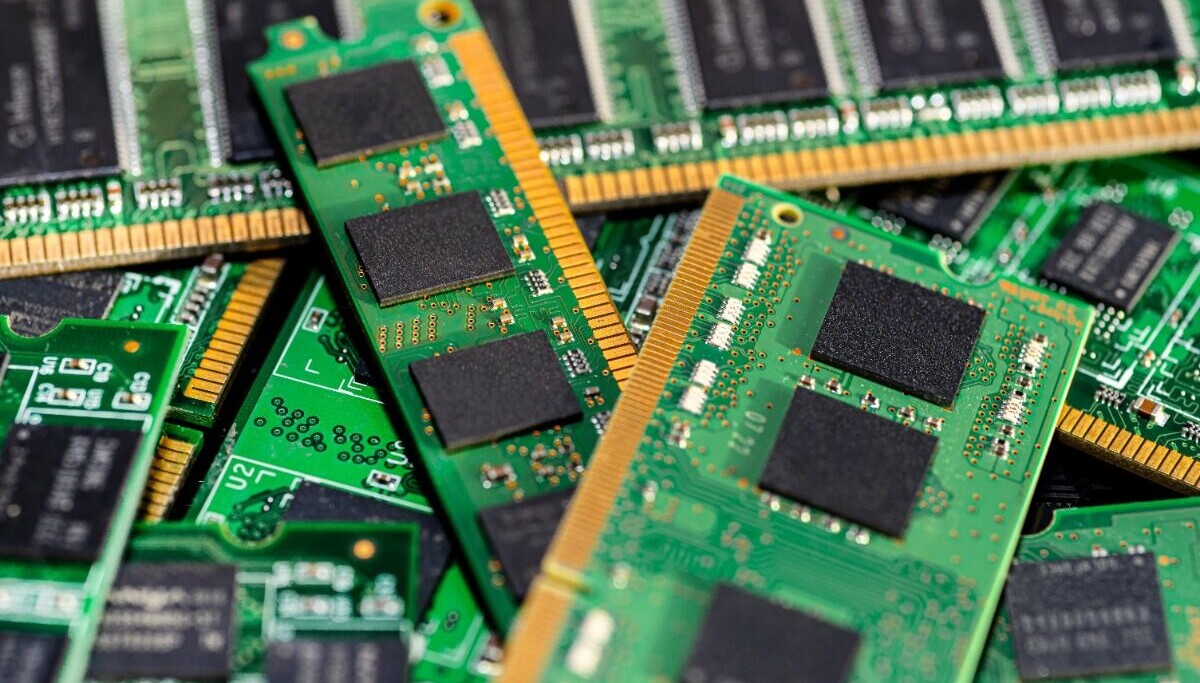
Advanced Micro Devices (AMD) has announced a significant shift in its enterprise server strategy following the acquisition of MEXT, a predictive memory engine technology. The deal, finalized in June, brings MEXT’s AI-driven memory management capabilities under AMD’s umbrella. This technology is designed to address the growing financial and logistical challenges associated with high-capacity Dynamic Random-Access Memory (DRAM) in data centers. By integrating MEXT, AMD aims to offer a solution that drastically reduces the amount of physical memory required in servers without compromising computational performance.
How MEXT Works
The core innovation of MEXT lies in its ability to intelligently manage memory pages. Traditional servers rely heavily on DRAM for speed, but a significant portion of this memory often contains "cold" data—pages that have not been accessed for minutes or even hours. MEXT utilizes an AI model to predict when these pages will be needed again. Instead of keeping all data in expensive DRAM, the system offloads infrequently accessed pages to cheaper, slower NVMe flash storage. When the operating system or applications require this data, MEXT preloads it back into DRAM before the request is fully processed, effectively hiding the latency of the slower storage medium.
Performance and Cost Metrics
AMD reports that this technology can reduce the physical DRAM required in a server by between 20% and 75%, depending on the specific application and performance targets. In internal testing using workloads such as Synopsys PrimeTime, AMD achieved 95% of the performance of a fully equipped server while operating with only 50% of its physical DRAM capacity. The company claims that in optimal scenarios, systems can retain up to 99% of their full-memory performance while using as little as 25% of the physical DIMMs. This efficiency is critical given that memory can constitute 60% to 90% of the total cost of large enterprise servers.
Financial Impact and Early Results
Gary Smerdon, the former CEO of MEXT who now serves as AMD’s Chief Vice President of Business Development, highlighted the economic implications of the technology. He noted that the initial deployment of MEXT on 145 systems has already resulted in approximately $5 million in avoided DRAM costs for customers. Smerdon explained that the technology replaces costly Registered DIMMs (RDIMMs) with flash storage, potentially cutting enterprise server costs by as much as 83%. This cost reduction is particularly significant in an era where memory prices have remained volatile and supply chain constraints have persisted.
Addressing Latency Challenges
The primary challenge in using flash storage for memory offloading is its speed, which is approximately 500 times slower than DRAM. However, MEXT’s predictive AI model mitigates this by ensuring data is loaded before it is strictly needed. Research cited by AMD, including a Meta study, indicates that 50% to 80% of memory pages remain untouched for five minutes or longer. In the context of server processing, five minutes is an eternity, allowing ample time for the system to retrieve data from flash storage without impacting user-perceived performance. This approach effectively decouples memory capacity from memory speed requirements.
Future Roadmap and Market Implications
AMD plans to extend MEXT technology across a wide swath of its IT infrastructure in the coming year. This expansion is part of a broader strategy to help enterprises manage rising infrastructure costs and navigate the global memory shortage. By offering a software-defined solution that reduces hardware dependency, AMD is positioning itself as a key player in the next generation of cost-efficient data center architecture. The technology is available as a license alongside AMD’s EPYC server processors, marking a shift towards software-integrated hardware optimization in the enterprise market.
Key takeaways
- AMD acquired MEXT in June to integrate AI-driven memory management into its EPYC server lineup.
- The technology reduces physical DRAM requirements by 20% to 75% by offloading cold data to NVMe flash.
- Internal tests show 95% performance retention at half DRAM capacity, with claims of up to 99% retention overall.
- Early deployments on 145 systems have saved customers $5 million in avoided memory costs.
- Gary Smerdon estimates the tech can cut server memory costs by up to 83% by replacing RDIMMs with flash.
- AMD plans to expand MEXT integration across its enterprise infrastructure in the coming year.
Sources
The WireByte editorial team synthesises technology news from multiple primary sources, verifies the facts, and links every source. Articles are produced with AI assistance and reviewed under our editorial policy.