Amazon Unveils Echo Show 16, Echo Time, and AI-Enhanced Audio Devices
Amazon launched five new smart home devices, including the 16-inch Echo Show 16 ($500), the sleep-focused Echo Time ($200), and the Echo Studio with camera ($250). Powered by Alexa+, the lineup emphasizes AI visual intelligence, sleep tracking, and enhanced audio. The devices aim to compete with rivals like Google and Apple by integrating deeper home monitoring and smart display capabilities.
Key points
- Amazon introduced five new devices, including the Echo Show 16 smart display, Echo Time sleep clock, Echo Dot speaker, Echo Studio speaker, and Alexa Photo Frame.
- The Echo Show 16, starting at $500, features a 16-inch screen, Fire TV integration, and a 13MP camera with Visual ID technology.
- The Echo Time, priced at $200, is a camera-free smart clock using Omnisense sensors for sleep tracking and holds National Sleep Foundation certification.
- The Echo Studio with Home Camera, available for $250, adds visual intelligence to Alexa+, allowing the device to identify objects and assist with tasks.
- The new Echo Dot includes a built-in smart home hub and upgraded audio, while the Alexa Photo Frame offers a 10-inch display for $200.
- All devices leverage Amazon's Alexa+ AI platform, with the Echo Show 16 shipping in December and other items available immediately.
Amazon Expands Smart Home Ecosystem with New AI-Driven Devices
Amazon has officially expanded its smart home hardware lineup with the launch of five new devices, marking a significant push into AI-enhanced audio and visual interfaces. The new collection includes the Echo Show 16, Echo Time, Echo Studio with Home Camera, an updated Echo Dot, and the Alexa Photo Frame. These devices are built around Amazon’s Alexa+ artificial intelligence platform, signaling a strategic effort to deepen integration between voice assistants, home monitoring, and entertainment systems. The rollout positions Amazon to compete more aggressively against rivals like Google and Apple in the smart display and speaker markets.
Echo Show 16: A Large-Screen Smart Display with Fire TV Integration
The centerpiece of the announcement is the Echo Show 16, a 16-inch smart display that Amazon describes as its most powerful smart display to date. Priced at $500 for the standard version and $570 for the Nanomatte anti-glare variant, the device features a screen with 10% more viewing area and twice the color vibrancy of its predecessor, the Echo Show 15. The anodized aluminum frame is nearly 40% thinner, allowing for a sleeker profile. The display supports multiple Screen Styles, including a family planner, smart home dashboard, and photo frame mode. It also integrates Fire TV, enabling users to stream content directly from the display. The device includes a 13MP camera with night vision and an upgraded Visual ID system capable of detecting faces from up to 17 feet away. It can be wall-mounted or placed on a counter using optional stands, which cost $70 or $125 depending on flexibility. Pre-orders are available with a $100 discount, with general shipping scheduled for December 16.
Echo Time: Focused on Sleep Health and Privacy
Addressing the bedroom market, Amazon launched the Echo Time, a smart clock priced at $200. Unlike many competitors, the Echo Time is camera-free, prioritizing user privacy in the bedroom. It utilizes Amazon’s proprietary Omnisense sensor technology, which leverages ambient AI to track sleep patterns without cameras. The device has received the National Sleep Foundation’s SleepMark designation, indicating it meets evidence-based sleep health standards. Key features include a smart alarm that wakes users within 10 to 60 minutes of a set time by detecting lighter sleep phases. The display dims at night and can be customized with hundreds of clock faces. A version for kids, which allows parents to control sleep schedules, is also available. The Echo Time is shipping immediately.
Echo Studio with Home Camera: Visual Intelligence for Audio
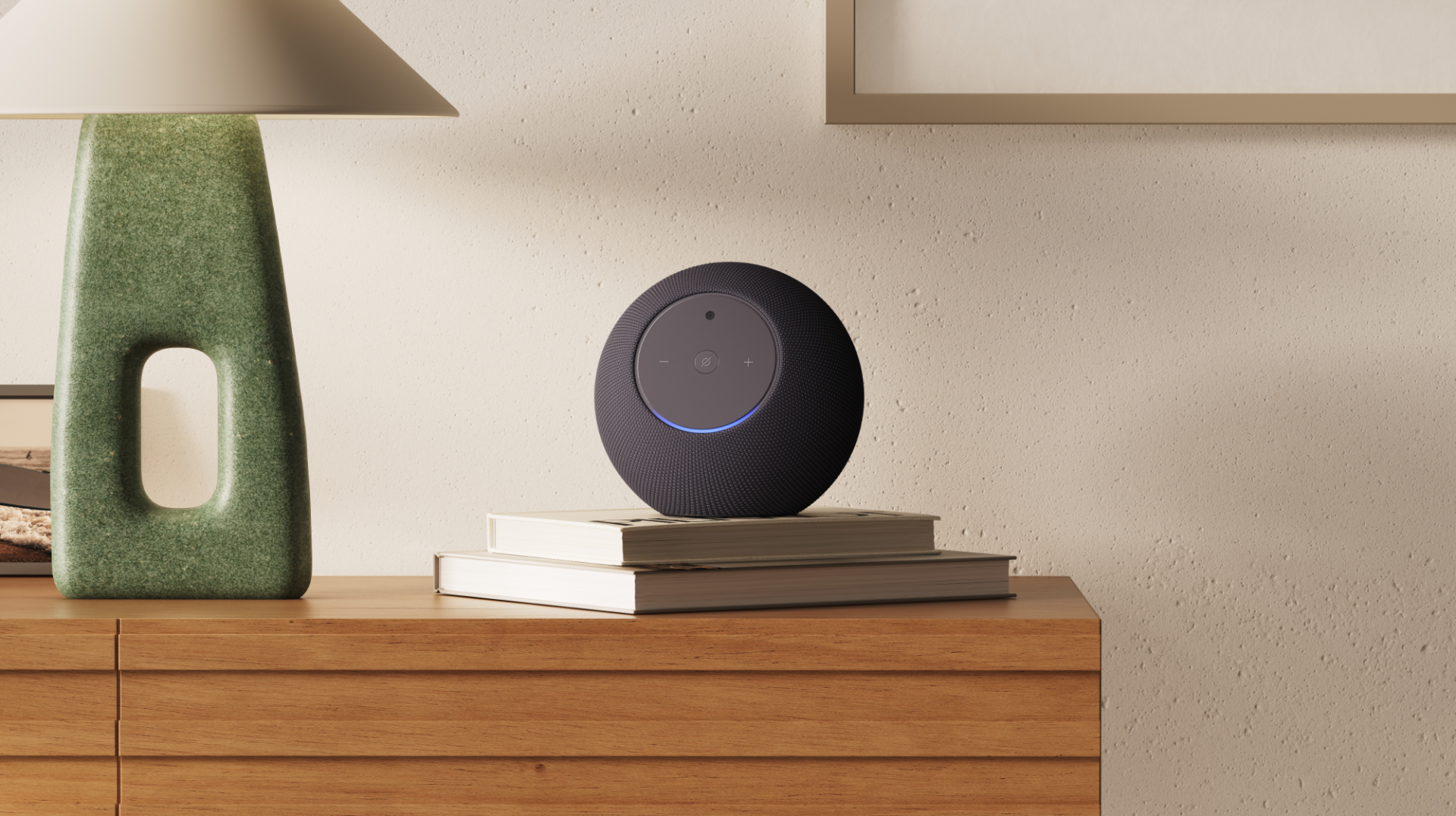
Amazon has also updated its premium speaker line with the Echo Studio with Home Camera, available now for $250. This device adds a camera to the high-fidelity Echo Studio, enabling Alexa+ to provide visual intelligence. The camera can monitor rooms, assist with video calls, and help users identify objects or games within its view. For example, the device can explain board game rules or help users reorder products they show to the camera. The speaker itself features advanced room adaptation, adjusting volume based on the listener's distance. Later this year, the Echo Studio will gain compatibility with Amazon Fire TVs, allowing video calls to be cast to larger screens.
Additional Devices and Market Implications
Rounding out the launch are the updated Echo Dot and the Alexa Photo Frame. The new Echo Dot, starting at $100, includes a built-in smart home hub and upgraded audio. The Alexa Photo Frame, priced at $200, features a 10-inch anti-glare display and is designed to showcase photos from Amazon Photos. These additions reinforce Amazon’s strategy to embed Alexa into more aspects of daily life, from entertainment to health monitoring. As competitors like Google and Apple continue to refine their smart home offerings, Amazon’s focus on AI-driven visual and audio integration aims to maintain its lead in the connected home sector.
Key takeaways
- Amazon launched five new devices including the Echo Show 16, Echo Time, and Echo Studio with camera.
- The Echo Show 16 costs $500-$570 and features a 16-inch screen with Fire TV and Visual ID.
- The Echo Time is a $200 camera-free sleep clock with National Sleep Foundation certification.
- The Echo Studio with Home Camera ($250) adds visual intelligence to Alexa+ for home monitoring.
- The updated Echo Dot ($100) and Alexa Photo Frame ($200) expand the smart home ecosystem.
- All devices leverage Alexa+ AI, with the Echo Show 16 shipping in December.
Sources
The WireByte editorial team synthesises technology news from multiple primary sources, verifies the facts, and links every source. Articles are produced with AI assistance and reviewed under our editorial policy.