AI Glasses: Can Smart Tech Replace Prescription Lenses?
AI-powered smart glasses, such as the Ray-Ban Meta, can now be fitted with prescription lenses, offering a potential replacement for traditional eyewear. However, experts caution that added weight, privacy concerns, and battery limitations make them unsuitable for daily use for many wearers. Consumers must weigh convenience against the need for extra care and potential health implications.
Key points
- Ray-Ban Meta and similar AI glasses allow users to upload prescriptions for custom lenses, merging vision correction with smart features.
- The integration of technology adds weight to the frames, which may cause discomfort for users accustomed to lighter traditional glasses.
- Privacy advocates and regulators have raised alarms, with a German nonprofit filing a criminal complaint over Meta's data collection practices.
- Battery life remains a constraint, requiring daily charging and extra care that differs from the maintenance of standard eyewear.
- While technically feasible, experts advise that current AI glasses are not yet the optimal choice for everyday prescription use due to these practical drawbacks.
The Convergence of Vision and Intelligence
The landscape of personal eyewear is undergoing a significant transformation as artificial intelligence becomes embedded in everyday accessories. Smart glasses, once niche gadgets reserved for tech enthusiasts, are increasingly marketed as viable alternatives to traditional prescription eyewear. Devices like the Ray-Ban Meta line exemplify this shift, offering a seamless blend of optical correction and digital functionality. For consumers who rely on glasses daily, the prospect of replacing two separate items with one integrated device is compelling. The technology allows users to capture photos, listen to audio, and access AI assistants without removing their eyewear, effectively turning a necessity into a multifunctional tool.
Prescription Integration and Design
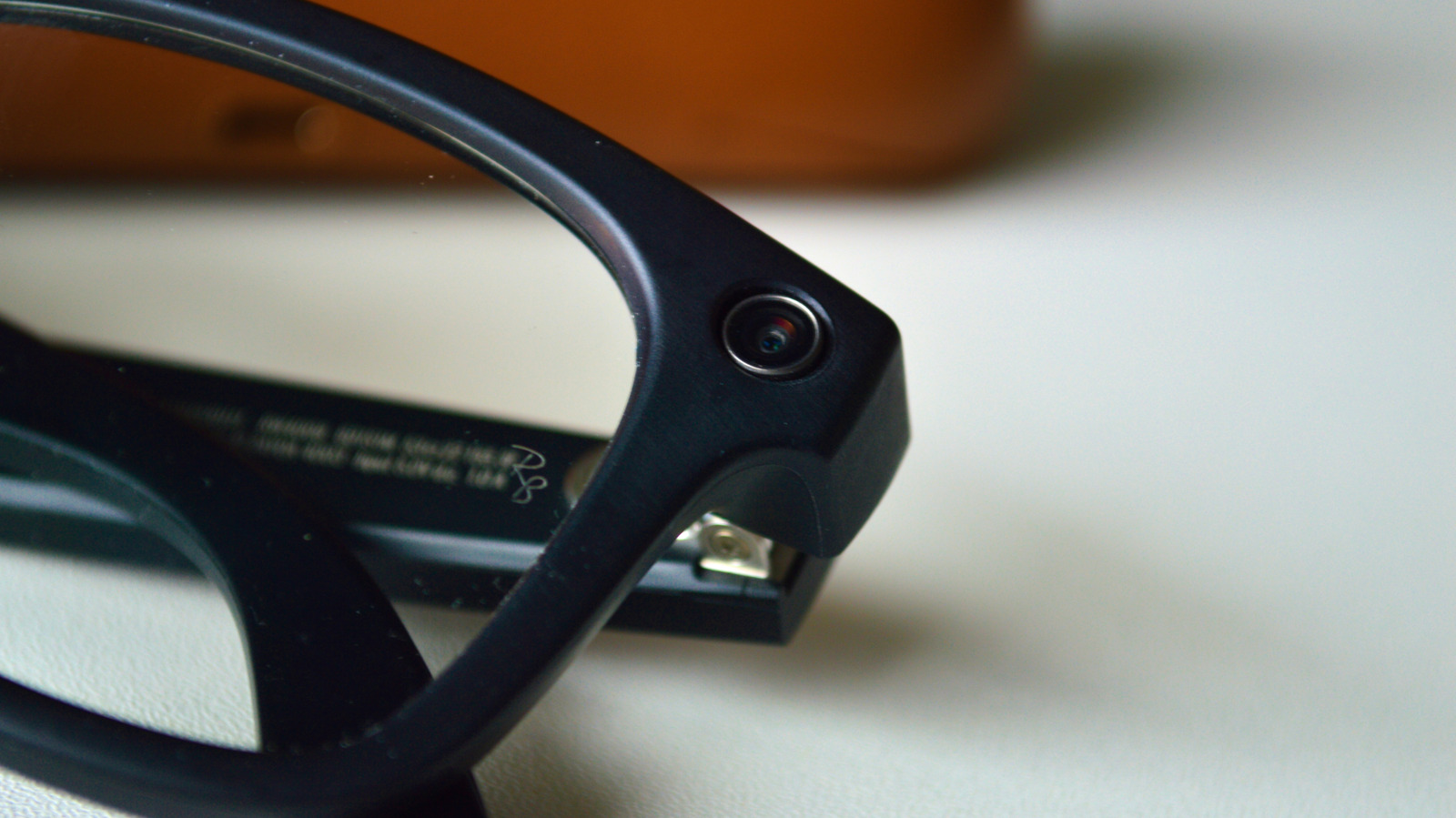
From a manufacturing standpoint, the integration of prescription lenses into smart frames is technically straightforward. Most AI-powered smart glasses are constructed similarly to regular eyewear, with the primary difference being the embedded electronics in the temples and lenses. Because the external appearance of devices like the Ray-Ban Meta closely resembles conventional fashion glasses, they can accommodate custom prescription lenses without altering the aesthetic. Users can upload their current prescription details to the manufacturer, which then fabricates and installs the lenses. This process removes the primary barrier to adoption for those who require vision correction, making the transition from standard glasses to smart glasses appear seamless on the surface.
The Weight and Comfort Trade-off
Despite the convenience, the physical reality of wearing AI glasses presents challenges that traditional eyewear does not. The inclusion of batteries, cameras, speakers, and processing units adds noticeable weight to the frames. For many users, this additional mass can lead to discomfort, particularly during extended wear. The balance of the glasses may also shift, causing pressure points on the nose and ears. Experts note that while the technology is impressive, the ergonomic compromises may deter users who prioritize comfort and lightness. The extra weight is a tangible reminder of the device's digital nature, distinguishing it sharply from the minimalist design of standard prescription glasses.
Privacy and Regulatory Scrutiny
Beyond physical comfort, the digital capabilities of these devices have sparked significant privacy concerns. The presence of cameras and microphones raises questions about data collection and surveillance. These concerns have moved beyond theoretical debates into legal action. A German nonprofit organization has filed a criminal complaint against Meta regarding the privacy practices associated with its smart glasses. This legal challenge highlights the growing scrutiny from regulators and privacy advocates who argue that the constant recording capability of AI glasses poses a threat to personal privacy in public spaces. The incident underscores the tension between technological innovation and individual rights.
Practical Limitations and Maintenance
Battery life remains another critical factor limiting the daily usability of AI glasses. Unlike passive prescription lenses, smart glasses require regular charging. This necessity introduces a routine of care that many users may find burdensome. The devices are also more fragile, requiring protection from drops and water damage that standard glasses can often withstand. Users must manage software updates and potential technical glitches, adding a layer of complexity to what should be a simple daily accessory. These practical constraints suggest that while AI glasses are functional, they are not yet a drop-in replacement for traditional eyewear for all demographics.
Market Implications and Future Outlook
The market response to AI glasses has been mixed, with enthusiasm tempered by practical reservations. While early adopters appreciate the novelty and utility, mainstream consumers are cautious about committing to a device that requires more maintenance than traditional glasses. The industry is likely to focus on reducing weight, improving battery efficiency, and addressing privacy concerns to make these devices more appealing. As technology matures, the gap between smart glasses and traditional eyewear may narrow, but for now, the choice between the two remains a significant consideration for consumers. The ongoing legal and technical developments will shape the future trajectory of this emerging market.
Key takeaways
- AI glasses like Ray-Ban Meta can be fitted with custom prescription lenses, merging vision correction with smart features.
- The added weight of embedded technology may cause discomfort for users accustomed to lighter traditional frames.
- Privacy concerns have led to legal action, including a criminal complaint filed by a German nonprofit against Meta.
- Battery life and maintenance requirements make AI glasses less convenient than passive prescription glasses for daily use.
- Current limitations suggest AI glasses are not yet the optimal choice for all consumers seeking everyday vision correction.
Sources
The WireByte editorial team synthesises technology news from multiple primary sources, verifies the facts, and links every source. Articles are produced with AI assistance and reviewed under our editorial policy.