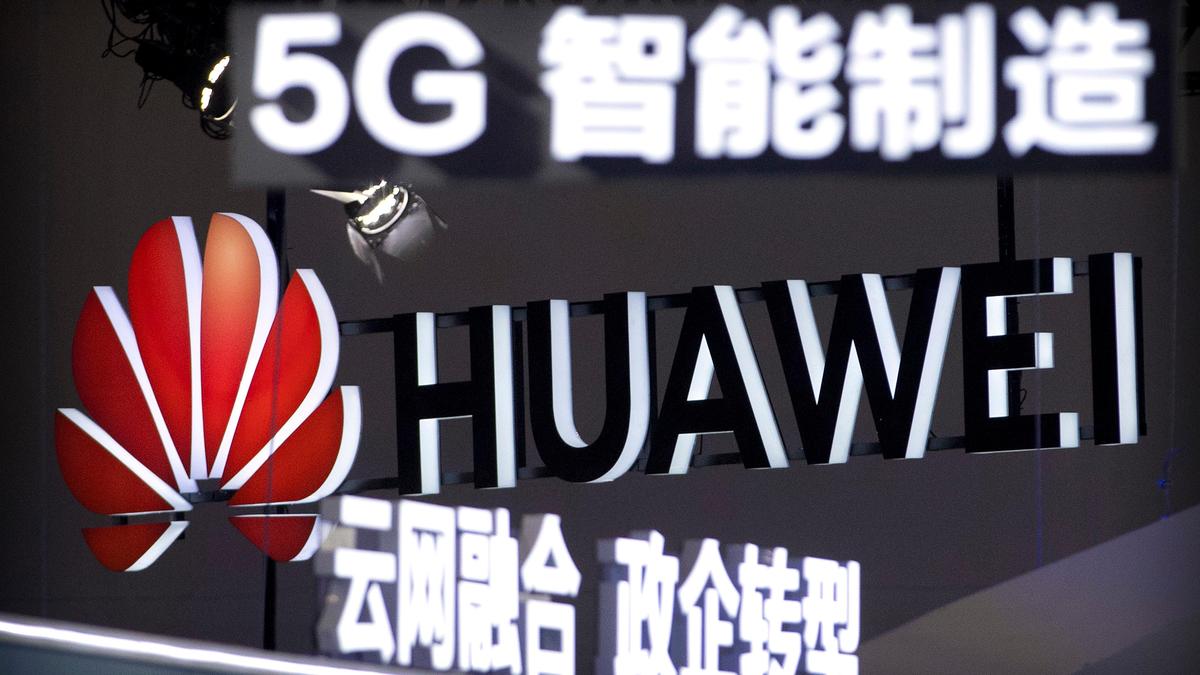
US Jury Convicts Huawei of Trade Secret Theft, Acquits on Racketeering
A US jury found Huawei guilty of conspiracy to steal trade secrets and bank fraud, rejecting the more severe racketeering charge. The verdict follows a two-month trial where prosecutors alleged the telecom giant lied to banks about Iran dealings. Huawei maintains its success stems from innovation, not crime, as it continues global operations despite Western blacklists.
Key points
- Huawei Technologies, the Chinese telecommunications and electronics company, was convicted by a US jury of conspiracy to steal trade secrets and bank fraud.
- Jurors in Brooklyn acquitted the firm of the most serious charge, racketeering conspiracy, which required proof it operated as a criminal enterprise.
- Prosecutors presented evidence that Huawei lied to US banks regarding business dealings in Iran and North Korea to evade sanctions and gain competitive advantage.
- Huawei’s defense team argued that the prosecution relied on isolated incidents by a small number of employees to fabricate a narrative of grand conspiracy.
- The company stated the acquittal on racketeering charges vindicates its position and confirms the allegations lacked factual basis over the past eight years.
- The verdict leaves Huawei’s global standing largely unchanged, as it remains barred from US carriers and blacklisted by allies like Britain and Canada.
Landmark Verdict in Brooklyn Court
A federal jury in Brooklyn has delivered a mixed verdict in the high-profile trial of Huawei Technologies, finding the Chinese telecommunications giant guilty of conspiracy to steal trade secrets and bank fraud. However, the jury acquitted the company of the most severe charge in the indictment: racketeering conspiracy. The decision concludes a two-month trial that examined the company’s business practices and its relationship with US financial institutions and international sanctions.
The Charges and the Defense
Federal prosecutors argued that Huawei engaged in a systematic effort to gain a competitive edge by stealing intellectual property and deceiving US banks. The government presented evidence that the company made false statements to financial institutions regarding its business dealings in countries subject to US sanctions, specifically Iran and North Korea. Assistant US Attorney Meredith Arfa told jurors that Huawei spent two decades doing whatever it took to expand its business, including lying and cheating.
In response, Huawei’s defense team contended that the prosecution’s case was fundamentally flawed. The defense argued that prosecutors had decided Huawei was a criminal organization and built their case around that premise, rather than examining the facts objectively. Lawyers for the company stated that US investigators used isolated episodes of wrongdoing by a few employees out of Huawei’s workforce of more than 200,000 to spin a false narrative about a grand conspiracy that did not exist. They maintained that Huawei’s success was due to its own innovation and hard work.
The Racketeering Acquittal
The jury found Huawei guilty of 10 out of 12 counts, including the trade secret theft and bank fraud charges. However, they declined to convict the company on the racketeering conspiracy charge. This specific charge required jurors to find that the firm acted like a criminal enterprise. The acquittal on this count was a significant victory for Huawei, which had faced the prospect of severe penalties had it been convicted on all charges.
In a statement following the verdict, Huawei emphasized the significance of the racketeering acquittal. The company stated that this outcome confirms that the allegations lacked factual basis and vindicates its consistent position over the past eight years. The firm reiterated that it operates legally and ethically, attributing its global market presence to technological advancement rather than illicit activities.
Context and Global Impact
The legal proceedings began after the dramatic arrest of Huawei senior executive Meng Wanzhou in Canada in late 2018. Meng, also known as Cathy Meng, was held for three years before being released to return to China through a deal with US prosecutors. The initial charges against Huawei were announced by federal prosecutors in 2019, marking a significant escalation in tensions between the US and Chinese tech sector.
Despite the conviction, the practical impact on Huawei’s global operations may be limited. The company has not been allowed to sell equipment to US carriers for years due to security concerns raised by the US government. Additionally, Huawei has been blacklisted by other Western allies, including Canada and Britain. These restrictions have effectively barred the company from the US market and limited its access to key Western networks.
However, Huawei continues to conduct robust business in other parts of the world. The company remains a major supplier of gear for wireless telecommunications networks and sells smartphones and other equipment globally. The verdict leaves the company’s international standing largely unchanged, as it continues to operate in markets outside the Western blacklist. Analysts note that while the conviction is a legal defeat, it does not alter the geopolitical dynamics that have already isolated Huawei from many of its most lucrative markets.
What Happens Next
The legal case is not yet fully resolved. Sentencing for the convicted counts will be determined by the judge in the coming months. Huawei has indicated it may appeal the convictions, particularly the trade secret and bank fraud charges. The outcome of any appeal could have further implications for how international tech companies navigate US sanctions and intellectual property laws. For now, Huawei remains a significant player in the global telecom industry, albeit one operating under heightened scrutiny and restricted access to Western infrastructure.
Key takeaways
- A US jury convicted Huawei of conspiracy to steal trade secrets and bank fraud in a landmark Brooklyn trial.
- The company was acquitted of the more serious racketeering conspiracy charge, which required proof of criminal enterprise behavior.
- Prosecutors alleged Huawei lied to banks about dealings in Iran and North Korea to evade sanctions and gain advantage.
- Huawei’s defense argued the case relied on isolated incidents by a small fraction of its 200,000+ employees.
- The verdict leaves Huawei’s global operations largely unaffected, as it remains barred from US and allied Western markets.
- The company stated the acquittal vindicates its position and confirms the allegations lacked factual basis.
Sources
The WireByte editorial team synthesises technology news from multiple primary sources, verifies the facts, and links every source. Articles are produced with AI assistance and reviewed under our editorial policy.