Trump Defends Nvidia CEO Reinstatement Amid Security Concerns
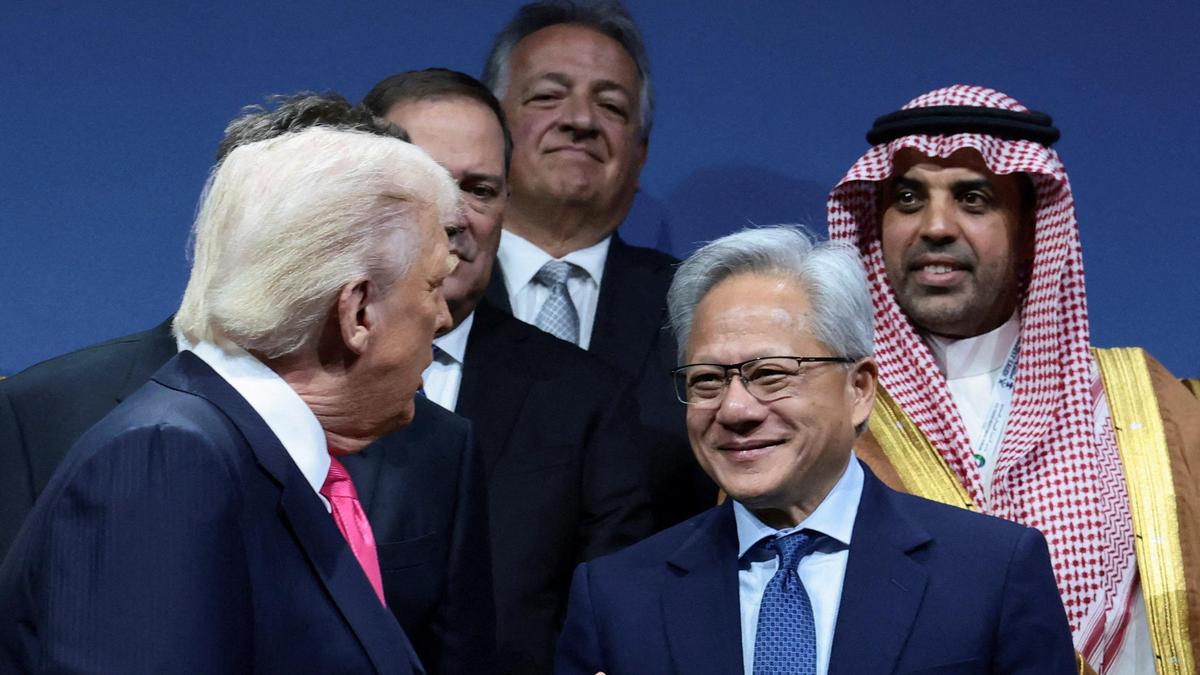
U.S. President Donald Trump defended the reinstatement of Nvidia CEO Jensen Huang, dismissing national security concerns despite Huang’s prior ouster over ties to a woman linked to Chinese intelligence. Trump claimed sufficient evidence clears Huang, citing behind-the-scenes board pressure. Nvidia shares rebounded after the board’s reversal, though bipartisan criticism persists regarding government intervention in corporate governance.
Key points
- President Donald Trump publicly defended Nvidia CEO Jensen Huang, stating he has 'a lot of information' confirming Huang is not a security threat.
- Huang was previously ousted following revelations of an affair with a business executive linked to Chinese intelligence and potential export control violations.
- Trump revealed he and Vice President JD Vance intervened directly with Nvidia’s board, calling the reinstatement 'a great thing' for the world.
- Nvidia’s stock price plummeted upon Huang’s initial resignation but partially rebounded after the board reversed its decision to reinstate him.
- The administration’s intervention has drawn bipartisan criticism, raising concerns about government overreach into private corporate governance.
- Trump stated he likely will speak with Huang soon, noting the CEO is happy to return and refers to his role as a 'second term'.
Trump Vouches for Nvidia CEO Amid Security Backlash
U.S. President Donald Trump has firmly defended the reinstatement of Nvidia CEO Jensen Huang, dismissing widespread national security concerns that previously led to Huang’s ouster. Speaking to reporters at his Mar-a-Lago estate in Florida on November 26, 2026, the President asserted that he possesses sufficient evidence to confirm Huang is not a threat. "Based on information and belief, I think he’s absolutely fine," Trump stated, when pressed on the specifics of his intelligence, he replied only that he has "a lot of information" without elaborating further.
Behind-the-Scenes Board Intervention
The President revealed that his administration, including Vice President JD Vance, engaged in direct and indirect communications with Nvidia’s board of directors to advocate for Huang’s return. Trump described the government’s involvement as unusual but necessary, arguing that the stability of the company and its stock was vital. "I just thought, I saw that what was happening with the company, what was happening with the stock, and I think it’s a great thing that he’s going back," Trump told CNBC earlier in the week. He noted that while he has not yet spoken to Huang since the reinstatement announcement, he expects to do so soon, adding that Huang is "so happy to be going back" and refers to his renewed role as his "second term."
The Scandal and Market Reaction
Huang’s initial resignation earlier this month sent shockwaves through the technology sector and global markets. The decision followed revelations that the CEO had engaged in extramarital affairs, including with a business executive who reportedly has ties to Chinese intelligence. This executive’s company was also suspected of helping China obtain advanced chips in violation of U.S. export controls. Upon news of Huang’s sudden departure, Nvidia’s stock price plummeted, reflecting investor anxiety over leadership instability and potential geopolitical risks. However, shares saw a partial rebound after the board reversed its decision, reinstating Huang following the administration’s pressure.
Bipartisan Concerns and Regulatory Questions
The reinstatement has sparked significant bipartisan backlash, with critics questioning the appropriateness of presidential intervention in private corporate governance. The Justice Department has not confirmed whether it conducted a thorough investigation into Huang, leaving the basis for Trump’s claims of clearance ambiguous. Critics argue that bypassing standard corporate and regulatory protocols sets a dangerous precedent. The lack of transparency regarding the nature of the "information" Trump possesses has fueled skepticism among security experts and political opponents, who warn that national security concerns should not be overridden by political or economic considerations.
Global Implications for AI and Chip Sector
As a central figure in the artificial intelligence revolution, Huang’s leadership is critical to Nvidia’s position in the global semiconductor supply chain. The controversy highlights the increasing intersection of technology, geopolitics, and corporate accountability. While the administration frames the reinstatement as beneficial for global stability and market confidence, the incident underscores the vulnerabilities in corporate governance when high-level political pressures are involved. The situation remains fluid, with ongoing scrutiny from regulators and international partners regarding the extent of Chinese influence in the U.S. tech sector.
Key takeaways
- President Trump claims to have sufficient information clearing Jensen Huang of national security threats.
- Huang was reinstated after being ousted over ties to a woman linked to Chinese intelligence.
- Trump and VP Vance intervened directly with Nvidia’s board to secure Huang’s return.
- Nvidia’s stock dropped sharply on Huang’s resignation but rebounded after his reinstatement.
- The administration’s actions have drawn bipartisan criticism for overstepping corporate governance norms.
- The Justice Department has not confirmed the scope of its investigation into Huang.
Sources
The WireByte editorial team synthesises technology news from multiple primary sources, verifies the facts, and links every source. Articles are produced with AI assistance and reviewed under our editorial policy.