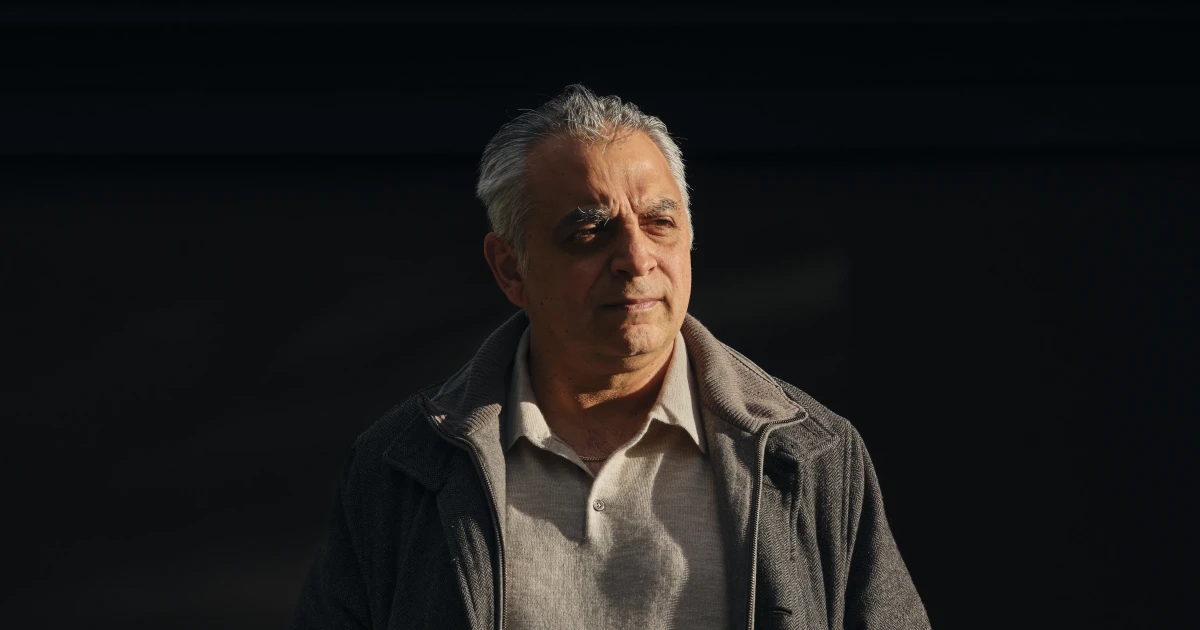
Small Business Owner Sues Unregulated Lender Over $750K Trap
Vahe Shahinian, a Los Angeles concert promoter, is suing a lender after a broker offered a $750,000 line of credit in 2019. He accepted daily payments of $3,600 but never received the full funds. His lawsuit highlights risks in the largely unregulated alternative lending sector, which is the fastest-growing source of small business funding in the US.
Key points
- Vahe Shahinian, a Los Angeles-based concert promoter, is suing a lender over a failed financing deal.
- In 2019, a broker offered a $750,000 line of credit requiring immediate daily repayments of $3,600.
- Shahinian made payments for over 50 days but never received the remaining two-thirds of the credit.
- The case targets the largely unregulated alternative lending industry, now the fastest-growing US small business funding source.
- The lawsuit could set a legal precedent for consumer protection in shadowy financing sectors.
- Shahinian has been in financial distress for seven years following the failed transaction.
The Trap of Alternative Lending
Vahe Shahinian, a concert promoter based in Glendale, California, finds himself back in his parents' home, working from a corner of his teenage bedroom. This living situation marks a stark reversal from his previous success in the Los Angeles entertainment industry. Shahinian is currently engaged in a legal battle against a funding provider, a case that could become one of the first of its kind to reach trial. His story illustrates the dangers inherent in the rapidly expanding sector of alternative business financing.
In 2019, Shahinian’s company was thriving. It operated similarly to a smaller version of major ticketing giants, selling and marketing concert tickets across Los Angeles and beyond. Seeking stability to expand operations, he approached a broker for a line of credit worth $750,000. The broker presented a deal that appeared favorable but contained a critical condition: Shahinian would receive only one-third of the total amount upfront and must begin repaying it immediately through daily installments.
A Seven-Year Nightmare
The terms required Shahinian to pay $3,600 every day. The broker promised that after 30 days of payments, the remaining funds would be released. Shahinian performed the calculations, asked follow-up questions, and ultimately accepted the deal. He began the daily payments as agreed. However, after 30 days, the rest of the money did not arrive. He continued paying for 40 days, then 50, but the full line of credit never materialized.
"From that day," Shahinian stated, "it's been one long day, one long nightmare." For seven years, he has been trapped in this financial limbo. The incident has forced him to return to a domestic setting he had long left behind, highlighting the severe personal and professional consequences of such high-risk financing arrangements. His lawsuit against the funders aims to recover losses and challenge the practices of the lender.
Regulatory Gaps in Fast-Growing Sector
Shahinian’s case shines a light on a shadowy industry that has become the fastest-growing source of funding for small businesses in the United States. This sector operates largely without the strict regulations applied to traditional banks. Lenders in this space often promise quick capital but charge tremendous costs, creating cycles of debt for business owners who need immediate cash flow.
The lack of regulatory oversight allows these firms to structure deals that can ensnare borrowers. Shahinian’s experience is not an isolated anecdote but a symptom of a broader systemic issue. As small businesses increasingly turn to these alternative sources due to traditional banking hurdles, the potential for predatory practices grows. The industry's rapid expansion has outpaced the development of consumer protections, leaving many entrepreneurs vulnerable.
Legal Precedent and Future Implications
The upcoming trial of Shahinian’s case is significant because it may establish early legal precedents for how such financing agreements are viewed in court. If the court rules in his favor, it could signal increased scrutiny for alternative lenders. Conversely, a loss might reinforce the current legal landscape where such contracts are treated as binding business agreements, regardless of the outcome.
Analysts note that as this sector continues to grow, regulatory bodies may be forced to intervene. The case underscores the need for transparency in lending terms and the verification of fund disbursement. For now, Shahinian remains in limbo, his business stalled and his personal life disrupted by a financial trap that promised growth but delivered ruin. His story serves as a cautionary tale for entrepreneurs navigating the complex world of small business financing.
Key takeaways
- Vahe Shahinian, a Los Angeles concert promoter, is suing a lender over a failed $750,000 credit deal.
- He paid $3,600 daily for over 50 days but never received the full loan amount.
- The case highlights risks in the largely unregulated alternative lending sector.
- This sector is now the fastest-growing source of small business funding in the US.
- The trial could set legal precedents for consumer protection in alternative finance.
- Shahinian has faced financial and personal distress for seven years since the 2019 deal.
Sources
The WireByte editorial team synthesises technology news from multiple primary sources, verifies the facts, and links every source. Articles are produced with AI assistance and reviewed under our editorial policy.