NYT Strands November 27, 2026: Theme and Spangram Revealed
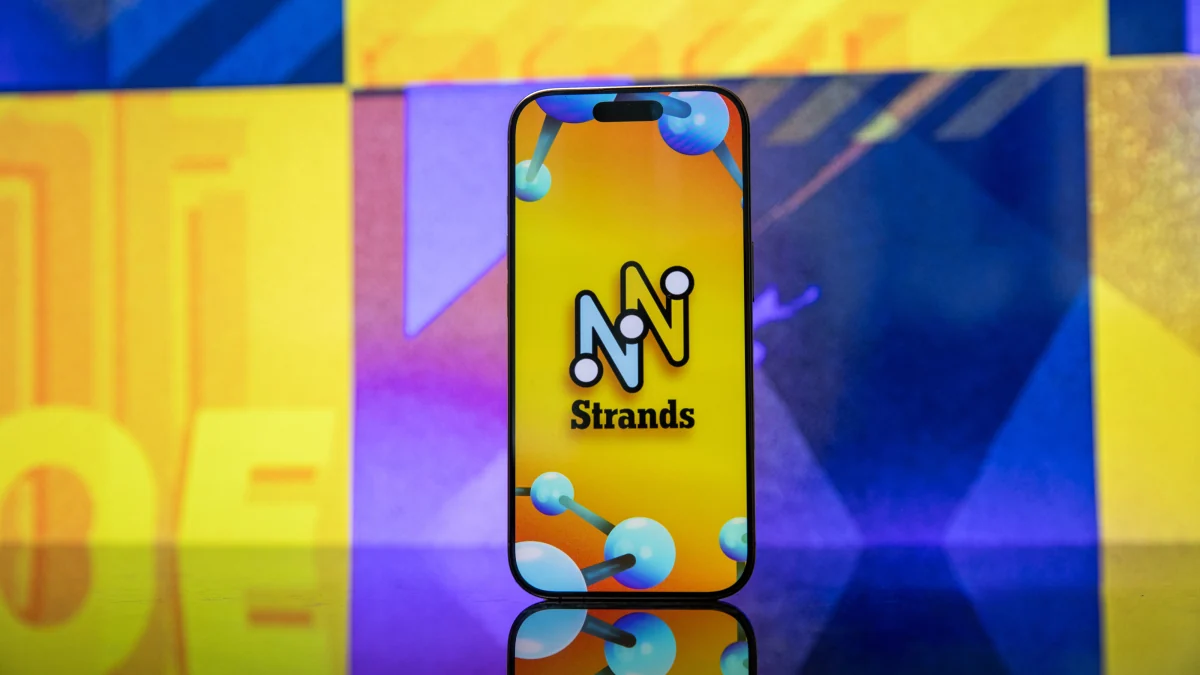
The New York Times Strands puzzle for November 27, 2026, features a theme centered on relaxation and taking breaks. The horizontal spangram is 'Time,' linking all solution words. The game requires finding words in linked letters, with every grid letter used. This daily word-search variant challenges players with directional changes and thematic connections.
Key points
- The New York Times Strands game, a word-search variant where every letter is used, released its daily puzzle on November 27, 2026.
- The day's theme focuses on relaxation, with solution words describing the act of taking a break.
- The horizontal spangram, which spans the entire grid and summarizes the theme, is the word 'Time'.
- Players must find words by linking letters horizontally, vertically, or diagonally, allowing for direction changes within words.
- The puzzle design ensures that no letters are left unused, creating a complete grid coverage challenge.
Daily Word-Search Challenge
The New York Times has released its daily Strands puzzle for November 27, 2026, continuing the popular word-search format that has gained significant traction among digital puzzle enthusiasts. Strands distinguishes itself from traditional word searches by requiring players to utilize every single letter in the grid, ensuring complete coverage. This constraint adds a layer of complexity that demands careful planning and strategic word placement, as leaving any letter unused results in an incomplete solution.
Theme and Spangram Details
For today's edition, the central theme revolves around relaxation and the concept of taking a break. Players are tasked with identifying words that describe the act of resting or stepping away from daily activities. A key feature of Strands is the spangram, a special word or phrase that spans the entire grid either horizontally or vertically. In this instance, the spangram is the word "Time," which horizontally connects the theme of relaxation to the passage of moments dedicated to rest. The spangram serves as a critical clue, helping players anchor their search within the grid.
Gameplay Mechanics
Strands employs a unique mechanic where words can be formed by linking letters in multiple directions, including up, down, left, right, and diagonally. Unlike standard word searches, words in Strands can change direction, resulting in quirky shapes and patterns that players must navigate. This flexibility allows for more dynamic word placement but also increases the cognitive load, as players must track potential paths that bend and turn. The game does not provide a word list, forcing players to rely on their vocabulary and pattern recognition skills to discover the hidden words.
Strategic Approach
Given the requirement to use every letter, players are advised to prioritize rest and mental clarity when tackling the puzzle. The game is designed to take slightly longer than other New York Times digital games like Wordle or Connections, offering a more immersive experience. Hints are available for those who feel stuck or lack the time to dedicate to the puzzle. For example, hints indicate that the theme relates to taking leave and that the spangram is horizontal. These clues can help players progress at their preferred pace without compromising the integrity of the game.
Market Context
The release of daily Strands puzzles has become a routine event for subscribers of The New York Times digital platform. The game's popularity stems from its blend of simplicity and challenge, appealing to a broad audience of word puzzle fans. While the specific words for November 27, 2026, are not listed here, the thematic focus on relaxation provides a clear direction for solvers. The puzzle's design encourages players to engage with the grid in a methodical manner, ensuring that each letter contributes to the overall solution.
Key takeaways
- The New York Times Strands puzzle for November 27, 2026, features a theme of relaxation and taking breaks.
- The horizontal spangram for the day is the word "Time," which summarizes the theme.
- Players must use every letter in the grid, with words allowed to change direction during formation.
- The game does not provide a word list, requiring players to deduce words from the theme and grid.
- Hints are available to assist players who are stuck or short on time, indicating the spangram's orientation and theme.
- Strands offers a more complex word-search experience compared to other New York Times digital games like Wordle.
Sources
The WireByte editorial team synthesises technology news from multiple primary sources, verifies the facts, and links every source. Articles are produced with AI assistance and reviewed under our editorial policy.