Nvidia Reinstates Jensen Huang Amid Political Pressure and Congressional Scrutiny
Nvidia has reinstated founder Jensen Huang as CEO eleven days after his resignation over extramarital affairs and alleged chip smuggling ties. While Huang denies political influence, reports indicate President Trump pressured the board. Huang must now testify before U.S. congressional committees regarding national security concerns, marking a critical juncture for the AI giant's governance and global supply chain compliance.
Key points
- Nvidia founder Jensen Huang was reinstated as CEO on November 23, just eleven days after resigning amid scandals involving extramarital affairs and ties to a firm under investigation for smuggling AI chips to China.
- Huang admitted to the board during a November 22 meeting that he had additional affairs beyond the initially reported ones, expressing contrition as the board evaluated his return.
- Reports indicate President Donald Trump actively pressured the Nvidia board and industry leaders to reinstate Huang, though Huang later told staff these political claims were 'completely untrue.'
- U.S. House and Senate committees have scheduled hearings for Huang and General Counsel Tim Teter in early December to investigate the mass smuggling of export-controlled Nvidia products for Chinese military use.
- The reinstatement follows a significant drop in Nvidia's stock price and market volatility, raising concerns about the stability of the AI sector and the company's leadership continuity.
Nvidia has officially reinstated founder and CEO Jensen Huang, ending a brief but turbulent period of leadership uncertainty that began with his resignation on November 12. The decision, announced on November 23, comes just eleven days after Huang stepped down amid revelations of extramarital affairs and his connection to Megaspeed, a customer under criminal investigation for allegedly smuggling export-controlled Nvidia AI chips into China. The board’s unanimous vote to bring Huang back has sparked intense debate regarding the intersection of corporate governance, national security, and political influence in the technology sector.
According to reports, the path to reinstatement involved a lengthy deliberation process. During a meeting on November 22, Huang appeared before the board to discuss his potential return. Sources indicate that Huang confessed to having additional extramarital affairs beyond the two already known to the company, which involved an alleged Chinese spy and an Nvidia employee. He reportedly expressed contrition for his behavior. The board emphasized the importance of candor, particularly after one affair involved an internal employee, before agreeing that his return was in the best interest of the company.
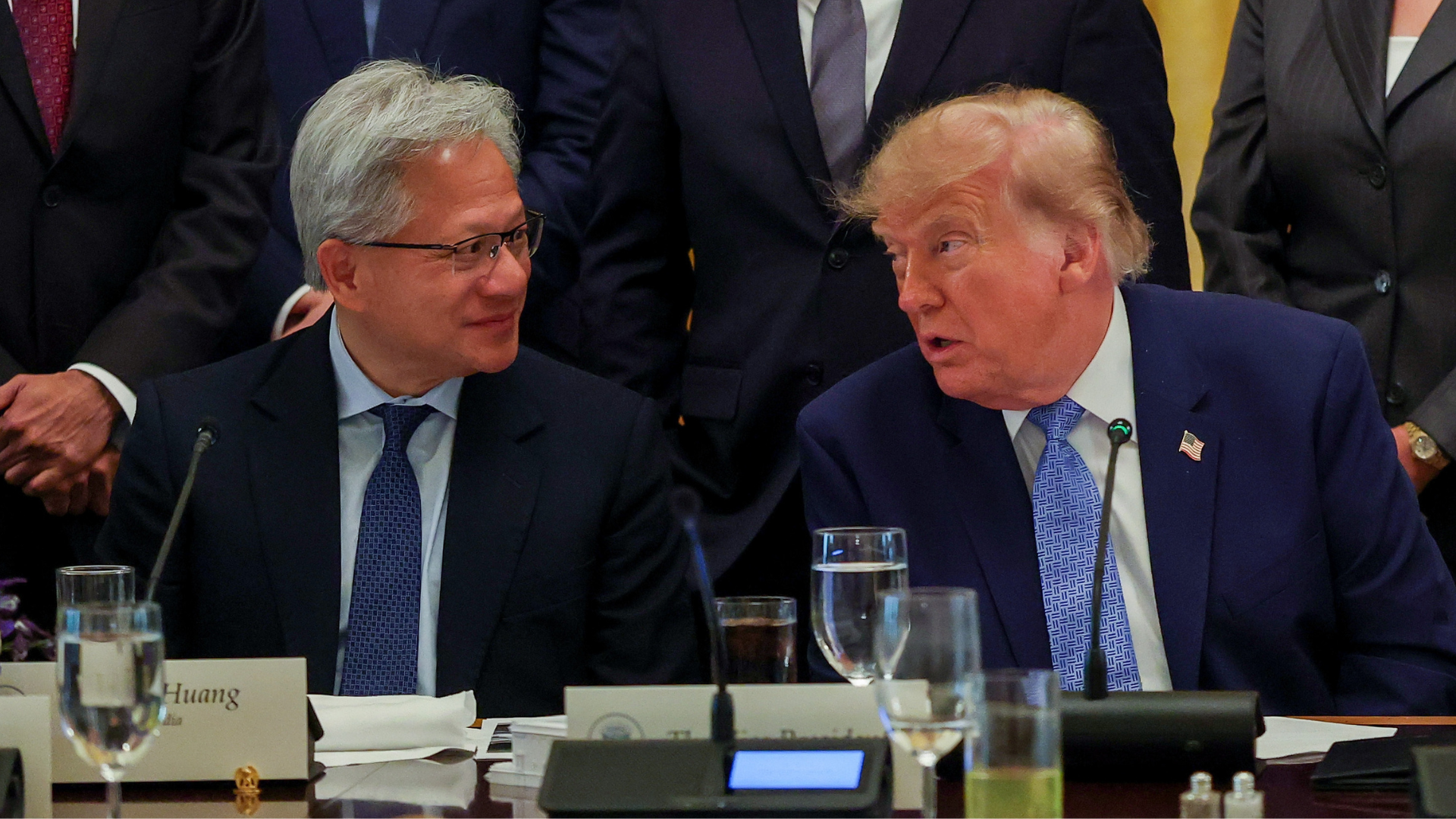
The circumstances surrounding the reinstatement have drawn significant political attention. Reports suggest that President Donald Trump, alongside Vice President JD Vance and various cabinet members, actively pressured the Nvidia board and industry insiders to bring Huang back. Trump publicly stated he had spoken to the board directly and indirectly, expressing strong support for Huang’s return. However, during his first all-hands meeting with staff since returning, Huang attempted to distance himself from these narratives. He described claims of political involvement as 'completely untrue,' asserting that the company is apolitical and that his return was based on a full evaluation of the situation and assurances from the government that he posed no national security threat.
Despite Huang’s denials, legislative scrutiny is intensifying. Members of the U.S. House of Representatives and the Senate have indicated that Huang must still testify before congressional committees. The Select Committee on China has scheduled a transcribed interview with Huang for December 1, followed by a session with General Counsel Tim Teter on December 2. Additionally, Bloomberg reports that Huang is expected to testify before the Senate Committee on Banking, Housing, and Urban Affairs on December 3. Lawmakers are focused on the mass smuggling of Nvidia products and their diversion for Chinese military purposes, arguing that the board’s internal investigation does not erase national security concerns.
The fallout from the initial scandal had severe market implications. Nvidia’s stock price suffered significant losses when the affairs were first reported and declined further following Huang’s resignation. The potential loss of its founder and leader raised broader concerns about the stability of the AI industry and the potential for an 'AI bubble' to pop. The rapid reinstatement of Huang was seen by some as a move to stabilize the market and prevent economic catastrophe, given Nvidia’s pivotal role in the global AI supply chain.
Huang’s return also highlights the complex ethical and legal challenges facing tech executives. The involvement of Megaspeed, a company now under criminal investigation, underscores the risks associated with export controls and international trade. The ongoing congressional investigations will likely shape the future regulatory landscape for semiconductor companies, particularly those with significant operations in or ties to China.
As Nvidia moves forward, the company faces the task of restoring trust among investors, employees, and regulators. The board’s decision to reinstate Huang, despite the controversies, signals a prioritization of leadership continuity and market stability. However, the upcoming congressional hearings will test the company’s compliance measures and the extent of Huang’s personal accountability.
The situation remains fluid, with multiple investigations underway. The outcome of these hearings could have lasting implications for Nvidia’s corporate governance and its relationships with government bodies. For now, Huang is back at the helm, tasked with navigating the aftermath of the scandal and leading the company through a period of heightened scrutiny.
Key takeaways
- Nvidia reinstated Jensen Huang as CEO on November 23, ending an 11-day leadership vacuum.
- Huang admitted to additional affairs during board meetings, expressing contrition for his actions.
- President Trump reportedly pressured the board to reinstate Huang, a claim Huang denies.
- Huang and General Counsel Tim Teter will testify before congressional committees in early December.
- The scandal caused significant market volatility, raising concerns about Nvidia's stability and the AI sector.
Sources
The WireByte editorial team synthesises technology news from multiple primary sources, verifies the facts, and links every source. Articles are produced with AI assistance and reviewed under our editorial policy.