Motorola's Latest Android Update Sparks Criticism Over iOS-Like Design Choices
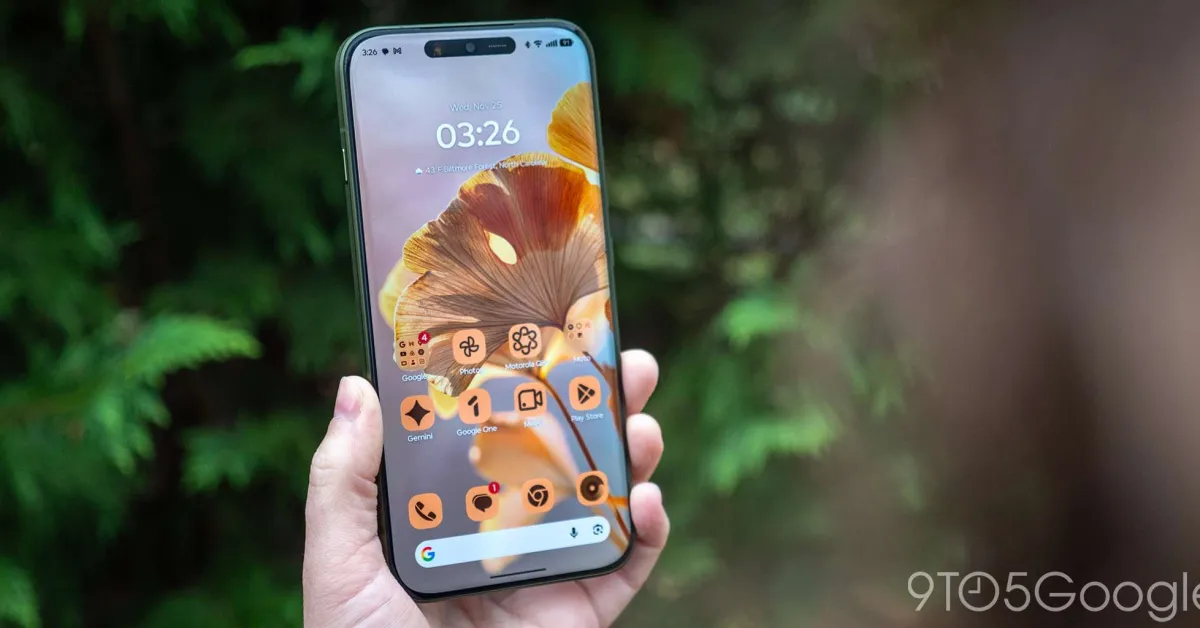
Motorola's recent software update has drawn criticism for adopting iOS-like interface elements, continuing a trend where Android manufacturers increasingly mimic Apple's design language. This shift has sparked debate among tech enthusiasts about the loss of Android's unique identity and the homogenization of smartphone user experiences across different platforms.
Key points
- Motorola, a major Android smartphone manufacturer, has released a software update that incorporates design elements previously associated with Apple's iOS.
- The update includes interface changes that closely resemble iOS features, such as notification handling and app drawer modifications.
- Tech critics and users have expressed concern that this move blurs the distinction between Android and iOS, reducing platform diversity.
- The trend reflects a broader industry shift where Android OEMs are adopting iOS-like designs to appeal to users familiar with Apple's ecosystem.
- This development raises questions about the future uniqueness of the Android platform and its ability to differentiate itself from iOS.
Android's Identity Crisis Deepens
The ongoing debate about the growing similarity between Android and iOS has reached a new peak with Motorola's latest software update. Tech enthusiasts and critics alike have pointed out that the update introduces several interface elements that are strikingly similar to those found in Apple's operating system. This move has reignited discussions about the potential loss of Android's unique identity in the smartphone market.
A Trend of Imitation
This is not the first time an Android manufacturer has been accused of copying iOS design elements. Over the past few years, several major Android brands have introduced features that closely mirror those found in iOS. From notification handling to app drawer modifications, the lines between the two platforms have become increasingly blurred. Motorola's latest update is seen as another step in this direction, with users noting the similarities in user interface design.
User Reaction and Criticism
The reaction to Motorola's update has been mixed, with many users expressing disappointment. Critics argue that the move undermines the diversity that has historically been a key selling point of Android. "It feels like Android is losing its soul," one user commented on a tech forum. Others have pointed out that while the changes may make the transition for iOS users easier, they do little to enhance the overall user experience.
Industry Implications
The trend of Android manufacturers adopting iOS-like designs has broader implications for the smartphone industry. It raises questions about the future of platform differentiation and the ability of Android to maintain its unique identity. As more brands follow suit, the risk of homogenization increases, potentially reducing the choices available to consumers. This could have long-term effects on the competitive landscape of the smartphone market.
The Future of Android
Despite the criticism, Motorola and other Android manufacturers may argue that these changes are necessary to keep up with user expectations and market trends. However, the challenge for Android remains to innovate and offer a distinct experience that sets it apart from iOS. As the industry continues to evolve, the balance between familiarity and uniqueness will be crucial in determining the success of Android in the long run.
Key takeaways
- Motorola's latest software update introduces iOS-like design elements, sparking criticism from tech enthusiasts.
- The trend of Android manufacturers copying iOS design features has been ongoing, raising concerns about platform homogenization.
- User reaction has been mixed, with many expressing disappointment over the loss of Android's unique identity.
- The broader industry implications include potential reduced diversity in smartphone user experiences and market competition.
- The challenge for Android remains to innovate and maintain its distinct identity in the face of increasing similarities with iOS.
Sources
The WireByte editorial team synthesises technology news from multiple primary sources, verifies the facts, and links every source. Articles are produced with AI assistance and reviewed under our editorial policy.