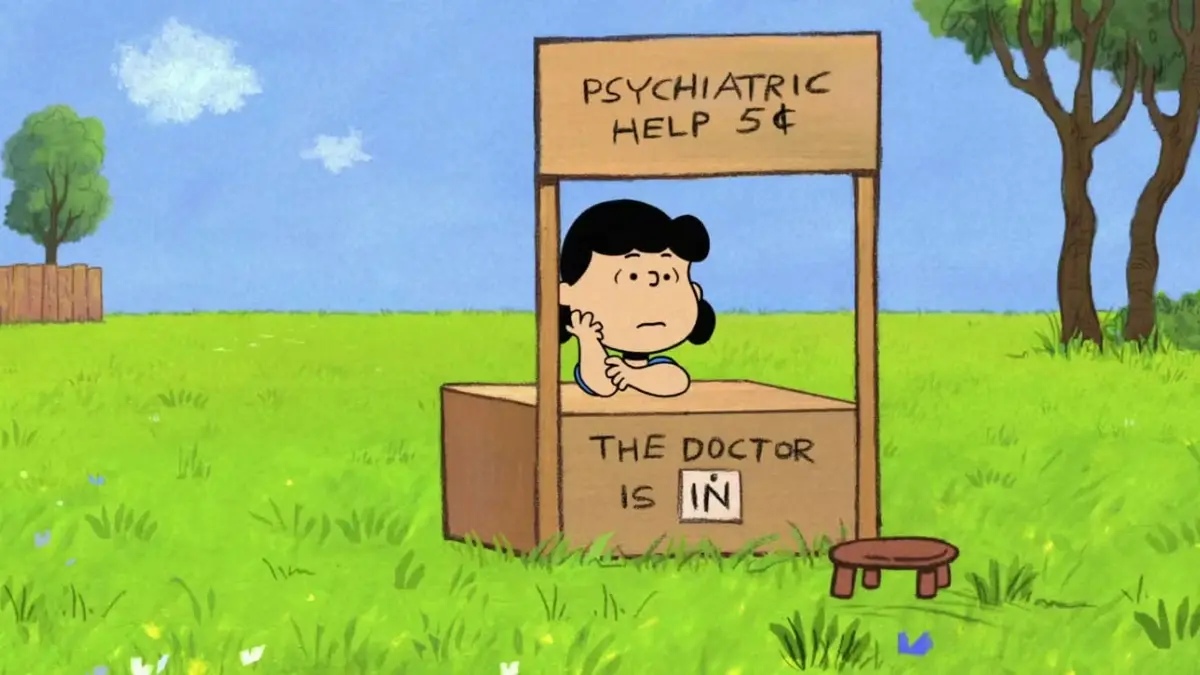
Lucy Van Pelt's 1971 Quote Resurfaces as Dark Comedy Classic
Fifty-one years after its debut, a sarcastic remark by Peanuts character Lucy Van Pelt has gained renewed attention as a masterpiece of dark humor. The 1971 comic strip panel highlights Lucy’s role as the series’ primary antagonist, contrasting her consistent meanness with the passive tolerance of Charlie Brown and Linus. This retrospective analysis underscores the enduring cultural impact of Charles Schulz’s character dynamics.
Key points
- Lucy Van Pelt, the primary antagonist in Charles Schulz's Peanuts, is recognized for her consistent antagonism and bullying behavior throughout the series.
- A specific comic strip panel from January 3, 1971, features a sarcastic quote that is now being celebrated as a 'forgotten masterpiece' of dark humor.
- The 51-year-old quote highlights the comedic engine of Lucy’s meanness, which contrasts with the stoic or passive reactions of characters like Charlie Brown and Linus.
- Charles Schulz initially expressed a personal dislike for the character of Lucy, yet she became one of the most memorable and defining figures in the comic's history.
- The resurgence of interest in this quote underscores the enduring legacy of Peanuts and the complex, often cruel, interpersonal dynamics established by Schulz.
The Enduring Antagonist of Peanuts
Fifty-one years after its original publication, a specific comic strip featuring Lucy Van Pelt has emerged as a focal point for discussions on dark humor within the Peanuts universe. While the series is often remembered for its gentle melancholy and whimsical charm, Lucy Van Pelt served as its most consistent source of conflict. Unlike traditional villains, Lucy’s antagonism was not rooted in malice but in a relentless, often absurd, pursuit of dominance and control. Her interactions with the other characters provided a comedic counterweight to the series' more serene moments, establishing her as an essential component of the narrative structure.
A 1971 Panel Revisited
The specific strip in question, dated January 3, 1971, showcases Lucy’s signature brand of sarcasm and emotional manipulation. In this panel, Lucy delivers a remark that has been retrospectively analyzed as a 'forgotten masterpiece' of the series. The quote exemplifies her ability to deliver devastating blows with a casual demeanor, a trait that has resonated with readers decades later. The panel’s resurgence in cultural conversation highlights how Schulz’s writing often contained layers of cynicism that were easily overlooked in favor of the strip’s broader themes of childhood innocence.
Character Dynamics and Tolerance
Lucy’s role as the antagonist was defined by the reactions of those around her. Charlie Brown, the series’ protagonist, absorbed her abuse with characteristic passivity, treating her cruelty as just another in a long line of indignities. Linus, her brother, typically responded with stoic indifference, refusing to engage with her provocations. Schroeder, another central character, often attempted to ignore her entirely, focusing instead on his piano. This dynamic allowed Lucy to operate without significant pushback, reinforcing her position as the unchallenged force of chaos in the Peanuts world.
Schulz’s Personal View
Despite Lucy’s popularity and narrative importance, Charles Schulz reportedly did not personally favor the character. Early in the series’ run, Schulz expressed a dislike for Lucy, viewing her as a difficult figure to write. However, her complexity and the comedic potential of her interactions with the other characters ensured her place in the strip. Schulz’s initial reluctance contrasts with the character’s enduring legacy, demonstrating how a writer’s personal preferences can be overridden by the organic development of a narrative.
Cultural Impact and Legacy
The renewed interest in Lucy’s 1971 quote underscores the enduring relevance of Peanuts. The strip’s exploration of human nature, through the lens of childhood, continues to resonate with modern audiences. Lucy’s character, in particular, serves as a timeless example of how humor can be derived from interpersonal conflict and emotional vulnerability. Her ability to deliver sharp, sarcastic remarks remains a hallmark of the series, contributing to its status as a cultural touchstone.
Conclusion
As Peanuts continues to be studied and celebrated, the specific elements that made it unique are coming into sharper focus. Lucy Van Pelt’s 1971 quote, once a minor moment in a long-running strip, is now recognized as a significant example of Schulz’s writing. Her character’s impact on the series and on popular culture at large is undeniable, ensuring that her legacy will endure for generations to come. The interplay between her antagonism and the tolerance of her peers remains a key element of the strip’s enduring appeal.
Key takeaways
Lucy Van Pelt is the primary antagonist in Peanuts, known for her consistent meanness and bullying.
A 1971 comic strip featuring Lucy is now celebrated as a masterpiece of dark humor.
The quote highlights the comedic contrast between Lucy’s aggression and the passivity of other characters.
Charles Schulz initially disliked Lucy, but she became a defining character of the series.
The resurgence of interest in the quote underscores the enduring cultural impact of Peanuts.
Sources
The WireByte editorial team synthesises technology news from multiple primary sources, verifies the facts, and links every source. Articles are produced with AI assistance and reviewed under our editorial policy.