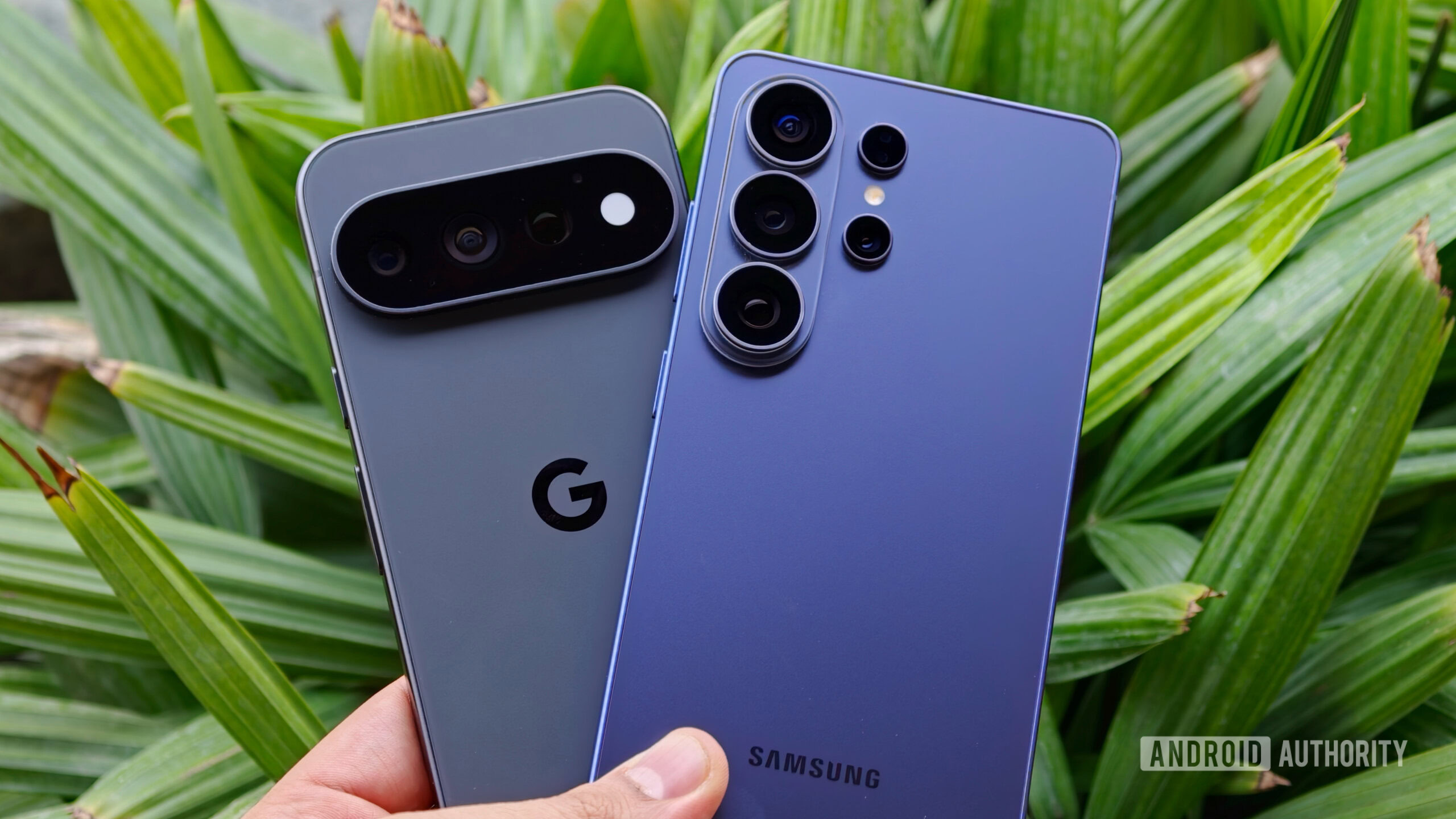
Leaks Suggest Samsung Galaxy S27 Ultra May Drop Laser Autofocus
New leaks indicate the Samsung Galaxy S27 Ultra may omit the laser autofocus module, a feature present since the Galaxy S21 Ultra. While the device reportedly gains a main sensor upgrade and improved zoom, the potential removal of laser AF marks a significant hardware change. Analysts note this could impact low-light photography performance, though Samsung has not confirmed the specifications.
Key points
- Samsung, the South Korean electronics giant, is reportedly developing the Galaxy S27 Ultra flagship smartphone.
- Leaker Ice Universe suggests the device may remove the laser autofocus module, a component used for rapid subject locking.
- The Galaxy S27 Ultra is expected to feature a main camera sensor upgrade, a better selfie camera, and a 5x zoom lens.
- The potential removal of laser AF would mark the first time an S Ultra model lacks this feature since the Galaxy S21 Ultra in 2021.
- The omission is reportedly linked to a new camera layout design previously leaked by the same source.
- No official confirmation has been provided by Samsung regarding the final camera specifications or hardware changes.
Potential Hardware Reductions in Upcoming Flagship
Recent reports indicate that Samsung’s upcoming Galaxy S27 Ultra may undergo a notable reduction in camera hardware capabilities, specifically regarding its autofocus system. According to leaks attributed to well-known tech leaker Ice Universe, the device is expected to drop the laser autofocus module. This component, also known as laser AF, utilizes a dedicated sensor to help the camera quickly lock focus on subjects, particularly in challenging lighting conditions. If accurate, this change would represent a significant departure from recent flagship trends.
Historical Context of Autofocus Technology
The absence of laser autofocus in the S27 Ultra would be a historic shift for Samsung’s premium smartphone line. The feature has been a staple of the Galaxy S Ultra series for several generations. The last known S Ultra model to lack this specific hardware component was the Galaxy S21 Ultra, released in 2021. The return of laser AF in subsequent models, including the S22, S23, S24, and S25 series, was widely regarded as a key differentiator for professional-grade photography on mobile devices. Its potential removal in the S27 Ultra suggests a strategic shift in Samsung’s imaging hardware approach.
Conflicting Upgrade Signals
While the potential loss of laser autofocus raises concerns among photography enthusiasts, other leaked specifications suggest the S27 Ultra will still receive meaningful camera upgrades. Reports indicate the device will feature an upgraded main camera sensor, which typically improves overall image quality, dynamic range, and low-light performance. Additionally, the leaks point to improvements in the front-facing selfie camera and the inclusion of a 5x zoom lens. These enhancements imply that Samsung aims to maintain or improve imaging capabilities through different technological means, despite the removal of the laser module.
Design Changes Driving Hardware Shifts
The potential omission of the laser autofocus module appears to be connected to a redesigned camera layout on the Galaxy S27 Ultra. Ice Universe, who first reported the new camera arrangement, suggests that the physical space or structural requirements for the laser sensor may no longer be compatible with the new design. This aligns with broader industry trends where manufacturers are optimizing internal component placement to accommodate larger sensors, better cooling systems, or slimmer profiles. The new layout was previously leaked, indicating that the design phase is well underway.
Market Context and Consumer Impact
The Galaxy S27 Ultra is positioned as a premium flagship device, competing directly with other high-end smartphones from Apple, Google, and other Android manufacturers. The removal of a specialized hardware feature like laser autofocus could influence consumer perception, particularly among photography-focused users who rely on quick and accurate focusing in various environments. However, software-based autofocus improvements and advancements in computational photography may mitigate the impact of this hardware change. Samsung has not yet confirmed these specifications, leaving the final product details open to speculation.
Industry Reaction and Future Implications
Tech analysts and enthusiasts are closely monitoring these leaks, as they provide early insight into Samsung’s engineering priorities. The debate over laser autofocus versus software-based solutions reflects a broader industry conversation about the role of dedicated hardware in mobile photography. If Samsung proceeds with the removal of the laser module, it may signal a shift toward relying more heavily on AI and machine learning for focus accuracy. This could set a precedent for future smartphone designs, potentially influencing competitors to adopt similar strategies.
Unconfirmed Reports and Official Silence
It is crucial to note that these details remain unconfirmed by Samsung. Leaks, while often accurate, can sometimes be speculative or based on early prototypes that may change before mass production. Samsung typically releases official specifications closer to the device’s launch date. Consumers and industry watchers should treat these reports as preliminary information until the company provides official confirmation. The final camera configuration will depend on various factors, including supply chain availability, cost considerations, and final design decisions.
Key takeaways
- Samsung’s Galaxy S27 Ultra may omit the laser autofocus module, a feature absent since the Galaxy S21 Ultra.
- Leaker Ice Universe attributes the potential removal to a new camera layout design for the device.
- The S27 Ultra is still expected to receive a main sensor upgrade, improved selfie camera, and 5x zoom lens.
- Laser autofocus helps cameras quickly lock focus on subjects, and its removal could impact low-light performance.
- No official confirmation from Samsung exists regarding these hardware changes or specifications.
- The move may reflect a broader industry shift toward software-based autofocus and computational photography solutions.
Sources
The WireByte editorial team synthesises technology news from multiple primary sources, verifies the facts, and links every source. Articles are produced with AI assistance and reviewed under our editorial policy.