Apple Launches Black Friday Event with Gift Cards, No Direct Discounts
Apple has initiated its annual Black Friday Shopping Event, offering gift cards up to $300 with eligible purchases instead of direct price cuts. The promotion, running through November 30, includes discounts on items like the MacBook Air and AirPods Pro 3. However, latest devices such as the iPhone 18 Pro are excluded from the offer, marking a shift from traditional cash savings seen at competitors.
Key points
- Apple, the global technology giant, has launched its Black Friday Shopping Event, offering gift cards rather than direct price reductions on eligible hardware.
- Customers can receive gift cards worth up to $300, specifically with the purchase of a fully configured MacBook Pro, while other items like the MacBook Air offer smaller card values.
- The promotion includes specific price reductions for items such as AirPods Pro 3 at $149 and Apple Watch Series 12 from $299, valid through November 30 at 11:59 p.m. PT.
- Apple explicitly excludes its newest products from the event, including the iPhone 18 Pro, iPhone Duo, and the newly released MacBook Pro with PROLED display.
- Unlike competitor Amazon which offers direct cash savings, Apple’s gift cards cannot be applied to the initial purchase but must be used for future transactions on hardware or services.
- The event is available in the United States and other international markets, with the final day of the promotion set for the end of November.
Apple’s Annual Promotion Strategy Shifts to Gift Cards
Apple has officially commenced its annual Black Friday Shopping Event, marking a significant departure from the direct cash discounts typically associated with the holiday shopping season. The tech giant’s promotion, which is currently active in the United States and various other international markets, focuses on providing customers with Apple gift cards rather than immediate price reductions on eligible products. This strategy contrasts sharply with competitors like Amazon, where shoppers are currently securing more lucrative cash savings on similar electronics.
The core mechanic of the event involves receiving a gift card upon the purchase of specific hardware. The maximum value a customer can earn is $300, which is tied to the purchase of a fully configured MacBook Pro. For other eligible devices, the gift card values are lower, though specific amounts for mid-tier items were not fully detailed in the initial release. Notably, these gift cards cannot be applied to the purchase price of the item being bought at the time of transaction. Instead, they serve as credit for future purchases, encompassing future hardware, services such as Apple Music and Apple TV, and items from the Apple Store.
Eligible Products and Specific Pricing
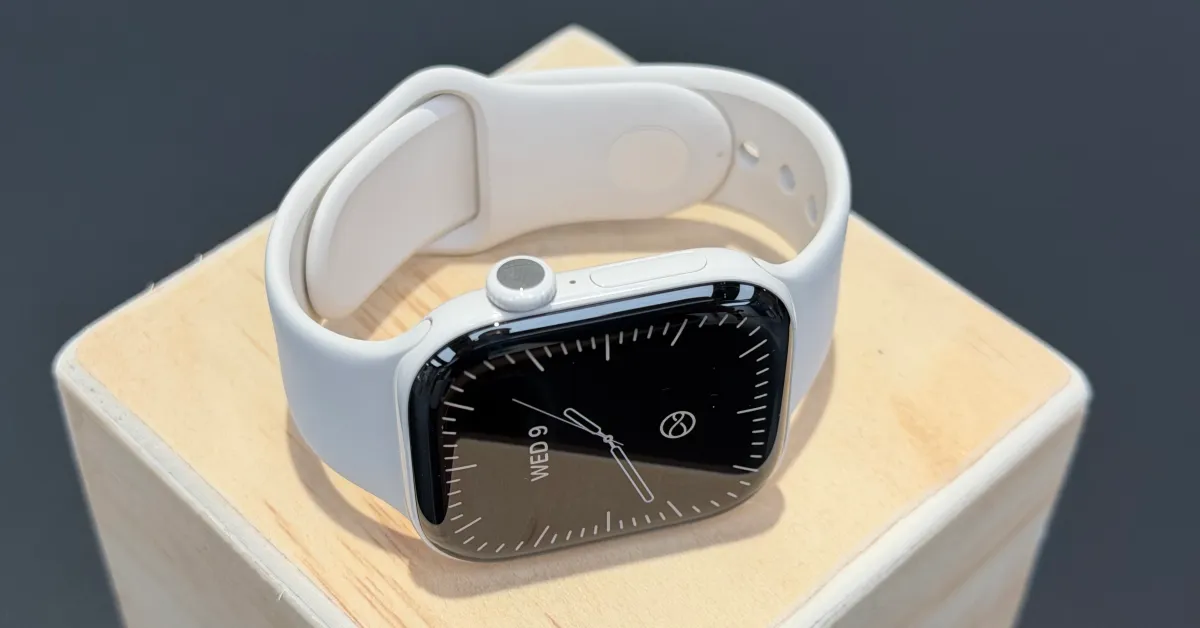
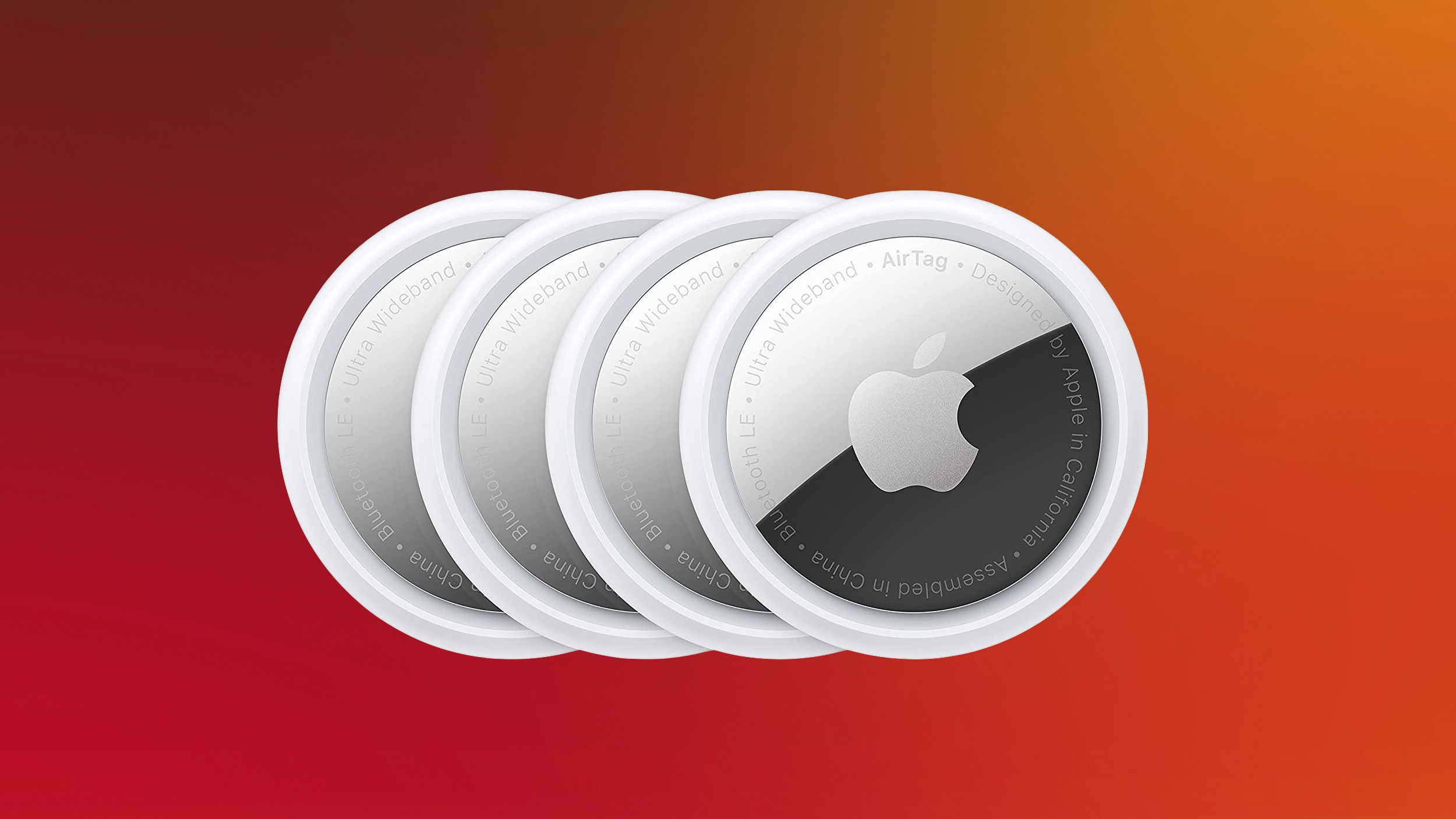
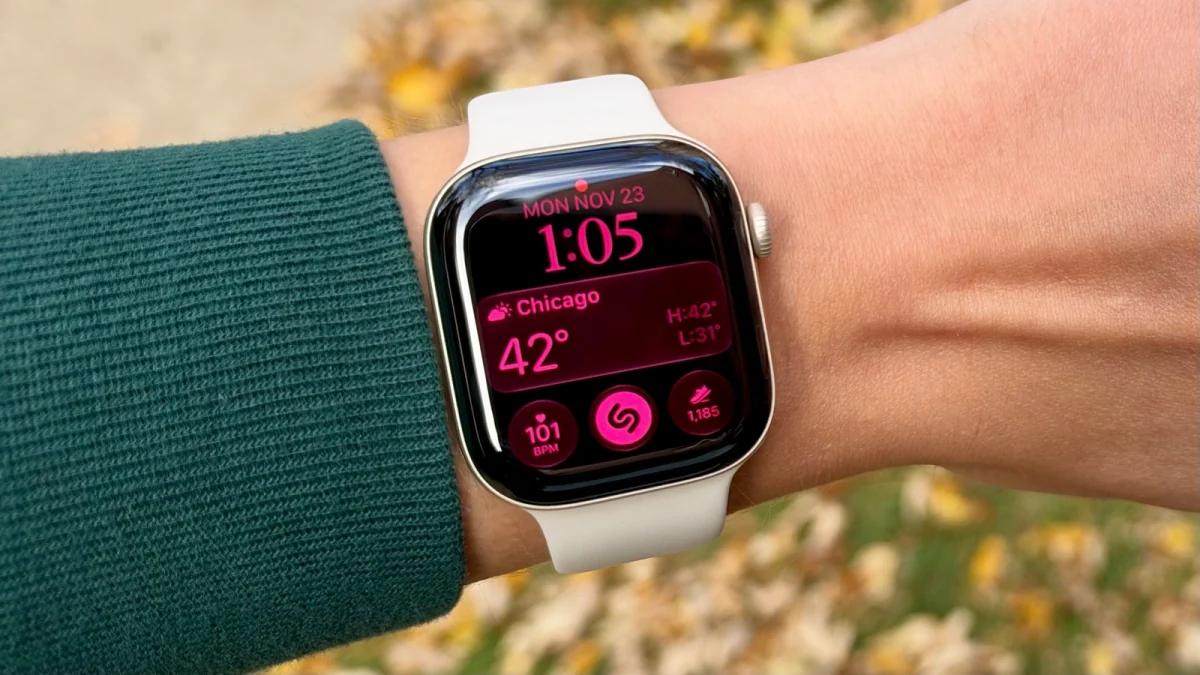
Despite the lack of direct price cuts, several products have seen their listed prices reduced or are bundled with the gift card offer. Highlights from the promotion include the AirPods Pro 3, now available for $149, down from the regular price of $249. The Apple Watch Series 12 is offered starting at $299, a reduction from its standard $399 price point. Additionally, the Apple Studio Display is priced at $1,399, down from $1,599, and single AirTag 2 units are available for $18, reduced from $29.
The MacBook Air line also features prominently in the event, with discounts of up to $400 off the M5 MacBook Air models. These price adjustments represent the tangible savings available to consumers, albeit structured differently than the straightforward markdowns seen elsewhere in the retail sector. The promotion covers a wide array of Apple’s ecosystem, aiming to drive sales across its hardware and services portfolio during the critical holiday period.
Exclusions and Latest Technology
A notable aspect of Apple’s Black Friday strategy is the exclusion of its newest products from the discount event. The company has explicitly stated that the latest releases are not eligible for the gift card promotion. This includes the iPhone 18 Pro, the iPhone Duo, the MacBook Pro equipped with the new PROLED display, the HomeView device, and the fourth-generation Apple TV 4K. This exclusion suggests that Apple maintains premium pricing for its cutting-edge technology, reserving discounts for older or mid-cycle inventory.
This approach may influence consumer behavior, potentially delaying purchases of the latest iPhone or MacBook models until future promotional periods. Analysts often view this as a way to protect the brand’s premium positioning and ensure that early adopters pay full price for the most advanced features. The exclusion of these high-demand items highlights a selective approach to the holiday sale, focusing on volume sales of established products rather than the newest innovations.
Event Duration and Global Availability
The Black Friday Shopping Event is scheduled to run from the current date through November 30 at 11:59 p.m. Pacific Time. This timeframe provides consumers with nearly a month to take advantage of the offers, extending beyond the traditional Black Friday weekend. The promotion is available in the United States and other countries, though specific regional variations in pricing and eligible products may apply.
As the event progresses, it will be interesting to see how consumer response compares to previous years. The shift towards gift cards rather than direct discounts may appeal to loyal customers who plan to make future purchases, but it could deter those seeking immediate savings. The tech industry continues to watch closely to see if this strategy impacts Apple’s holiday sales figures and how competitors adjust their own promotional tactics in response.
Key takeaways
Apple’s Black Friday event offers gift cards up to $300 instead of direct cash discounts on eligible products.
The promotion runs through November 30 at 11:59 p.m. PT in the US and other international markets.
Latest devices including the iPhone 18 Pro and MacBook Pro with PROLED are excluded from the event.
Eligible items include the AirPods Pro 3 at $149 and the Apple Watch Series 12 from $299.
Gift cards must be used for future purchases and cannot be applied to the initial transaction.
The strategy contrasts with competitors like Amazon, which offer direct price reductions.
Sources
The WireByte editorial team synthesises technology news from multiple primary sources, verifies the facts, and links every source. Articles are produced with AI assistance and reviewed under our editorial policy.