Apple Captures 57% US Smartphone Share as Rivals Lose Ground
Apple’s US smartphone market share rose to 57% in Q3 2026, defying a 9% industry-wide shipment decline. Rising memory costs squeezed Android rivals, particularly Motorola, while Samsung maintained its position. Apple remained the sole major manufacturer to avoid volume drops, highlighting its resilience amid global supply chain pressures.
Key points
- Apple increased its US smartphone market share from 50% to 57% in the third quarter of 2026.
- Total US smartphone shipments fell 9% year-over-year, with Apple being the only major manufacturer to avoid a decline.
- Rising memory costs disproportionately impacted low-end Android manufacturers, squeezing thin profit margins.
- Motorola’s market share dropped four points to 8%, reversing previous growth, while Samsung held steady at 25%.
- Google’s Pixel 11 launch failed to prevent a slight decline in its market share during the quarter.
- Carriers reported a 4% year-over-year decline in smartphone sales, with weak Q4 sales expected as consumers delay purchases.
Apple Defies Market Decline with Record Share
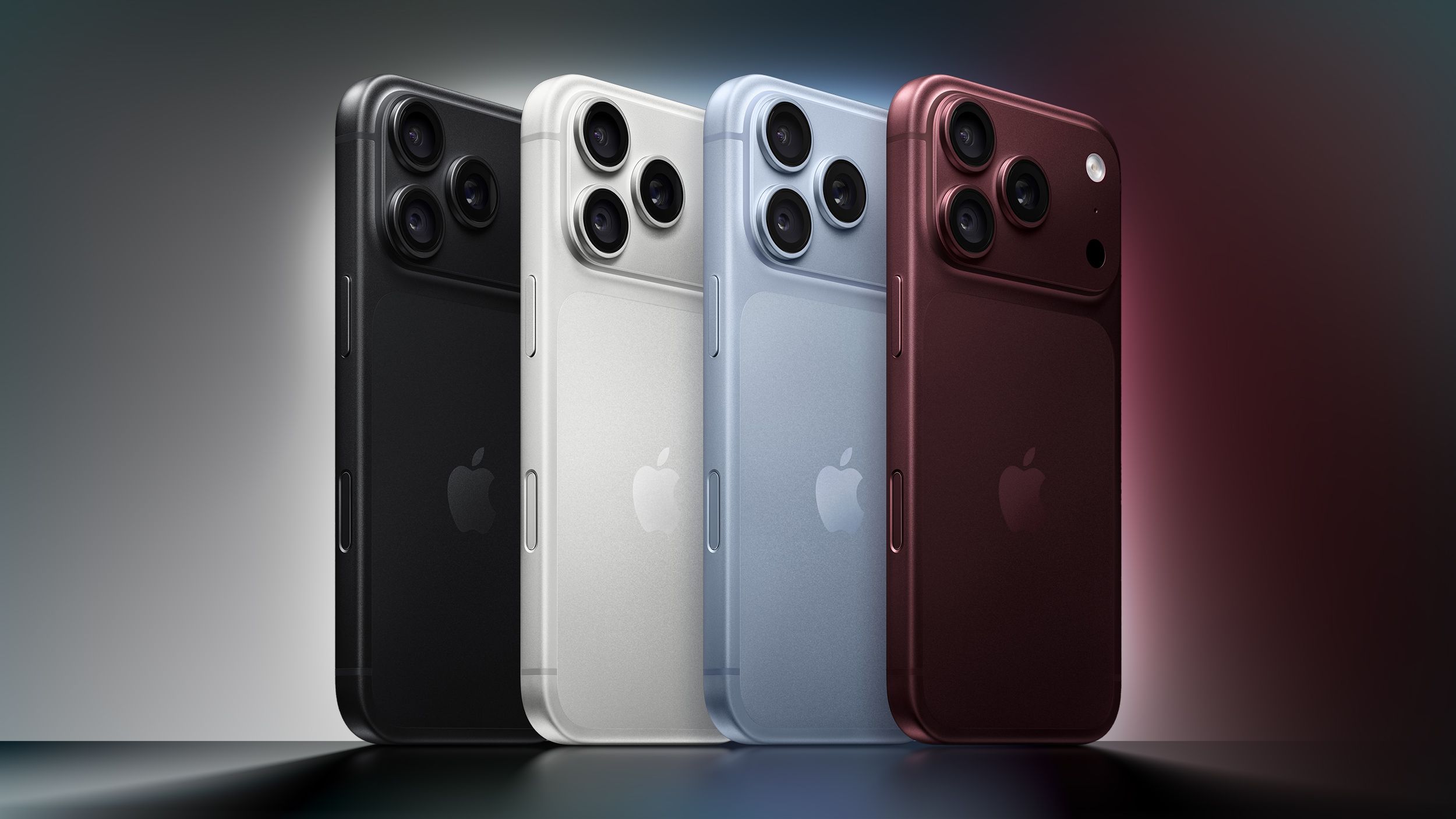
Apple has significantly expanded its dominance in the United States smartphone market, capturing 57% of the market share in the third quarter of 2026. This growth marks a substantial increase from the 50% share held in the previous year, according to the latest U.S. Market Monitor data released by Counterpoint Research. The tech giant’s performance stands in stark contrast to the broader industry, which experienced a 9% year-over-year decline in total smartphone shipments during the same period. Apple was the only major manufacturer to avoid a drop in shipment volume, underscoring its unique resilience in a contracting market.
Supply Chain Pressures Hit Android Rivals Hardest
The primary driver behind the shifting market dynamics appears to be rising memory costs, which have severely impacted Android manufacturers. Counterpoint Research attributes the wider market decline to these escalating component prices, which have hit low-end Android devices the hardest. Manufacturers operating on thin margins have had little room to absorb these higher costs without either raising prices or cutting production volumes. This pressure has created a divergence in performance between premium and budget-oriented brands, with Apple’s high-margin ecosystem allowing it to weather the storm more effectively than its competitors.
Motorola and Google Face Significant Setbacks
Among the major competitors, Motorola suffered the most significant losses. Its market share fell by four percentage points to 8%, effectively reversing the growth it had achieved in the second quarter. This decline is largely attributed to the squeeze on its large low-end lineup, where rising memory costs made it difficult to maintain competitive pricing or volume. Meanwhile, Google’s recent launch of the Pixel 11 did not generate sufficient momentum to prevent a slight decline in its market share. The underwhelming performance of the new device suggests that consumer interest in mid-range Android options remains fragile amid economic uncertainty.
Samsung Maintains Ground Through Flagship Strength
In contrast to its peers, Samsung managed to hold its position, maintaining a 25% market share, up one point year-over-year. The South Korean giant’s stability is credited to the strong performance of its flagship Galaxy S and Z series devices, as well as its enduring low-end Galaxy A-series. Samsung’s ability to leverage its diverse portfolio allowed it to offset weaknesses in specific segments, demonstrating the advantage of a broad product range in a volatile market. However, even Samsung’s success is viewed as a defensive move rather than aggressive growth in an overall shrinking market.
Consumer Behavior Shifts Impact Future Sales
The retail landscape reflects these supply-side challenges, with smartphone sales at the Big Three carriers declining 4% year-over-year in the third quarter. Counterpoint Research expects weak sales to continue into the fourth quarter, as consumers increasingly time their purchases around the best available deals. This hesitation indicates a broader trend of cautious spending, where buyers are delaying upgrades or seeking discounts rather than committing to full-price purchases. The shift in consumer behavior suggests that the market may remain sluggish in the near term, with manufacturers needing to adapt their strategies to retain customers.
Global Implications and Market Outlook
The divergence in market share between Apple and its Android rivals has global implications, as similar trends have been observed in other regions. Counterpoint’s global third-quarter data showed Apple gaining share in a shrinking smartphone market worldwide, reinforcing its position as a safe haven for consumers and investors alike. As memory costs continue to fluctuate, the pressure on low-end manufacturers is likely to persist, potentially leading to further consolidation in the Android ecosystem. The coming months will be critical for determining whether Apple can sustain its momentum or if broader economic factors will eventually impact its growth trajectory.
Key takeaways
- Apple’s US smartphone market share rose to 57% in Q3 2026, up from 50% the previous year.
- Total US smartphone shipments declined 9% year-over-year, with Apple being the only major manufacturer to avoid a drop.
- Rising memory costs disproportionately impacted low-end Android manufacturers, squeezing profit margins and reducing volumes.
- Motorola’s market share fell four points to 8%, reversing previous growth, while Samsung held steady at 25%.
- Google’s Pixel 11 launch failed to prevent a slight decline in its market share during the quarter.
- Carriers reported a 4% year-over-year decline in smartphone sales, with weak Q4 sales expected as consumers delay purchases.
Sources
The WireByte editorial team synthesises technology news from multiple primary sources, verifies the facts, and links every source. Articles are produced with AI assistance and reviewed under our editorial policy.